TL;DR – The Recovery Essentials
Muscle recovery isn't magic—it's science. Your body repairs and rebuilds muscle fibres after training, but it needs the right fuel to do it properly. The big five recovery drivers are protein (amino acids for repair), creatine (ATP energy production), electrolyte hydration (fluid balance and muscle function), magnesium (nervous system and muscle relaxation), and sleep (where the real magic happens). Stack these together with smart nutrition timing, and you're looking at faster gains, less soreness, and better performance next session. It's not complicated—just consistent execution of the basics.
What Is Muscle Recovery & Why It Actually Matters
Let's be real: the workout is just the stimulus. Recovery is where your muscles actually grow.

When you hit the gym, you're creating micro-tears in muscle fibres. Your body's job is to repair those tears and rebuild them stronger.
But here's the thing—if you don't give your body the right nutrients and conditions, that repair process stalls. You'll feel sore longer, your strength gains plateau, and you'll be more prone to injury.
Muscle recovery is the process your body uses to:
- Repair damaged muscle fibres
- Replenish energy stores (glycogen and ATP)
- Restore electrolyte and fluid balance
- Reduce inflammation
- Rebuild stronger muscle tissue
The better your recovery, the faster you can train again, the more volume you can handle, and the better your results. It's not just about feeling less sore—it's about performance and progress.
The 5 Pillars of Muscle Recovery

Recovery isn't one-dimensional. It's a combination of factors working together. Here are the five key pillars:
1. Protein & Amino Acids – The Building Blocks
Your muscles are made of protein. After training, your muscles are primed to absorb amino acids and rebuild stronger. This is why post-workout protein is non-negotiable.

Why it matters:
- Amino acids (especially leucine, isoleucine, and valine) trigger muscle protein synthesis
- Your body can't repair muscle without adequate protein intake
- Post-workout timing matters—your muscles are most receptive within 30-60 minutes after training
The science: Research shows that consuming 20-40g of protein post-workout optimises muscle repair. Quality matters too—complete proteins with all nine essential amino acids are your best bet.
Want the full breakdown? Check out our complete guide to post-workout recovery nutrition.
2. Creatine – ATP Energy Production
Creatine is one of the most researched supplements in sports nutrition, and the evidence is solid: it works.
Why it matters:
- Creatine helps your muscles produce ATP (the energy currency of your cells)
- More ATP = more strength, power, and endurance during training
- Better training performance = better recovery stimulus
- Creatine also supports muscle hydration and reduces fatigue
The science: Creatine monohydrate increases phosphocreatine stores in muscle, which speeds up ATP regeneration. This means you can do more reps, lift heavier, and train longer—all of which drive better recovery and growth.
Want the full breakdown? Check out our complete guide to creatine for muscle recovery.
3. Electrolyte Hydration – Fluid Balance & Muscle Function
You lose electrolytes (sodium, potassium, magnesium, calcium) through sweat. Plain water alone won't restore them.

Why it matters:
- Electrolytes regulate muscle contraction and nerve signalling
- Proper hydration supports nutrient delivery to muscles
- Electrolyte imbalance can cause cramps, weakness, and poor recovery
- Your muscles need fluid to function and repair
The science: Electrolytes control fluid balance inside and outside cells. Without them, your muscles can't contract properly, and nutrient absorption suffers. This is why sports drinks exist—but you want clean formulas without artificial junk.
Want the full breakdown? Check out our complete guide to electrolyte hydration for recovery.
4. Magnesium – Nervous System & Muscle Relaxation

Magnesium is the recovery mineral most people overlook.
Why it matters:
- Magnesium supports muscle relaxation and reduces cramps
- It regulates your nervous system (helping you shift from "fight or flight" to "rest and digest")
- Magnesium is essential for energy production and protein synthesis
- It's crucial for sleep quality—and sleep is where recovery happens
The science: Magnesium is a cofactor in over 300 enzymatic reactions in your body, including muscle contraction and ATP production. Low magnesium = poor sleep, muscle tension, and slower recovery.
Want the full breakdown? Check out our complete guide to magnesium for muscle recovery and sleep.
5. Sleep – Where Recovery Actually Happens
You can nail nutrition and supplements, but if you're not sleeping, you're leaving gains on the table.
Why it matters:
- Growth hormone peaks during deep sleep
- Muscle protein synthesis accelerates during sleep
- Your nervous system resets and recovers
- Inflammation decreases during quality sleep
The science: During sleep, your body increases protein synthesis and decreases protein breakdown. This is when your muscles actually grow. Aim for 7-9 hours of quality sleep per night, and support it with magnesium and good sleep hygiene.
Why Supplements Matter for Recovery
You can't supplement your way out of a bad diet or poor training. But when your nutrition is dialled in, supplements fill the gaps and amplify your results.

Here's the reality: getting enough protein, staying hydrated, and managing electrolytes through food alone is tough—especially if you're training hard. Supplements make it convenient, consistent, and cost-effective.
The right recovery stack should include:
- Protein powder – Easy way to hit your daily protein target
- Creatine monohydrate – Proven to enhance strength, power, and recovery
- Electrolyte hydration – Replenish what you lose through sweat
- Magnesium – Support sleep, muscle function, and nervous system health
These aren't magic pills. They're tools that work with your training and nutrition to accelerate recovery and results.
Building Your Recovery Stack
The best recovery stack is the one you'll actually use consistently. Here's how to build it:
Post-Workout (within 30-60 minutes):
- Protein shake (20-40g protein)
- Electrolyte hydration drink
- Carbs (fruit, rice, oats—whatever fits your diet)
Daily (anytime):
- Creatine monohydrate (5g daily)
- Magnesium (1.6-2g daily, ideally in the evening)
Lifestyle:
- Sleep 7-9 hours per night
- Stay hydrated throughout the day
- Eat whole foods with adequate protein
This isn't complicated. It's just consistent execution of the basics.
The Recovery Timeline: What Happens When
Understanding the recovery timeline helps you time your nutrition and supplements for maximum benefit.
Immediately Post-Workout (0-30 minutes):
- Muscle protein breakdown is elevated
- Your muscles are primed to absorb amino acids
- Glycogen stores are depleted
- Action: Consume protein + carbs + electrolytes
30-60 Minutes Post-Workout:
- Muscle protein synthesis peaks
- Nutrient absorption is optimised
- Action: Complete your post-workout meal if you haven't already
2-4 Hours Post-Workout:
- Muscle protein synthesis remains elevated
- Glycogen replenishment continues
- Action: Eat a balanced meal with protein, carbs, and fats
Evening (6-12 hours post-workout):
- Sleep quality becomes critical
- Magnesium supports relaxation and sleep
- Growth hormone peaks during deep sleep
- Action: Take magnesium, prioritise sleep
24-48 Hours Post-Workout:
- Muscle soreness peaks (DOMS)
- Inflammation is at its highest
- Continued protein synthesis
- Action: Stay hydrated, maintain protein intake, move gently
Common Recovery Mistakes (And How to Avoid Them)
Mistake 1: Skipping Post-Workout Nutrition You trained hard, but then you don't eat for 2 hours. Your muscles miss the optimal window for nutrient absorption. Fix: Have a protein shake ready immediately after training.
Mistake 2: Only Drinking Water Plain water doesn't replace electrolytes lost through sweat. You might feel hydrated, but your muscles aren't getting the minerals they need. Fix: Use an electrolyte hydration drink, especially after intense or long sessions.
Mistake 3: Not Enough Protein You're training hard but only getting 0.6g of protein per kg of bodyweight. Your muscles don't have enough amino acids to repair and grow. Fix: Aim for 1.6-2.2g per kg of bodyweight daily, spread across meals.
Mistake 4: Ignoring Magnesium You're doing everything else right, but you're sleeping poorly and your muscles are tight. Low magnesium is often the culprit. Fix: Supplement with magnesium, especially in the evening.
Mistake 5: Inconsistent Creatine Use You take creatine for 2 weeks, skip it for a month, then start again. Creatine works best with consistent daily use. Fix: Make it part of your daily routine—5g every single day.
Deep Dives: Master Each Recovery Pillar
We've covered the basics. Now let's go deeper into each pillar so you can optimise every aspect of your recovery.

Master Creatine for Strength & Power
Creatine isn't just for bodybuilders. It's one of the most effective supplements for any athlete who wants to improve strength, power, and recovery. Learn how it works, the science behind it, and how to use it effectively.
Read the complete guide to creatine for muscle recovery
Key topics covered:
- How creatine works at the cellular level
- Specific benefits for strength and endurance
- Dosage protocols and timing
- Safety and debunking myths
- How to stack creatine with other supplements
Optimise Post-Workout Nutrition
The 30-60 minutes after your workout is your golden window. Get this right, and everything else works better. Learn the exact protein amounts, hydration timing, and complete recovery shake recipes.
Read the complete guide to post-workout recovery nutrition
Key topics covered:
- Why the post-workout window matters
- Optimal protein intake and timing
- Hydration and electrolyte replacement
- Complete post-workout nutrition formula
- Sample recovery shake recipes
- WPC vs WPI comparison
Unlock Sleep & Recovery with Magnesium
Sleep is where your muscles actually grow. Magnesium is the key to better sleep, less muscle tension, and faster recovery. Learn which form to choose and how to use it effectively.
Read the complete guide to magnesium for muscle recovery and sleep →
Key topics covered:
- How magnesium supports muscle recovery
- Magnesium citrate vs glycinate comparison
- Dosage and timing for optimal results
- How to stack magnesium with other supplements
- Common mistakes and how to avoid them
Master Electrolyte Hydration
Plain water isn't enough. Learn why electrolytes are essential for recovery, what a complete electrolyte profile looks like, and how to hydrate properly during and after training.
Read the complete guide to electrolyte hydration for recovery →
Key topics covered:
- Why plain water doesn't cut it
- The complete electrolyte profile (sodium, potassium, magnesium, calcium)
- Hydration timing and amounts
- Electrolyte hydration vs sports drinks
- How to stack electrolytes with protein and creatine
Your Complete Recovery Arsenal
Recovery is where your training becomes results. You've got the knowledge—now it's time to apply it.

Start with the basics: nail your post-workout nutrition, stay hydrated with electrolytes, support your sleep with magnesium, and use creatine consistently. These four pillars will transform your recovery and accelerate your progress.
Build Your Recovery Stack
Protein for Muscle Repair:
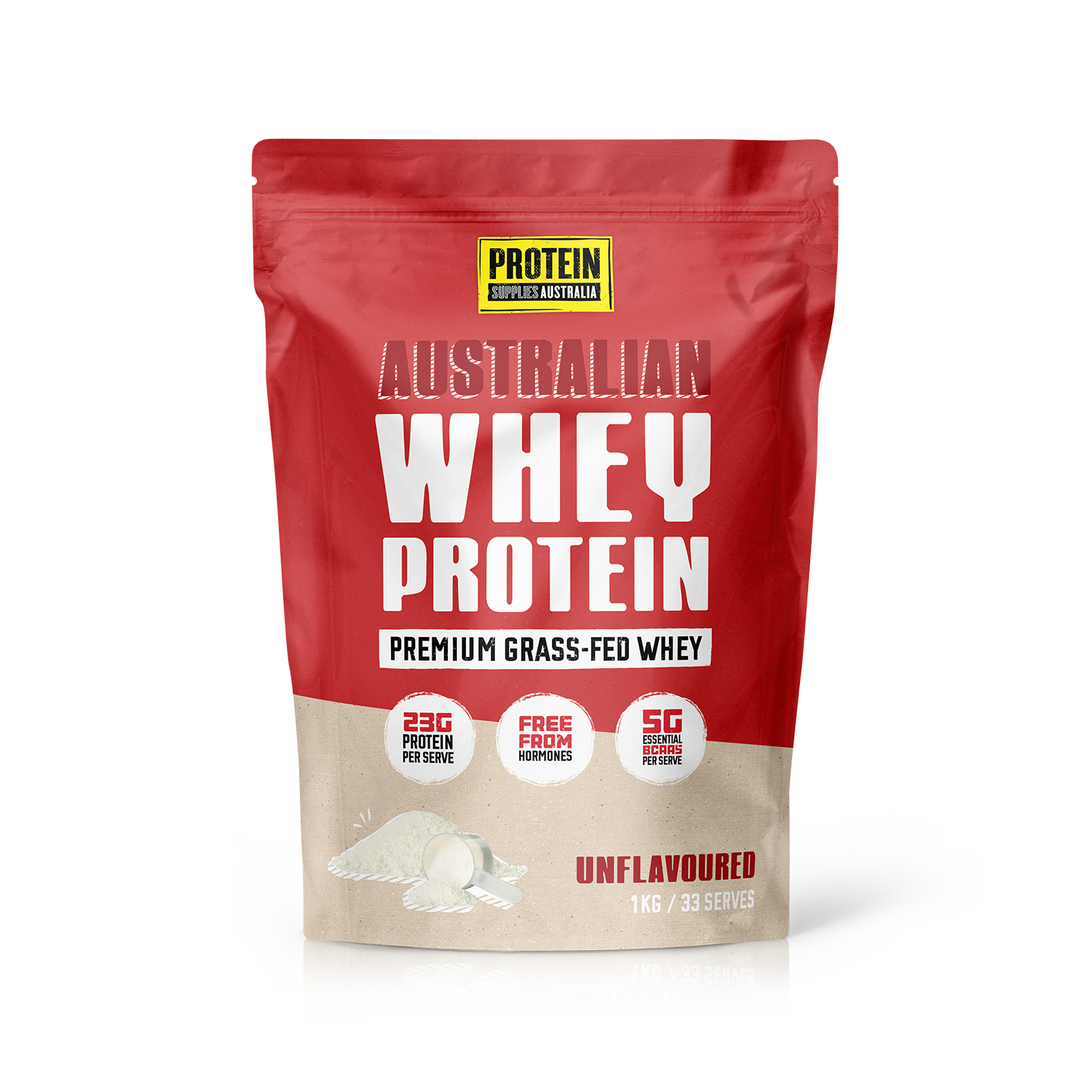
- Shop Whey Protein Concentrate – Fast, Effective Recovery
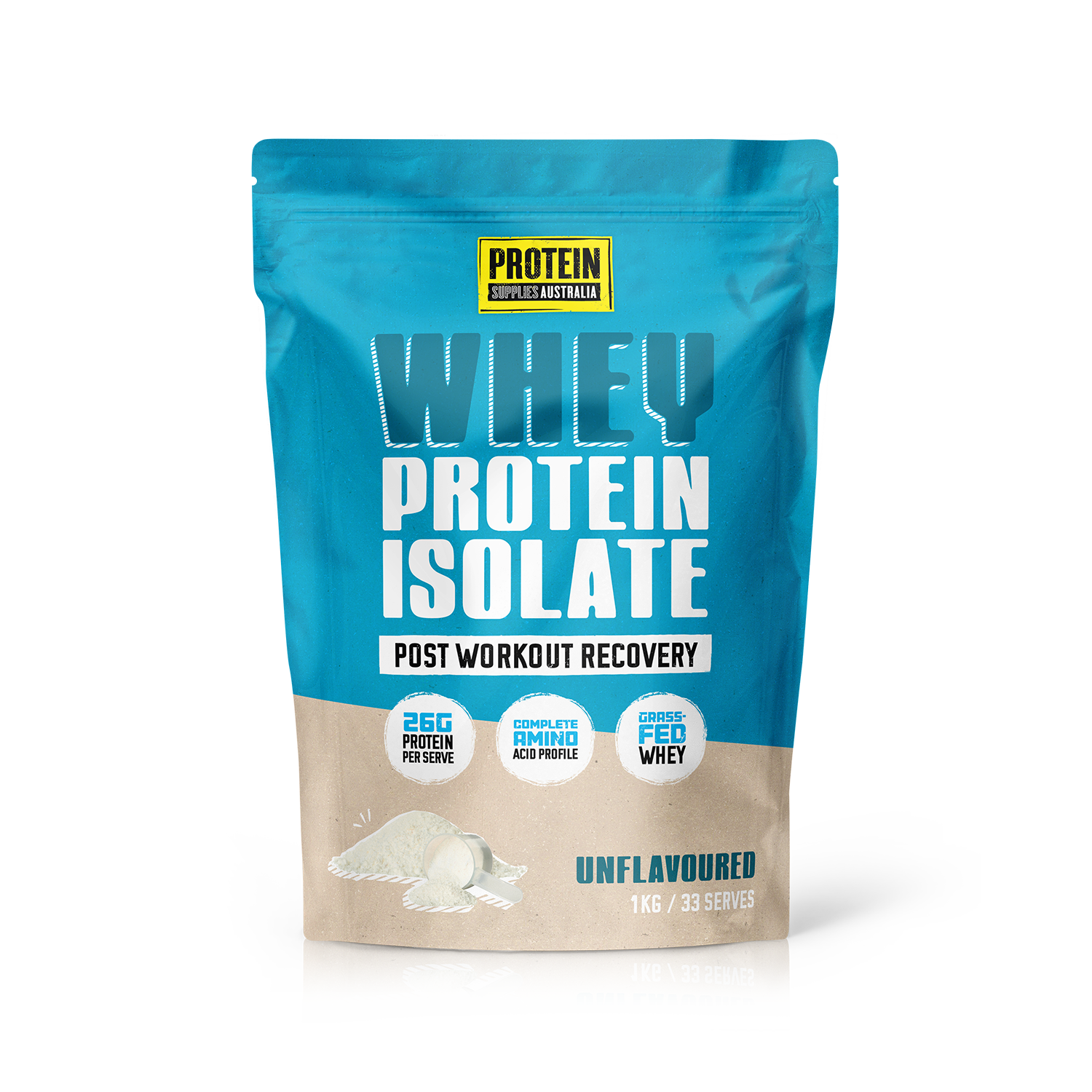
- Upgrade to Whey Protein Isolate – Premium Digestion & Purity
Creatine for Strength & Power:
- Discover Creatine Pure – Micronised for Maximum Absorption
- Upgrade to Creapure® German Creatine – Premium Quality
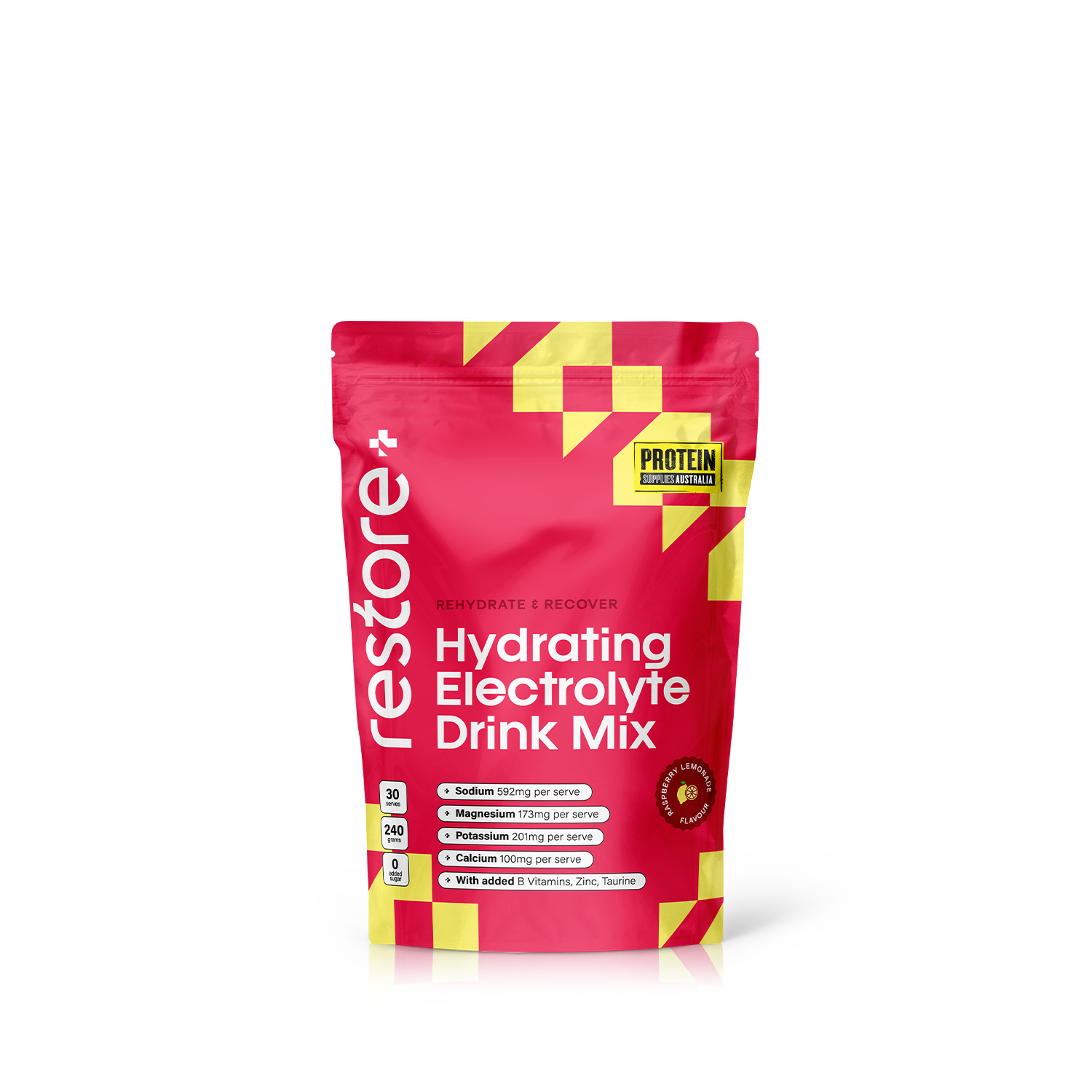
Electrolyte Hydration for Complete Recovery:
- Tropical Twist – Refreshing Tropical Blend
- Raspberry Lemonade – Clean, Fruity Blend
- Strawberry Lime – Bright, Zesty Taste
- Blue Raspberry – Modern, Crisp Flavour
Magnesium for Sleep & Muscle Relaxation:
- Shop Magnesium Citrate Pure – Digestion & Recovery Support
- Upgrade to Magnesium Glycinate Pure – Sleep & Relaxation

Electrolyte Hydration for Faster Muscle Recovery
Birthday Vanilla Whey Protein Cake