
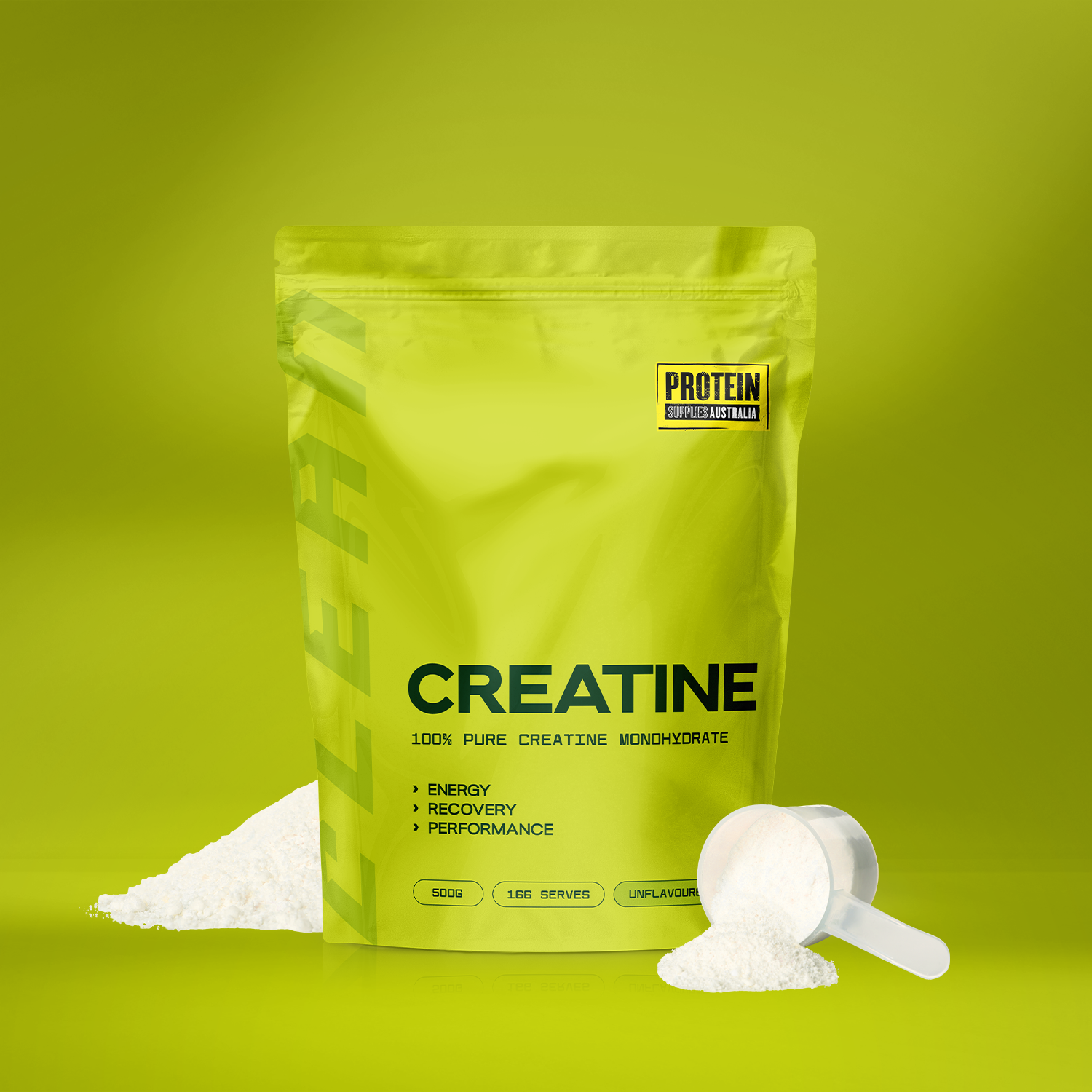
Creatine monohydrate is one of the most researched and effective supplements for muscle recovery and performance. It works by boosting ATP production (your muscles' energy currency), which means more strength, more endurance, and faster recovery between sets.

The science is solid: consistent daily use of 5g creatine can increase strength by 5-15%, improve muscle endurance, and support faster recovery. It's safe, affordable, and works best when stacked with protein and hydration. No loading phase needed—just 5g daily, every day.
What Is Creatine & Why Athletes Actually Use It
Let's cut through the noise: creatine is not a steroid, it's not dangerous, and it's not just for bodybuilders. It's a naturally occurring compound found in meat, fish, and eggs. Your body produces it too—about 1-2g per day.
Creatine monohydrate is the supplement form, and it's been studied more than almost any other sports nutrition product. The evidence? It works. Athletes use it because it delivers measurable results: more strength, more power, better endurance, and faster recovery.
Here's why it matters for recovery:
- It fuels your muscles during training
- Better training performance = better recovery stimulus
- It supports muscle repair and growth
- It reduces fatigue between sets and sessions
Think of creatine as a performance multiplier. You train harder → you recover better → you get better results.
How Creatine Works: The ATP Energy System
To understand why creatine is so effective, you need to understand how your muscles produce energy.

Your muscles use ATP (adenosine triphosphate) as their energy currency. Every muscle contraction, every rep, every sprint—it all runs on ATP. But here's the problem: your muscles can only store enough ATP for about 10-15 seconds of intense effort. After that, you need to regenerate it.
This is where creatine phosphate comes in.
The Energy System Breakdown
Phosphocreatine System (0-10 seconds):
- Your muscles use stored ATP
- Creatine phosphate donates a phosphate group to regenerate ATP
- This is your "explosive power" system
- Lasts about 10-15 seconds
Glycolytic System (10-60 seconds):
- Your muscles break down glucose for ATP
- This produces lactate (the "burn" you feel)
- Lasts about 30-60 seconds
Aerobic System (60+ seconds):
- Your muscles use oxygen to produce ATP
- This is your endurance system
- Can sustain for hours
Where creatine helps: By increasing your phosphocreatine stores, creatine extends the phosphocreatine system. This means:
- More explosive power for longer
- Faster ATP regeneration between reps
- Better performance in the 10-60 second range (perfect for strength training)
- Reduced fatigue and faster recovery between sets
The Science
When you supplement with creatine monohydrate, it increases phosphocreatine stores in your muscles by 10-20%. This might sound small, but it translates to real performance gains: more reps, heavier weight, better endurance.
Creatine Benefits for Muscle Recovery & Performance

Now let's talk about what creatine actually does for you.
1. Reduces Muscle Fatigue & Improves Endurance
Creatine delays fatigue by maintaining ATP levels during intense training. This means you can do more reps, more sets, and train harder before hitting failure.
The benefit: More training volume = better recovery stimulus = faster muscle growth.
Research shows that creatine supplementation can increase the number of reps you can perform by 1-3 reps per set. Over a full workout, that's significant extra volume—and volume is the primary driver of muscle growth.
2. Speeds Up ATP Regeneration
By increasing phosphocreatine stores, creatine helps your muscles regenerate ATP faster between efforts. This is especially important for strength training, where you're doing heavy compound lifts with short rest periods.
The benefit: Faster recovery between sets = more quality reps = better training stimulus.
3. Supports Muscle Hydration
Creatine pulls water into muscle cells, increasing cell volume. This might sound trivial, but it's actually important for recovery.
Why it matters:
- Increased cell volume triggers muscle protein synthesis
- Better hydration supports nutrient transport
- Muscle cells are more responsive to training stimulus
The benefit: Better muscle fullness, improved nutrient delivery, and enhanced recovery signalling.
4. Improves Strength & Power Output
This is where creatine really shines. Multiple studies show that creatine increases maximal strength and power output.
The numbers:
- 5-15% increase in strength
- 5-15% increase in power output
- Effects are most pronounced in the 1-10 rep range (strength training)
The benefit: You can lift heavier, which drives better muscle growth and faster recovery.
5. Enhances Muscle Endurance
Beyond strength, creatine also improves muscular endurance—your ability to perform repeated efforts without fatigue.
The benefit: More reps at higher intensity = better training stimulus = faster recovery and growth.
Creatine vs Other Recovery Supplements: How It Stacks Up
Let's be honest: there are a lot of recovery supplements out there. How does creatine compare?
| Supplement | Primary Benefit | Evidence | Best For |
|---|---|---|---|
| Creatine | ATP energy, strength, power | ⭐⭐⭐⭐⭐ Excellent | Strength training, power, recovery |
| Protein | Amino acids, muscle repair | ⭐⭐⭐⭐⭐ Excellent | Post-workout recovery, daily protein |
| BCAAs | Amino acids, muscle preservation | ⭐⭐⭐ Good | Fasted training, muscle preservation |
| Beta-Alanine | Buffering lactate, endurance | ⭐⭐⭐⭐ Very Good | High-rep training, endurance |
| Magnesium | Sleep, muscle relaxation | ⭐⭐⭐⭐ Very Good | Sleep quality, recovery, relaxation |
| Electrolytes | Hydration, mineral balance | ⭐⭐⭐⭐⭐ Excellent | Post-workout hydration, performance |
The verdict: Creatine is one of the most effective supplements for strength and recovery. It's not a replacement for protein or hydration—it's complementary. The best approach is to use creatine with protein and electrolytes, not instead of them.
Creatine Dosage & How to Take It

This is where a lot of people get confused. Let's keep it simple.
Standard Dosing Protocol
Daily dose: 5g per day (about 1 teaspoon) Timing: Anytime during the day (consistency matters more than timing) Duration: Every single day, year-round No loading phase needed: You don't need to "load" creatine. Just take 5g daily, and after 3-4 weeks, your muscle creatine stores will be saturated.
How to Take It
Option 1: Mix with Water
- Dissolve 5g creatine in 200-300mL of water
- Drink immediately
- Simple and effective
Option 2: Mix with Your Post-Workout Shake
- Add 5g to your protein shake
- Blends easily with flavoured drinks
- Convenient and tasty
Option 3: Mix with Juice
- Creatine dissolves better in juice (due to the sugar)
- Add 5g to 200-300mL of juice
- Effective and palatable
Timing: Does It Matter?
Short answer: Not really. Consistency matters way more than timing.
That said, taking creatine post-workout with carbs and protein might have a slight advantage (due to increased insulin, which helps creatine absorption). But if you forget and take it at breakfast instead, you're not losing anything.
The key: Take 5g every single day. Set a reminder on your phone if you need to.
Safety & Side Effects: Debunking the Myths

Let's address the elephant in the room: Is creatine safe?
Yes. Creatine monohydrate is one of the safest supplements available.
It's been studied for over 30 years. Thousands of studies. Millions of users. The evidence is clear: creatine is safe for healthy adults.
Common Myths (Debunked)
Myth 1: "Creatine damages your kidneys" False. Multiple studies show that creatine doesn't harm kidney function in healthy people. If you have pre-existing kidney issues, consult your doctor—but for healthy athletes, it's safe.
Myth 2: "Creatine causes hair loss" False. There's one study suggesting creatine might increase DHT (a hormone linked to hair loss), but the evidence is weak and not replicated. Millions of people use creatine without hair loss.
Myth 3: "Creatine makes you bloated" Partially true. Creatine pulls water into muscle cells, which can cause a slight increase in body weight (1-2kg). But this is intramuscular water, not subcutaneous bloating. Your muscles look fuller, not puffy.
Myth 4: "You need to cycle creatine" False. You can take creatine continuously without losing effectiveness. No need to cycle on and off.
Myth 5: "Creatine is a steroid" False. Creatine is a naturally occurring compound. It's not a hormone, it doesn't affect testosterone, and it's not banned in sports (except some specific competitions).
Real Side Effects (Minor)
Increased water retention: 1-2kg of intramuscular water (this is good—it supports muscle function) Digestive issues (rare): Some people report mild stomach discomfort if they take too much at once Creatinine levels: Your blood creatinine might increase slightly (this is normal and not harmful)
Bottom line: Creatine is safe, effective, and well-tolerated by the vast majority of people.
Stacking Creatine: Building Your Recovery Stack

Creatine works best when combined with other recovery tools. Here's how to stack it effectively.
Creatine + Protein
Why it works: Creatine boosts ATP energy, protein provides amino acids for repair. Together, they amplify recovery.
How to use:
- Take 5g creatine daily (anytime)
- Consume 1.6-2.2g protein per kg of bodyweight daily
- Post-workout: combine them in a shake (protein + creatine + carbs)
Example post-workout shake:
- 30g whey protein
- 5g creatine
- 1 banana (carbs)
- 200mL water or milk
Creatine + Electrolyte Hydration
Why it works: Creatine pulls water into muscles, electrolytes maintain fluid balance. Together, they optimize hydration and muscle function.
How to use:
- Take 5g creatine daily
- Drink electrolyte hydration during/after training
- Stay hydrated throughout the day
Pro tip: Electrolytes help creatine absorption, so combining them is smart.
Creatine + Magnesium
Why it works: Creatine supports energy production, magnesium supports muscle relaxation and sleep. Together, they optimize both performance and recovery.
How to use:
- Take 5g creatine daily (pre/post-workout)
- Take 1.6-2g magnesium daily (evening, before bed)
- Both support recovery from different angles
The Complete Recovery Stack
If you want to optimise recovery fully:
Daily:
- 5g creatine (anytime)
- 1.6-2g magnesium (evening)
- Adequate protein (1.6-2.2g per kg bodyweight)
- Electrolyte hydration (post-workout)
Post-Workout:
- Protein shake with creatine
- Electrolyte hydration drink
- Carbs (fruit, rice, etc.)
This covers all the bases: energy production, muscle repair, hydration, and sleep support.
Creatine Pure vs Creapure German Creatine: Which One?
Both are excellent creatine monohydrate products. Here's how they compare:
| Feature | Creatine Pure | Creapure German Creatine |
|---|---|---|
| Source | Micronised creatine monohydrate | Creapure® (German-made, premium) |
| Purity | 100% creatine monohydrate | 100% Creapure® monohydrate |
| Micronisation | Yes (better absorption) | Yes (premium micronisation) |
| Dosage | 5g daily | 3g daily (more concentrated) |
| Taste | Unflavoured, neutral | Unflavoured, clean |
| Best For | Value + quality | Premium quality seekers |
| Vegan/GF | Yes | Yes |
The Real Difference
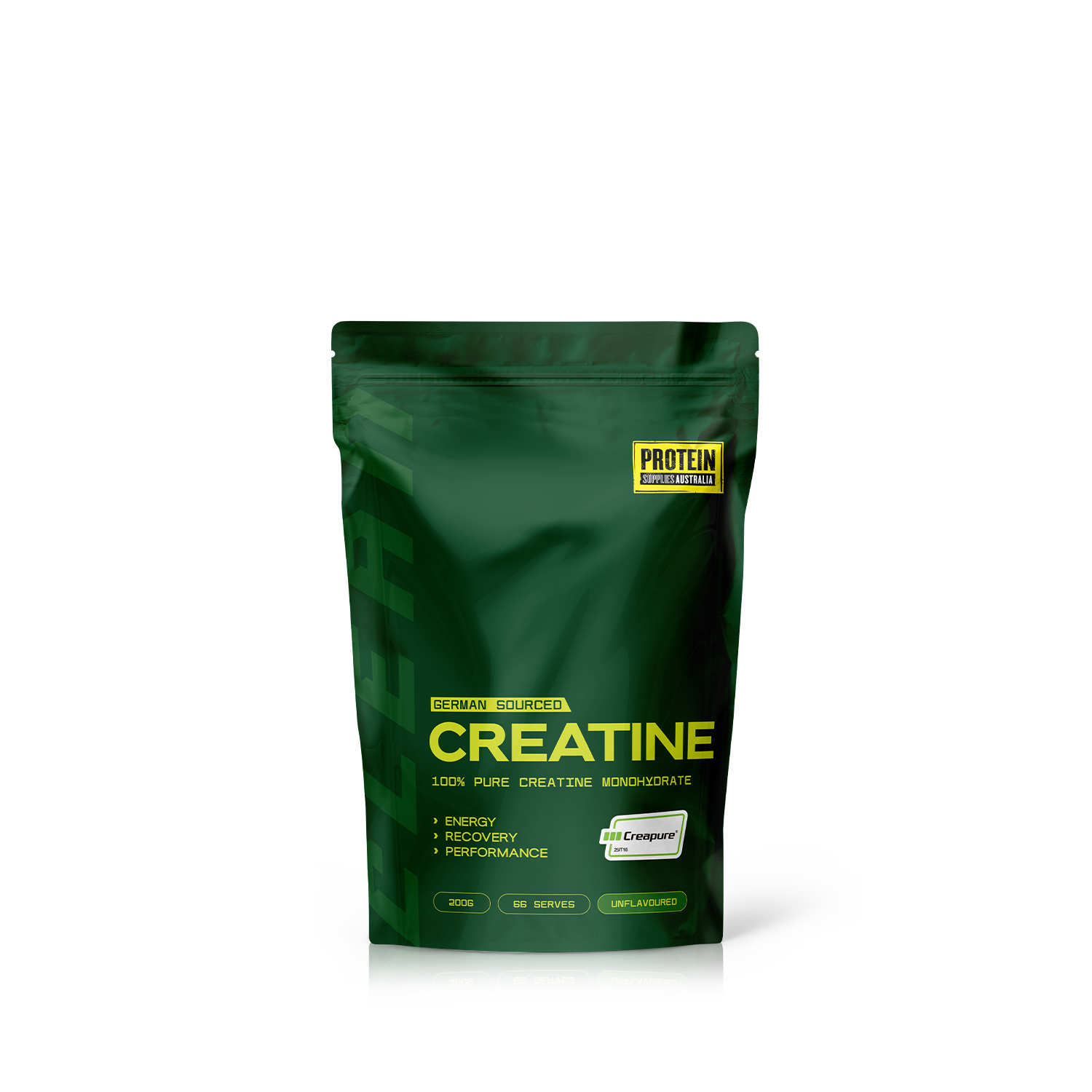
Creapure® is a branded form of creatine monohydrate made in Germany. It's recognized globally for its purity and quality. The main advantage? It's more concentrated, so you only need 3g per day instead of 5g.
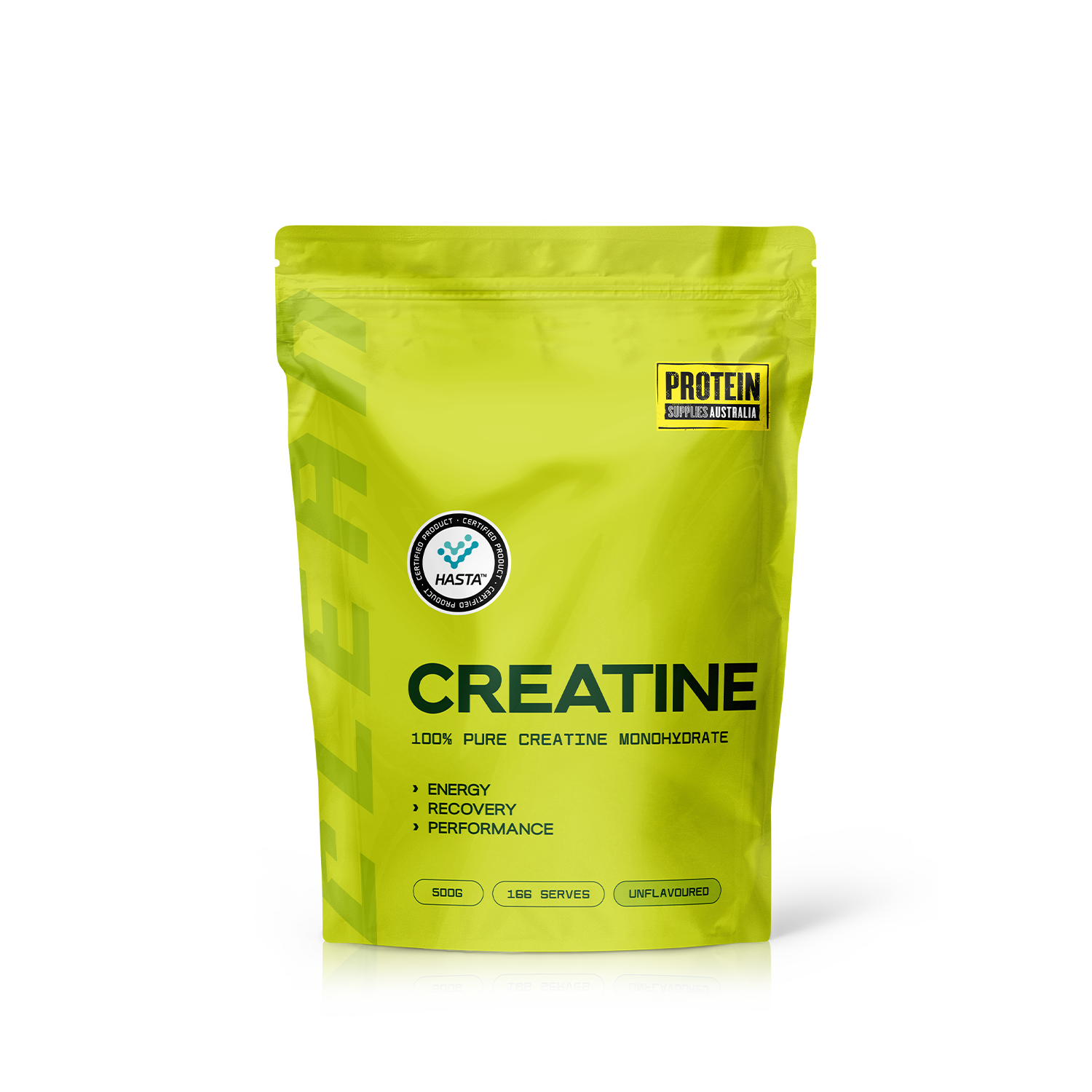
Creatine Pure is standard micronised creatine monohydrate. It's equally effective—the difference is in the concentration and brand recognition.
Which should you choose?
- Budget-conscious? Creatine Pure is excellent value
- Want premium quality? Creapure® is the gold standard
- Either way, you'll get results if you take it consistently
Both will increase your strength, improve recovery, and support muscle growth. The difference is minimal—consistency matters way more than which brand you choose.
The Bottom Line: Why Creatine Deserves a Spot in Your Stack
Creatine monohydrate is one of the most effective, safe, and affordable supplements for muscle recovery and performance. The science is solid, the evidence is overwhelming, and the results are real.
If you're serious about:
- Building strength
- Improving endurance
- Recovering faster
- Getting better results from your training
...then creatine should be part of your daily routine.
5g daily. Every single day. That's it.
Combine it with solid training, adequate protein, proper hydration, and quality sleep—and you've got a recovery system that actually works.
Ready to add creatine to your recovery stack?
Shop Creatine Pure – Micronised for Maximum Absorption
Upgrade to Creapure® German Creatine – Premium Quality
Both deliver the same proven results. Choose based on your preference and budget. Either way, you're making a smart investment in your recovery and performance.
Strawberry Kiwi Electrolyte Icy Poles
Post-Workout Recovery: Protein, Hydration & Timing for Faster Muscle Repair