
Magnesium is the recovery mineral most people overlook. It supports muscle relaxation, reduces cramps, regulates your nervous system, and most importantly improves sleep quality. And sleep is where your muscles actually grow. You need 1.6-2g of magnesium daily, ideally in the evening.

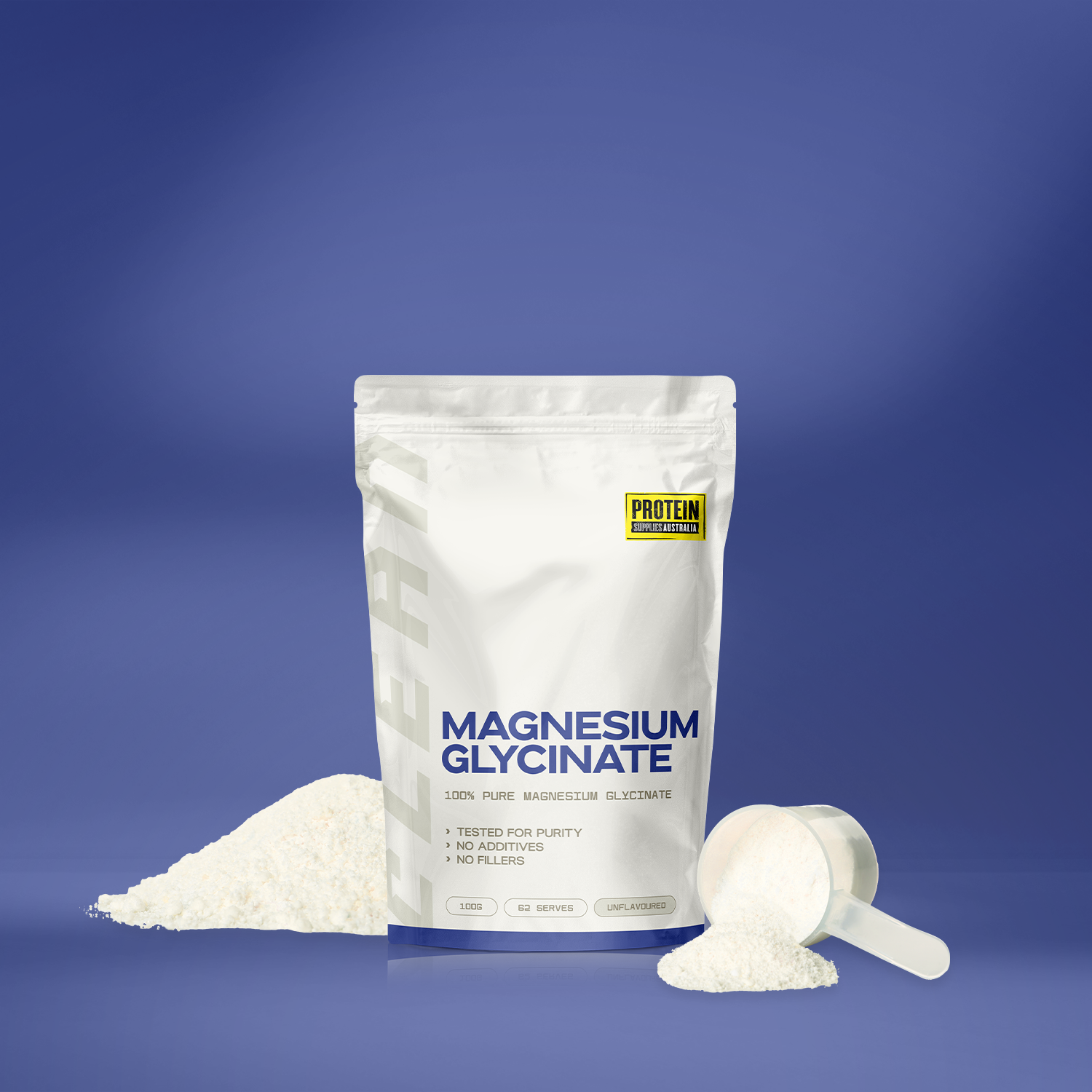
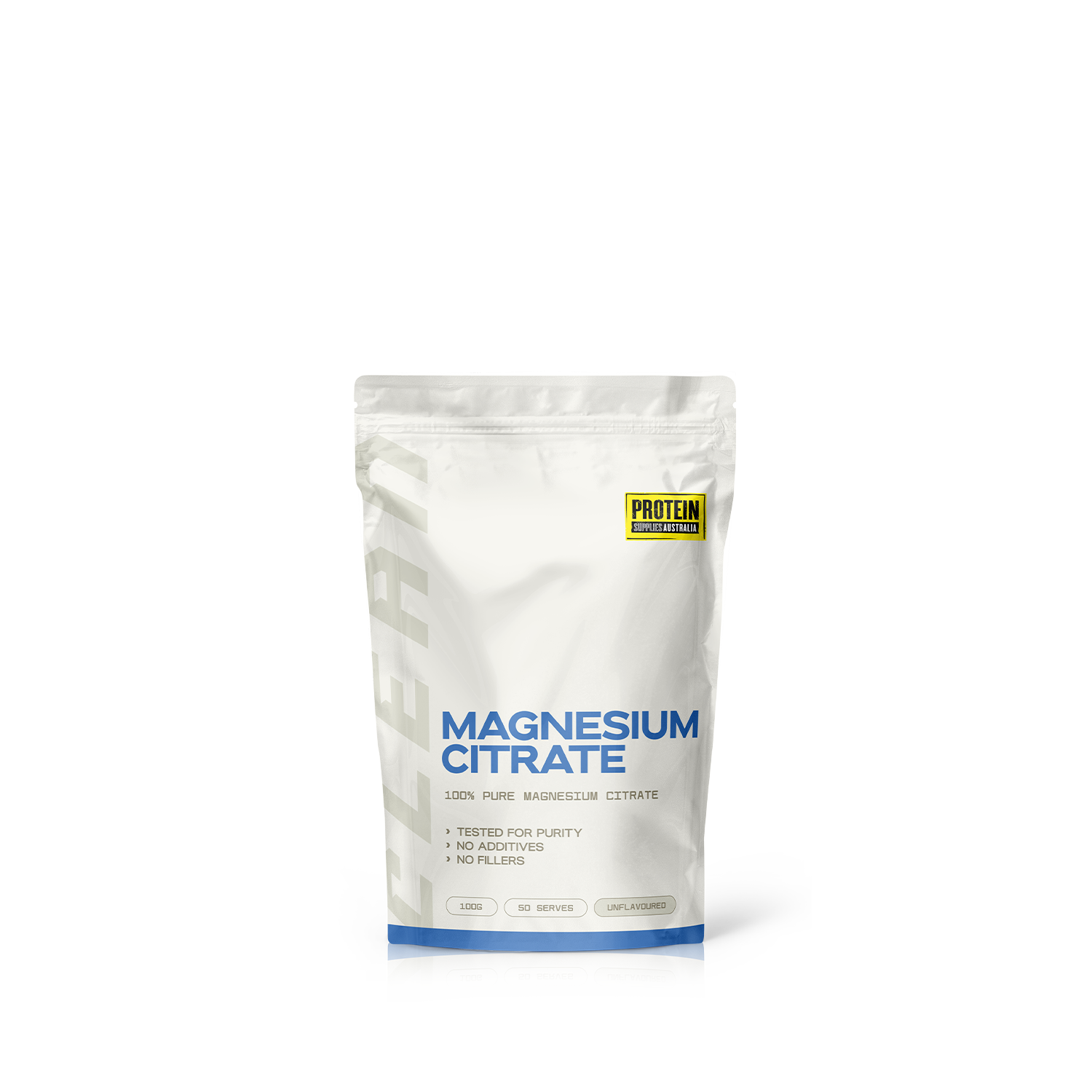
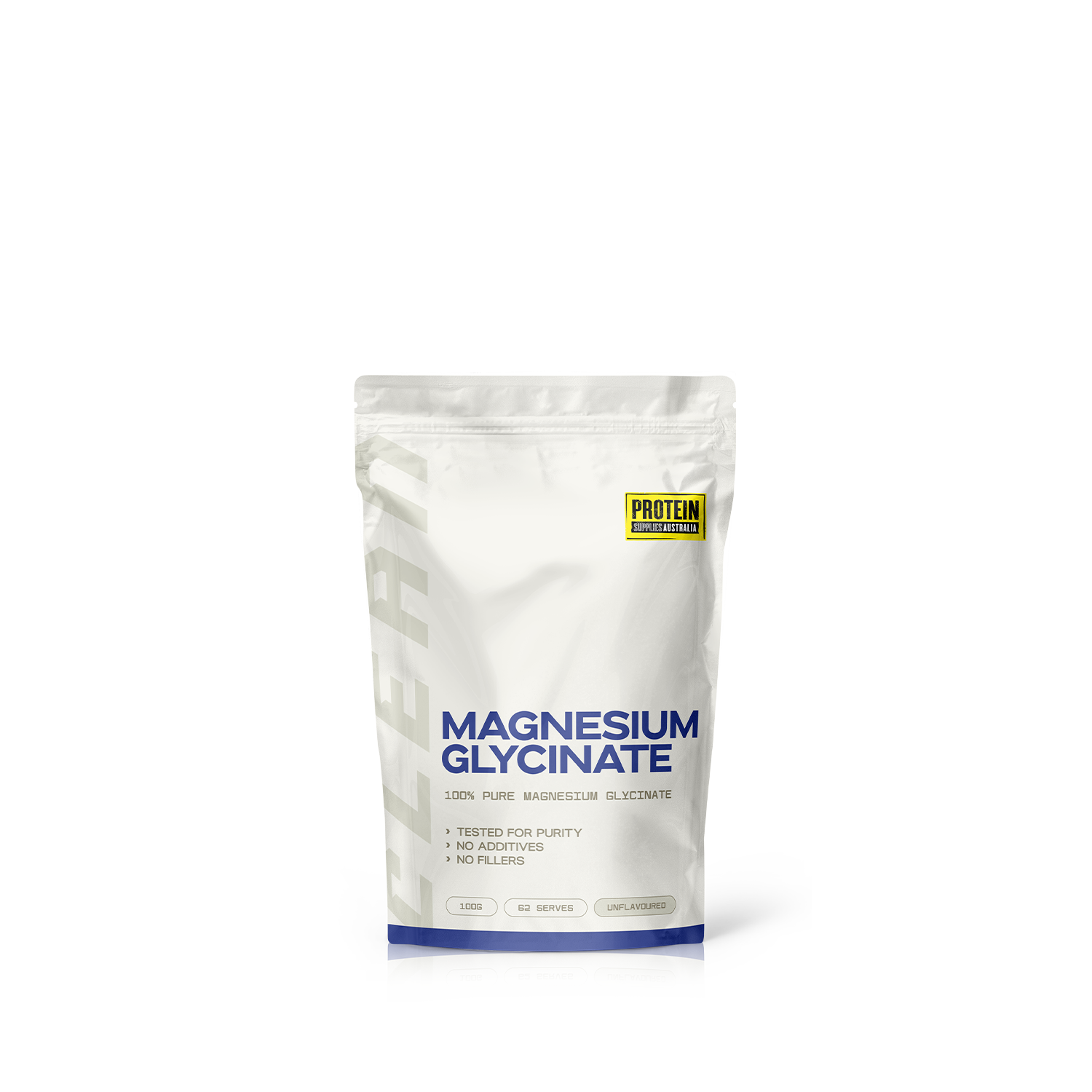
The two best forms are magnesium citrate (better for digestion and bowel health) and magnesium glycinate (gentler on the stomach and better for sleep). Either way, consistent daily use will reduce muscle tension, improve recovery, and help you sleep deeper. It's not flashy, but it's one of the most underrated recovery tools in your arsenal.
What Is Magnesium & Why Athletes Need It
Let's start with the basics: magnesium is a mineral that your body needs for over 300 different enzymatic reactions. That's not an exaggeration—it's literally involved in almost every major biological process.
For athletes and people who train hard, magnesium is especially important because it:
- Supports muscle contraction and relaxation
- Regulates your nervous system
- Produces energy (ATP)
- Supports protein synthesis
- Improves sleep quality
Here's the problem: most people don't get enough magnesium from food alone. And if you're training hard, you're losing magnesium through sweat. This creates a deficit that slows down recovery.
The bottom line: Magnesium isn't sexy, but it's essential. Get enough of it, and your recovery improves dramatically.
How Magnesium Works: The Science Behind Muscle Recovery

To understand why magnesium is so important for recovery, you need to understand what it actually does in your body.
Magnesium & Muscle Function
Your muscles work through a process called the sliding filament mechanism. Basically, muscle fibres contract and relax by sliding past each other. This process requires energy (ATP) and minerals—especially magnesium and calcium.
Here's how it works:
- Your brain sends a signal to contract
- Calcium floods into the muscle cell
- Magnesium helps regulate this calcium flow
- The muscle contracts
- Magnesium helps remove calcium from the cell
- The muscle relaxes
Without enough magnesium, this process gets disrupted. Your muscles can't relax properly, calcium stays in the cell longer, and you get muscle tension and cramps.
Magnesium & Energy Production (ATP)
Remember ATP—your muscles' energy currency? Magnesium is essential for producing it.
The process:
- Your body breaks down glucose and fat for energy
- This process requires magnesium as a cofactor
- Without magnesium, ATP production slows down
- Your muscles have less energy for training and recovery
This is why low magnesium leads to fatigue and poor workout performance.
Magnesium & Your Nervous System
Your nervous system has two modes:
- Sympathetic (fight or flight): Activated during training, stress, and high intensity
- Parasympathetic (rest and digest): Activated during relaxation, sleep, and recovery
Magnesium is essential for shifting from sympathetic to parasympathetic mode. Without enough magnesium, your nervous system stays in "go" mode even when you're trying to relax. This leads to:
- Poor sleep quality
- Muscle tension
- Slow recovery
- Increased stress and anxiety
Get enough magnesium, and your nervous system can properly shift into recovery mode.
Magnesium & Sleep Quality
This is where magnesium really shines for recovery.
Sleep is when your body does most of its repair work. Growth hormone peaks, muscle protein synthesis accelerates, and inflammation decreases. But you can't get quality sleep without adequate magnesium.
Why magnesium improves sleep:
- It activates your parasympathetic nervous system (relaxation mode)
- It regulates melatonin (your sleep hormone)
- It reduces cortisol (your stress hormone)
- It relaxes your muscles
- It calms your mind
Take magnesium in the evening, and you'll fall asleep easier, sleep deeper, and wake up more recovered.
Magnesium Benefits for Athletes: The Recovery Game-Changer

Now let's talk about what magnesium actually does for your training and recovery.
1. Reduces Muscle Cramps & Soreness
One of the most common complaints from athletes is muscle cramps—especially at night or during intense training. Magnesium is often the missing piece.
Why it works: Magnesium helps muscles relax. When you have enough magnesium, your muscles can properly relax after contraction, which prevents cramping.
The benefit: Fewer cramps, less muscle tension, better comfort during and after training.
2. Supports Muscle Recovery & Repair
Magnesium is essential for protein synthesis—the process your body uses to repair and build muscle.
Why it works: Magnesium is a cofactor in the enzymes that build new muscle protein. Without it, your body can't repair muscle damage efficiently.
The benefit: Faster muscle repair, better recovery between sessions, better long-term muscle growth.
3. Improves Sleep Quality
This is the big one. Sleep is where recovery happens, and magnesium is essential for quality sleep.
Why it works: Magnesium activates your parasympathetic nervous system, regulates melatonin, and relaxes your muscles—all of which improve sleep quality.
The benefit: Deeper sleep, better recovery, improved performance next session.
4. Reduces Inflammation
Intense training causes inflammation—that's part of the adaptation process. But too much inflammation slows recovery.
Why it works: Magnesium has anti-inflammatory properties and helps regulate your immune response.
The benefit: Faster reduction of post-workout inflammation, better recovery.
5. Supports Bone Health
If you're training hard, you're putting stress on your bones. Magnesium is essential for bone strength and density.
Why it works: Magnesium works with calcium to build and maintain bone structure.
The benefit: Stronger bones, reduced injury risk, better long-term health.
6. Reduces Muscle Fatigue
Low magnesium = poor ATP production = muscle fatigue. Get enough magnesium, and your muscles have more energy.
Why it works: Magnesium is essential for ATP production, which powers your muscles.
The benefit: Better endurance, less fatigue during training, better recovery between sets.
Magnesium Citrate vs Magnesium Glycinate: Which Form Is Best?

Here's where it gets interesting. Not all magnesium is created equal. The form matters because different forms have different absorption rates and effects on your body.
The two best forms for athletes are magnesium citrate and magnesium glycinate. Let's compare them:
| Feature | Magnesium Citrate | Magnesium Glycinate |
|---|---|---|
| Bioavailability | High (well-absorbed) | Very High (best absorbed) |
| Absorption Rate | Good | Excellent |
| Effect on Digestion | Laxative effect (supports bowel health) | Neutral (gentle on stomach) |
| Best Time to Take | Anytime (morning or evening) | Evening (better for sleep) |
| Taste | Slightly sour | Slightly salty/sour |
| Dosage | 2g per serve | 1.6g per serve |
| Best For | Digestion support + recovery | Sleep quality + muscle relaxation |
| Stomach Sensitivity | May cause loose stools if sensitive | Very gentle, no digestive issues |
Magnesium Citrate: The Digestive Support Option
What it is: Magnesium bound to citric acid
Why it's effective:
- Highly bioavailable (your body absorbs it well)
- Citric acid supports digestion
- Gentle laxative effect (helps with bowel regularity)
- Works quickly
Best for:
- Athletes who want recovery + digestive support
- People with occasional constipation
- Those who prefer a morning or midday dose
- Anyone who wants a fast-acting form
Dosage: 2g per serve (about 3 level scoops)
How to take:
- Mix with 200-250mL of water
- Drink anytime during the day
- Can also add to smoothies or shakes
- Consistency matters—take daily for best results
Magnesium Glycinate: The Sleep & Relaxation Option
What it is: Magnesium bound to the amino acid glycine
Why it's effective:
- Extremely bioavailable (best absorption)
- Glycine itself supports sleep and relaxation
- Very gentle on the digestive system
- Synergistic effect (magnesium + glycine = better sleep)
Best for:
- Athletes who prioritise sleep quality
- People with sensitive stomachs
- Those who want deep relaxation
- Anyone who struggles with sleep
Dosage: 1.6g per serve (about 2 level scoops)
How to take:
- Mix with 200-250mL of water
- Best taken in the evening (1-2 hours before bed)
- Can also add to smoothies or warm milk
- Consistency matters—take daily for best results
Which One Should You Choose?
Choose Magnesium Citrate if:
- You want digestive support + recovery
- You prefer a morning or midday dose
- You want a fast-acting form
- You don't have a sensitive stomach
Choose Magnesium Glycinate if:
- Sleep quality is your priority
- You have a sensitive stomach
- You want maximum relaxation
- You want the best absorption
The honest truth: Both work great for recovery. The difference is in the secondary benefits. Citrate is better for digestion, glycinate is better for sleep. Pick based on your priority, and you can't go wrong.
Pro tip: Some athletes use both—magnesium citrate in the morning for recovery and digestion support, magnesium glycinate in the evening for sleep. This covers all bases.
Magnesium Dosage & How to Take It
Let's keep this simple, because magnesium dosing doesn't need to be complicated.

Daily Dosage Recommendations
For general health: 300-400mg per day
For athletes (recovery focus): 400-500mg per day
For sleep optimization: 300-400mg in the evening
Important note: These are general guidelines. Individual needs vary based on body weight, training intensity, diet, and genetics. If you have specific health concerns, consult a healthcare professional.
How to Take Magnesium
Option 1: Simple & Consistent
- Take 1.6-2g magnesium daily
- Mix with water
- Take in the evening (best for sleep and recovery)
- Same time every day (consistency matters)
Option 2: Split Dosing
- Take 1g in the morning (magnesium citrate)
- Take 1g in the evening (magnesium glycinate)
- Covers both recovery and sleep
- Slightly better absorption (smaller doses)
Option 3: Post-Workout + Evening
- Take magnesium post-workout (supports recovery)
- Take again in the evening (supports sleep)
- Timing aligns with recovery windows
Timing: Does It Matter?
Short answer: Evening is ideal, but consistency matters more.
Why evening is best:
- Supports relaxation and sleep
- Aligns with your recovery window
- Helps shift your nervous system into parasympathetic mode
- Improves sleep quality (where most recovery happens)
That said: If you forget and take it in the morning, you're not losing anything. Consistency over weeks and months matters way more than perfect timing every single day.
How to Mix & Take It
With water:
- Dissolve 1.6-2g in 200-250mL of water
- Stir well (magnesium can be chalky)
- Drink immediately
- Simple and effective
With smoothies or shakes:
- Add to your post-workout protein shake
- Blends easily with flavoured drinks
- Convenient and tasty
With warm milk or tea:
- Mix into warm milk before bed
- Creates a relaxing evening ritual
- Supports sleep quality
Pro tip: Magnesium dissolves better in warm water or juice. If you're mixing with cold water, stir well.
Magnesium in Your Recovery Stack
Magnesium doesn't work in isolation. It's most effective when combined with other recovery tools.
Magnesium + Protein
Why it works: Protein provides amino acids for muscle repair, magnesium supports the process and helps muscles relax.
How to use:
- Take magnesium in the evening
- Ensure adequate protein intake throughout the day (1.6-2.2g per kg bodyweight)
- Magnesium supports the recovery process that protein initiates
The benefit: Better muscle repair, less soreness, faster recovery.
Magnesium + Creatine
Why it works: Creatine boosts ATP energy, magnesium is essential for ATP production. Together, they optimise energy and recovery.
How to use:
- Take 5g creatine daily (anytime)
- Take 1.6-2g magnesium daily (evening)
- Both support energy production and recovery
The benefit: Better training performance, faster recovery, improved strength gains.
Magnesium + Electrolyte Hydration
Why it works: Electrolytes (including magnesium) maintain fluid balance and muscle function. Magnesium specifically supports muscle relaxation.
How to use:
- Drink electrolyte hydration post-workout (includes magnesium)
- Take additional magnesium in the evening (for sleep)
- Covers both immediate recovery and sleep support
The benefit: Optimal hydration, muscle function, and sleep quality.
The Complete Recovery Stack
If you want to optimise recovery fully:
Daily:
- 5g creatine (anytime)
- 1.6-2g magnesium (evening)
- Adequate protein (1.6-2.2g per kg bodyweight)
- Electrolyte hydration (post-workout)
Lifestyle:
- 7-9 hours of quality sleep
- Consistent training
- Whole food nutrition
- Stress management
This covers all the bases: energy production, muscle repair, hydration, nervous system regulation, and sleep quality.
Common Magnesium Mistakes (And How to Avoid Them)
Mistake 1: Taking Too Much at Once You think more is better, so you take 5g of magnesium in one sitting. Your stomach gets upset, and you blame magnesium. Fix: Stick to 1.6-2g per serve. If you want more, split it into two doses.
Mistake 2: Taking It at the Wrong Time You take magnesium in the morning before a workout, expecting it to help with performance. It doesn't work as well. Fix: Take magnesium in the evening for sleep and recovery. That's when it shines.
Mistake 3: Not Being Consistent You take magnesium for a week, skip it for two weeks, then start again. You don't see results. Fix: Take magnesium every single day. Consistency is key. It takes 2-4 weeks to feel the full effects.
Mistake 4: Choosing the Wrong Form You buy a cheap magnesium oxide supplement (poorly absorbed) and wonder why it doesn't work. Fix: Use magnesium citrate or glycinate. These forms are well-absorbed and effective.
Mistake 5: Ignoring Your Stomach You take magnesium citrate, your stomach gets loose, and you stop taking it. Fix: If citrate bothers your stomach, switch to glycinate. It's gentler and equally effective.
Mistake 6: Not Pairing It with Other Recovery Tools You take magnesium but skip protein, hydration, and sleep. You don't see results. Fix: Magnesium is one piece of the puzzle. Combine it with protein, hydration, creatine, and quality sleep for optimal recovery.
Optimise Your Recovery with Magnesium
Magnesium isn't flashy. It won't give you a pump in the gym or make you feel "energised." But it does something more important: it helps your body actually recover.
Better sleep, less muscle tension, faster repair, improved performance—these are the benefits of consistent magnesium use. And they add up over weeks and months.
If you're serious about recovery, magnesium is non-negotiable. Get enough of it, and you'll sleep better, recover faster, and see better results from your training.
Ready to add magnesium to your recovery stack?
Shop Magnesium Citrate Pure – Digestion & Recovery Support
Upgrade to Magnesium Glycinate Pure – Sleep & Relaxation
Take 1.6-2g daily, ideally in the evening. Pair it with solid training, adequate protein, proper hydration, and quality sleep—and you've got a recovery system that actually works.
Your best recovery starts tonight. Sleep deep, recover harder.
Post-Workout Recovery: Protein, Hydration & Timing for Faster Muscle Repair
Electrolyte Hydration for Faster Muscle Recovery