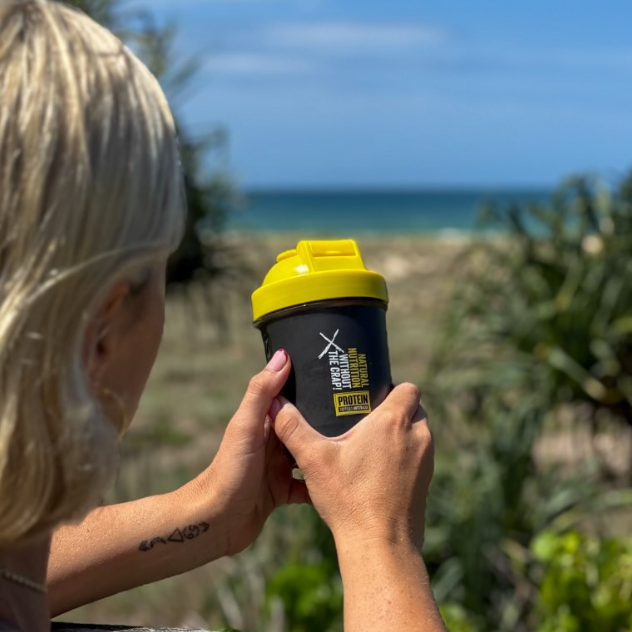
The 30-60 minutes after your workout is when your muscles are most primed to absorb nutrients and kickstart repair. This is your golden window. You need protein (20-40g to trigger muscle protein synthesis), carbs (to replenish glycogen), and electrolytes (to restore what you lost through sweat).

Skip this window, and you're leaving gains on the table. Get it right, and you're setting yourself up for faster recovery, less soreness, and better results next session. It's not complicated—just protein, hydration, and timing.
Why the Post-Workout Window Actually Matters
Here's the thing: your workout is just the beginning. The real magic happens in the hours after you finish training.
When you hit the gym, you're creating micro-tears in muscle fibres and depleting your energy stores. Your body responds by ramping up muscle protein synthesis—basically, it's in "repair and rebuild" mode.

But here's the catch: this window doesn't stay open forever. Your muscles are most receptive to nutrients for about 30-60 minutes post-workout, and if you miss this window, you're slowing down your recovery.
What happens in your muscles post-workout:
- Muscle protein breakdown is elevated (your muscles are damaged)
- Muscle protein synthesis is primed to activate (your body wants to repair)
- Glycogen stores are depleted (your energy tank is empty)
- Electrolytes are lost through sweat (your mineral balance is off)
- Your nervous system is still activated (you're in "go" mode)
Get the right nutrients in during this window, and your body can repair faster, reduce soreness, and build back stronger. Miss it, and you're making recovery harder than it needs to be.
The Post-Workout Recovery Window: 30-60 Minutes Is Your Golden Hour
Let's talk timing, because it actually matters—but maybe not in the way you think.
The myth: You have exactly 30 minutes to eat, or all your gains disappear.
The reality: You have a window of about 30-60 minutes where your muscles are most responsive to nutrients. It's not a hard deadline, but it's definitely a sweet spot.
Why This Window Matters
Immediately Post-Workout (0-30 minutes):
- Your muscles are primed to absorb amino acids
- Muscle protein synthesis is ramping up
- Glycogen depletion is at its peak
- Blood flow to muscles is elevated (helping nutrient delivery)
- Action: Get protein and carbs in ASAP
30-60 Minutes Post-Workout:
- Muscle protein synthesis is still elevated
- Nutrient absorption is still optimised
- Your body is still in "recovery mode"
- Action: Complete your post-workout meal if you haven't already
Beyond 60 Minutes:
- The window is closing, but recovery isn't over
- Muscle protein synthesis remains elevated for hours
- You can still benefit from nutrients, just not as efficiently
- Action: Don't stress if you can't eat immediately—just get something in within a couple of hours
The bottom line: Aim for post-workout nutrition within 30-60 minutes, but don't panic if you're a bit late. Consistency over weeks and months matters way more than nailing the exact timing every single session.
Protein for Post-Workout Recovery: The Essential Nutrient
Protein is the MVP of post-workout recovery. Your muscles are literally made of protein, and after training, they need amino acids to repair and grow.

Why Protein Matters Post-Workout
Amino acids trigger muscle protein synthesis. When you consume protein post-workout, your body breaks it down into amino acids. These amino acids are the building blocks your muscles use to repair damage and build new tissue. Without adequate protein, your muscles can't recover properly.
The science: Research consistently shows that consuming 20-40g of protein post-workout optimizes muscle protein synthesis. This is the amount that maximizes your body's ability to repair and build muscle.
Quality matters. Not all proteins are created equal. You want a complete protein with all nine essential amino acids. Whey protein is perfect because it's:
- Fast-digesting (gets amino acids to your muscles quickly)
- Complete (has all essential amino acids)
- High in leucine (the amino acid that triggers muscle protein synthesis)
- Convenient (mixes easily, tastes good)
How Much Protein Do You Actually Need?
Post-workout serving: 20-40g of protein per shake
This is the sweet spot for triggering muscle protein synthesis. More isn't necessarily better—your body can only use so much protein in one sitting. Quality and timing matter more than quantity.
Daily protein intake: 1.6-2.2g per kg of bodyweight
For a 80kg person, that's 128-176g per day. Spread this across 4-5 meals throughout the day, with at least one serving post-workout.
WPC vs WPI: Which Protein Should You Choose?

Both are excellent choices. Here's how they compare:
| Feature | Whey Protein Concentrate (WPC) | Whey Protein Isolate (WPI) |
|---|---|---|
| Protein Content | 70-80% protein per serve | 90%+ protein per serve |
| Lactose Content | Higher (2-3g per serve) | Lower (0.5g per serve) |
| Carbs & Fat | Slightly higher | Very low |
| Digestion Speed | Standard (30-60 min) | Faster (20-30 min) |
| Taste | Creamy, smooth | Clean, neutral |
| Best For | General recovery, muscle building | Fast digestion, lactose sensitivity |
| Cost | More affordable | Premium |
The Real Difference
WPC (Whey Protein Concentrate) is a solid all-rounder. It's got plenty of protein (23g per serve), a bit of carbs and fat (which is actually good post-workout), and it's more affordable. If you're looking for a straightforward, effective post-workout shake, WPC is your guy.
WPI (Whey Protein Isolate) is the premium option. It's higher in protein (26g per serve), lower in lactose, and digests faster. If you're lactose-sensitive or want maximum protein with minimal carbs and fat, WPI is the way to go.
Which should you choose?
- Budget-conscious & no lactose issues? WPC is excellent value
- Want faster digestion & lower lactose? WPI is worth the upgrade
- Either way, you'll get results if you use it consistently post-workout
Both will support muscle recovery and growth. The difference is minimal—consistency matters way more than which one you pick.
Hydration for Post-Workout Recovery: Why Water Alone Isn't Enough
You've just finished training. You're sweaty, you're thirsty, and you reach for a bottle of water. Good instinct—but here's the problem: plain water doesn't replace what you lost.

What You Lose Through Sweat
When you train hard, you lose more than just water. You lose electrolytes—minerals that are essential for muscle function, hydration, and recovery.
The main electrolytes you lose:
- Sodium: Regulates fluid balance and muscle contraction
- Potassium: Essential for muscle function and heart health
- Magnesium: Supports muscle relaxation and energy production
- Calcium: Important for muscle contraction and bone health
Drink plain water, and you're replacing the fluid but not the minerals. Your muscles need those minerals to function properly and recover efficiently.
Why Plain Water Isn't Enough
Scenario 1: You drink only water post-workout
- Your thirst is quenched
- But your electrolytes aren't replaced
- Your muscles don't get the minerals they need
- Your recovery is slower than it could be
Scenario 2: You drink electrolyte hydration post-workout
- Your thirst is quenched
- Your electrolytes are replaced
- Your muscles get the minerals they need
- Your recovery is optimized
It's not a huge difference for a single session, but over weeks and months, proper electrolyte replacement adds up.
Hydration Timing & Amount
During intense training (45+ minutes):
- Sip electrolyte hydration every 15-20 minutes
- Aim for 200-300mL per sip
- This maintains hydration and electrolyte balance during the session
Immediately post-workout (0-30 minutes):
- Drink 500mL of electrolyte hydration
- This starts the rehydration process
- Replenishes lost electrolytes quickly
In the hours after training:
- Continue drinking electrolyte hydration or water
- Aim for 500-1000mL in the 2-4 hours post-workout
- This completes the rehydration process
Pro tip: Electrolytes help your body retain fluid better than plain water alone. This means you stay hydrated longer and recover faster.
The Complete Post-Workout Stack: Protein + Hydration + Carbs
Now let's put it all together. The optimal post-workout recovery isn't just protein or just hydration—it's all three working together.

The Post-Workout Nutrition Formula
Within 30-60 minutes post-workout, consume:
- Protein: 20-40g (triggers muscle protein synthesis)
- Carbs: 40-80g (replenishes glycogen)
- Electrolytes: Complete mineral profile (restores hydration)
This combination does three things:
- Repairs muscle damage (protein)
- Restores energy (carbs)
- Rehydrates your body (electrolytes)
Sample Post-Workout Recovery Shake
The Basic Recovery Shake:
- 30g whey protein powder
- 1 medium banana (carbs)
- 200mL water or milk
- Mix and drink immediately
Macros: ~30g protein, 25g carbs, minimal fat Time to prepare: 2 minutes Effectiveness: Excellent
The Premium Recovery Shake:
- 30g whey protein powder
- 500mL electrolyte hydration drink (instead of water)
- 1 medium banana
- Handful of berries
- Mix and drink immediately
Macros: ~30g protein, 35g carbs, complete electrolyte profile Time to prepare: 3 minutes Effectiveness: Optimal
The Whole Food Option:
- 30g whey protein shake
- 1 slice of whole grain toast with honey
- 1 banana
- Electrolyte hydration drink on the side
Macros: ~30g protein, 50g carbs, complete electrolyte profile Time to prepare: 5 minutes Effectiveness: Excellent (more whole foods)
Timing Recommendations
Immediately after training (0-15 minutes):
- Drink your electrolyte hydration shake
- Start the recovery process right away
- Your muscles are primed and ready
15-30 minutes post-workout:
- Consume your protein shake or whole food meal
- Get amino acids and carbs in
- Complete your post-workout nutrition window
2-4 hours post-workout:
- Eat a balanced meal with protein, carbs, and healthy fats
- Continue the recovery process
- Replenish glycogen stores fully
This staggered approach ensures your body gets what it needs when it needs it.
Other Recovery Nutrients: The Supporting Cast
Protein, carbs, and electrolytes are the main players, but a few other nutrients deserve a mention.
Creatine for Post-Workout Recovery
Why it matters: Creatine supports ATP regeneration, which means better energy production and faster recovery between sessions.
How to use: Add 5g creatine to your post-workout shake. It mixes well with protein and carbs, and the timing is optimal for absorption.
The benefit: Improved strength, power, and recovery over time.
Want to learn more? Check out our complete guide to creatine for muscle recovery.
Magnesium for Post-Workout Recovery
Why it matters: Magnesium supports muscle relaxation, reduces cramps, and improves sleep quality—all essential for recovery.
How to use: Take 1.6-2g magnesium in the evening (not immediately post-workout). This supports relaxation and sleep, which is when most recovery happens.
The benefit: Better sleep, less muscle tension, faster overall recovery.
Build Your Post-Workout Recovery Stack
Post-workout recovery is where your training becomes results. You've put in the work—now fuel the recovery.
The formula is simple: protein + carbs + electrolytes, within 30-60 minutes of finishing your workout. Do this consistently, and you'll recover faster, feel less sore, and see better results.
Ready to optimize your post-workout nutrition?
Shop Whey Protein Concentrate – Fast, Effective Recovery
Upgrade to Whey Protein Isolate – Premium Digestion & Purity
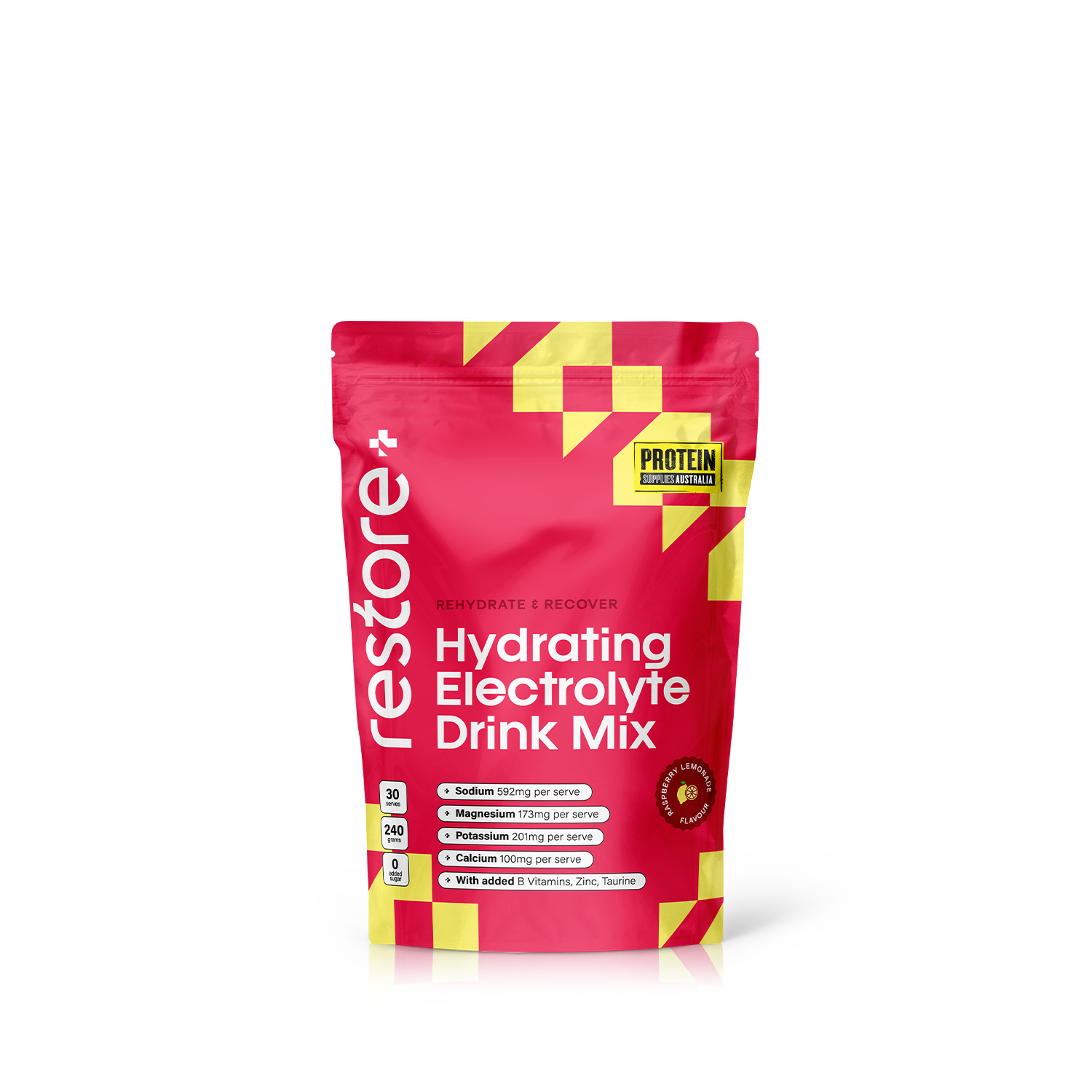
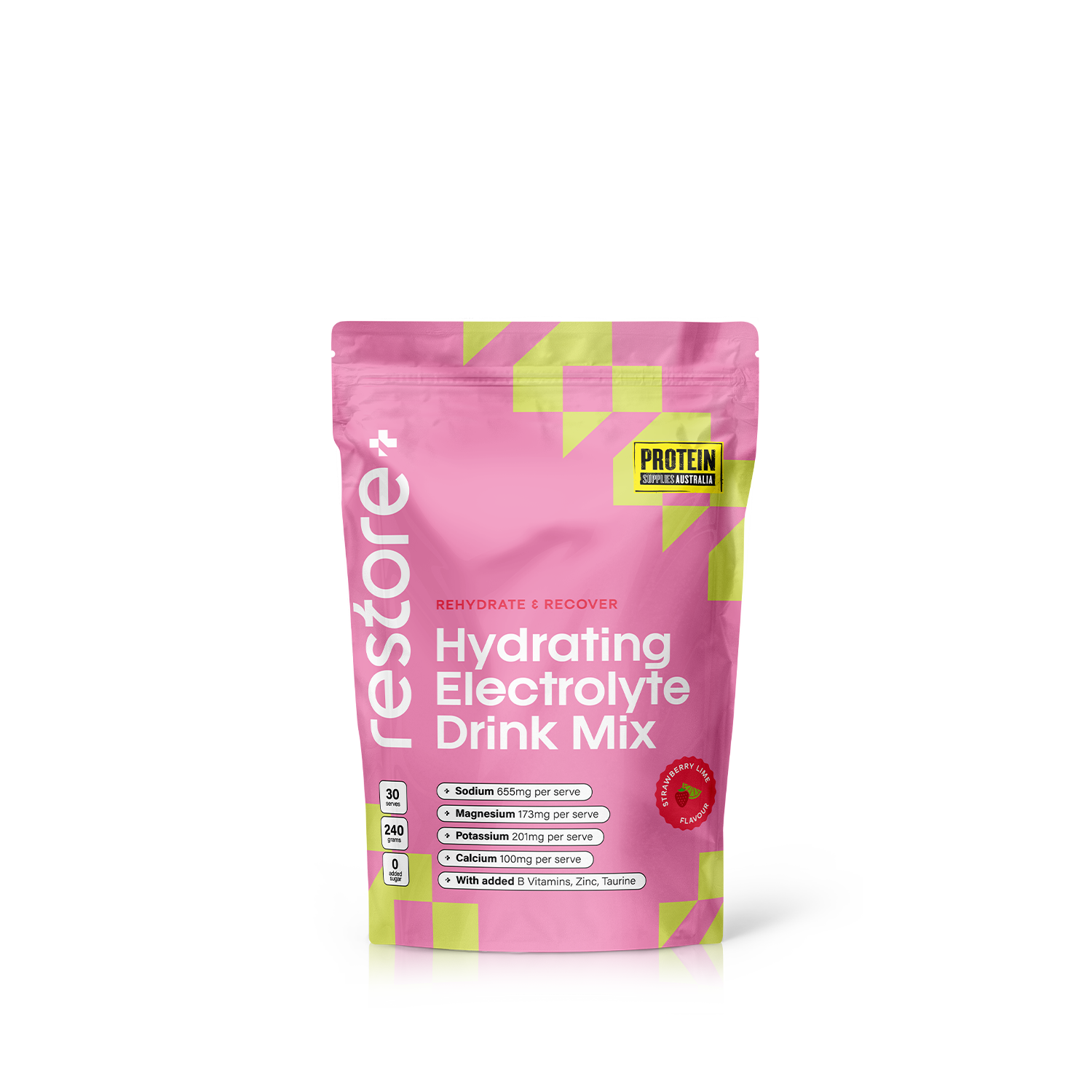
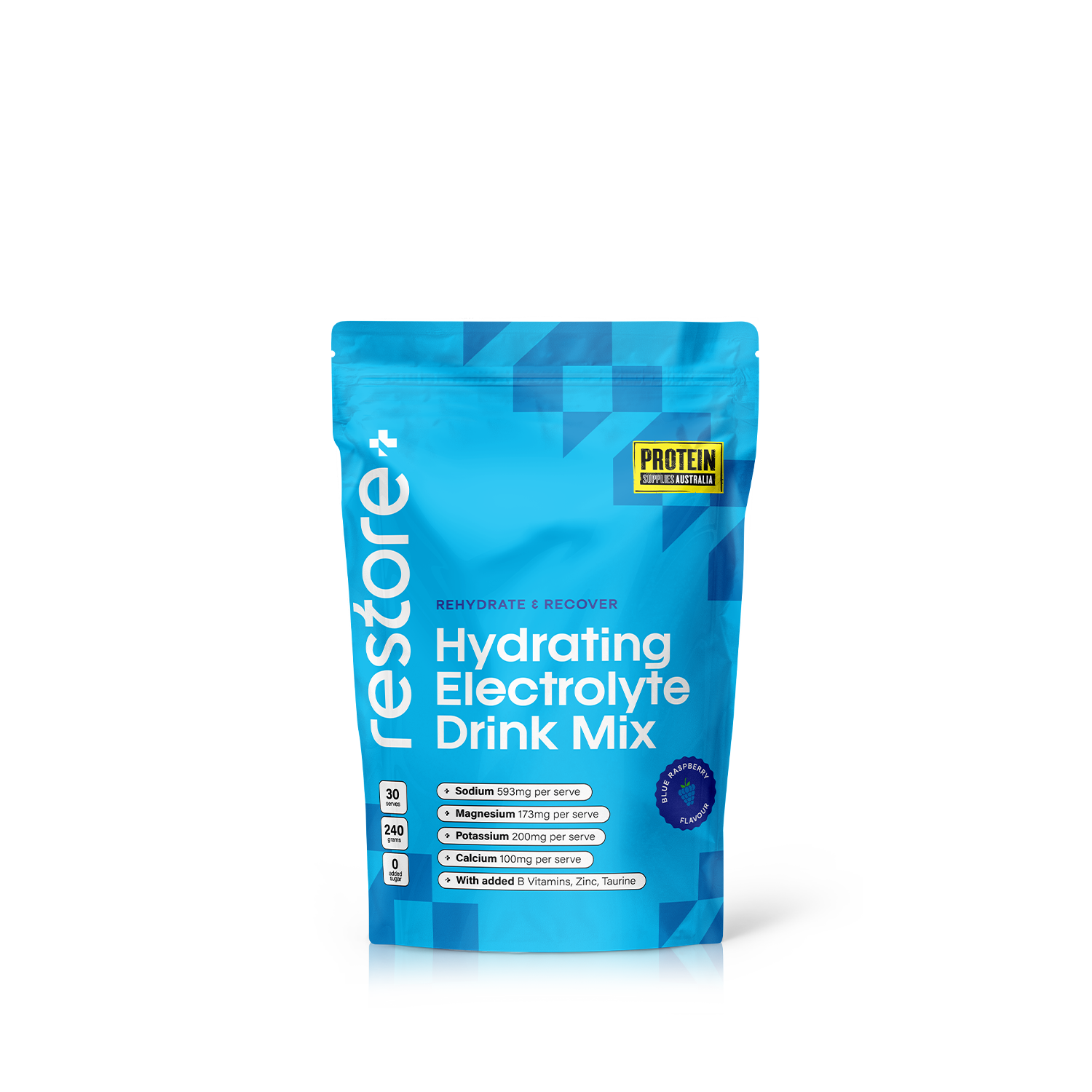
Restore Hydration – Complete Electrolyte Support:
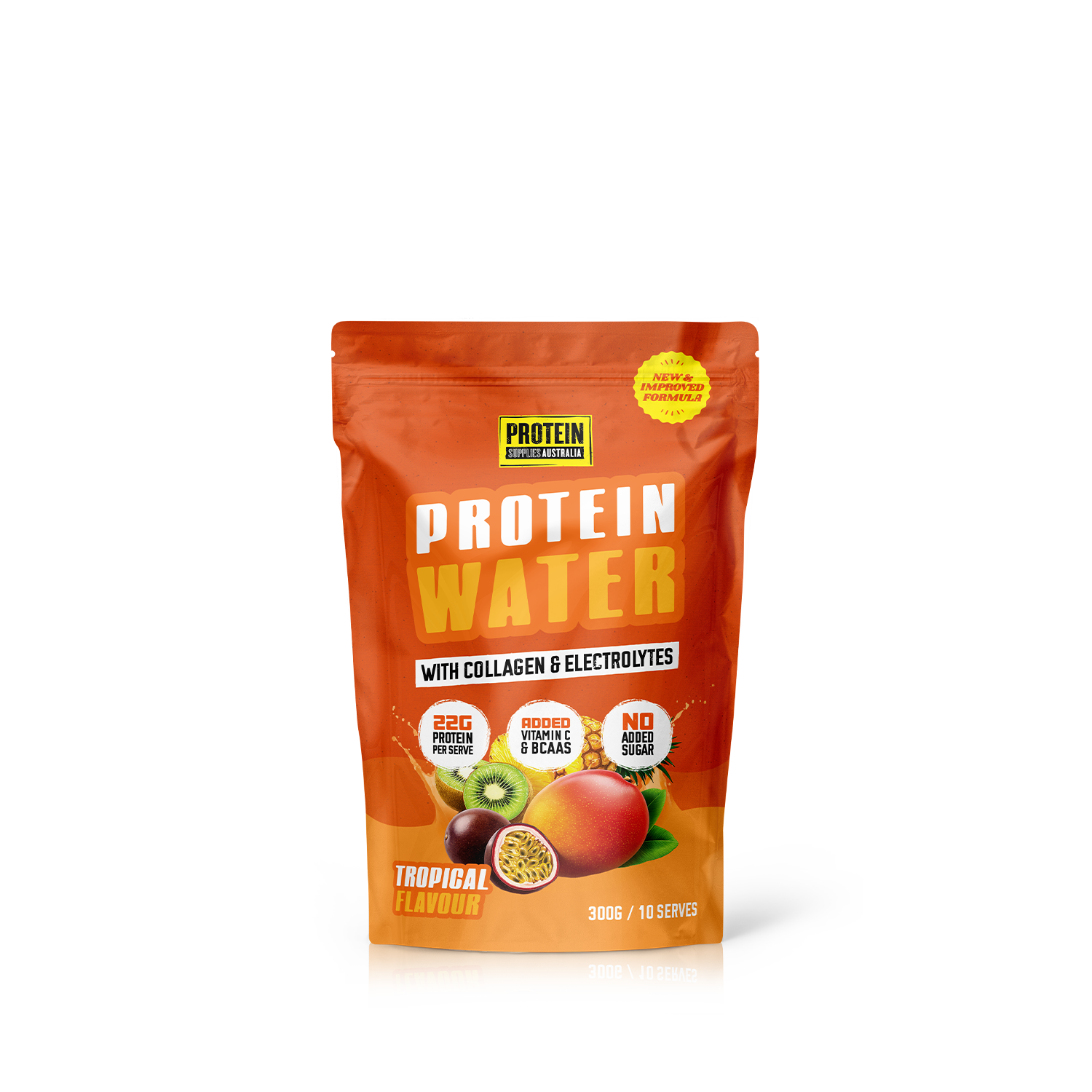
- Tropical Twist – Refreshing tropical flavour
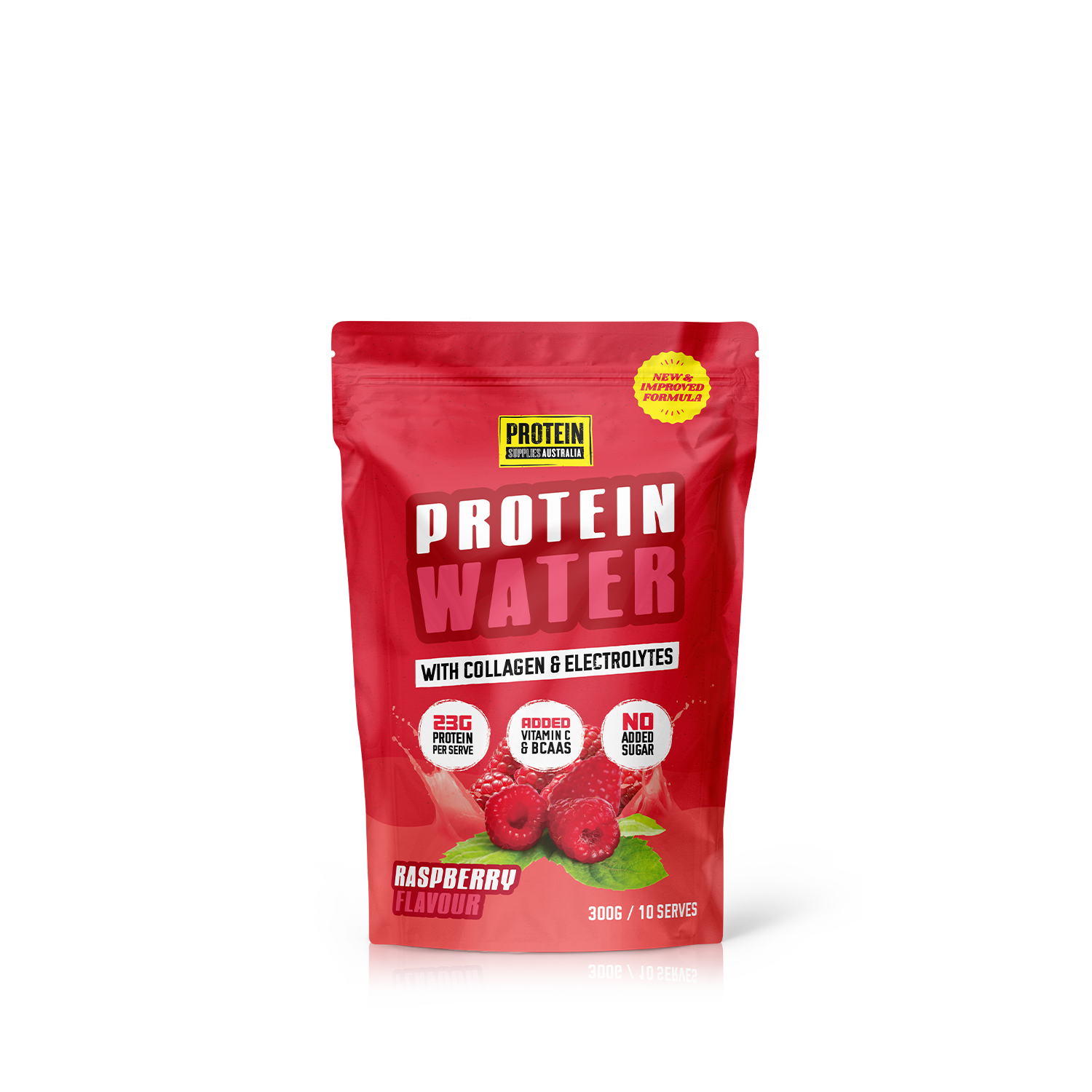
- Raspberry Lemonade – Clean, fruity blend
- Strawberry Lime – Bright, zesty taste
- Blue Raspberry – Modern, crisp flavour
Mix your protein with your favourite Restore Hydration flavour, add a banana, and you've got the perfect post-workout recovery shake. Simple, effective, and delicious.
Your recovery starts now. Train hard, recover harder.

How Creatine Supports Muscle Recovery & Performance
Magnesium for Muscle Recovery & Sleep