Protein is the structural material your body runs on. Every time you train, your muscle fibres break down and need amino acids to rebuild - that's the repair cycle that makes you stronger and leaner over time.
Beyond muscle, protein drives satiety (it's the most filling macronutrient), supports a healthy metabolism, and plays a central role in immune function. Antibodies, digestive enzymes, and most of your hormones are built from protein.
The short version: you can't cut corners here. Get too little and recovery stalls, hunger spikes, and body composition suffers - regardless of how well you train.
How Much Protein Per Day? (The Numbers)
Forget flat gram targets. Body weight is the correct unit.
A 55 kg woman and a 100 kg man have very different protein needs - that's why Australian guidelines (and sports nutrition research) express targets in grams per kilogram of body weight (g/kg/day).
Australia's National Health and Medical Research Council (NHMRC), published on Eat for Health, sets the baseline RDI at 0.84 g/kg/day for men and 0.75 g/kg/day for women - slightly different from the US RDA of 0.8 g/kg. Use the Australian figures as your starting point.
For anyone active or chasing a specific goal, those baseline numbers aren't enough.
Here's the full picture:
|
Goal |
Daily Protein Target |
Example (75 kg person) |
|---|---|---|
|
Sedentary adult |
0.8 g/kg |
~60 g |
|
Active / recreational |
1.2–1.6 g/kg |
90–120 g |
|
Muscle gain |
1.6–2.2 g/kg |
120–165 g |
|
Weight loss |
1.2–1.6 g/kg |
90–120 g |
|
Endurance athlete |
1.4–1.7 g/kg |
105–128 g |
The Australian Institute of Sport (AIS) recommends 1.4–2.0 g/kg for exercising individuals, with strength athletes sitting at the upper end. Weight loss phases may push even higher - up to 2.4 g/kg - to protect lean muscle while in a calorie deficit.

Men vs. Women - Does the Amount Differ?
The baseline differs slightly; the athletic targets don't.
Dietitians Australia sets the baseline at 0.75 g/kg/day for women and 0.84 g/kg/day for men. That gap closes quickly once training enters the picture.
One myth worth killing directly: higher protein does not cause women to bulk up. Muscle hypertrophy requires a sustained training stimulus and a calorie surplus - protein alone doesn't trigger it. Women who eat 1.6–2.2 g/kg while training will recover better and build lean tissue more efficiently, not look like a different person.
Pregnancy and breastfeeding increase needs to approximately 1.0 g/kg/day (around 58–67 g/day depending on trimester). If you're in either life stage, speak with an Accredited Practising Dietitian (APD) for personalised targets.
For active women and men chasing muscle gain or performance, the evidence converges at the same 1.6–2.2 g/kg range. The daily protein intake for men may sit slightly higher in absolute grams simply because of greater average body mass - not because the physiology is fundamentally different.
How to Hit Your Daily Protein Target
Start with whole foods
Supplements fill the gap - they don't replace the foundation. Build your daily protein intake around real food first.
|
Food |
Serve Size |
Protein |
|---|---|---|
|
Chicken breast |
100 g |
~31 g |
|
Salmon fillet |
150 g |
~30 g |
|
Canned tuna |
95 g tin |
~25 g |
|
Lentils (cooked) |
1 cup / 200 g |
~18 g |
|
Greek yogurt |
200 g |
~17 g |
|
Eggs |
2 large |
~12 g |
|
Cottage cheese |
100 g |
~11 g |
A 75 kg active person targeting 130 g/day can get most of the way there with two solid meals. The challenge is consistency - and that's where protein powder earns its place.

When protein powder actually helps
Protein powder isn't magic. It's a convenient, cost-effective source of high-quality protein that counts toward your daily protein intake the same way chicken or eggs do.
Three situations where it genuinely helps:
-
Post-workout window - fast-absorbing protein when whole food isn't practical
-
Busy schedules - hitting 130–160 g/day from food alone takes planning; a shake removes one variable
-
High targets - muscle gain and weight loss phases both demand more protein than most people comfortably eat
PSA protein-per-serve comparison:
|
Product |
Protein per Serve |
Best For |
|---|---|---|
|
WPI (Whey Protein Isolate) |
~27 g |
Post-workout, lean muscle goals, low lactose |
|
WPC (Whey Protein Concentrate) |
~23–24 g |
General daily use, more affordable |
|
Plant-Based Protein |
~20–22 g |
Dairy-free, vegan, lactose intolerance |
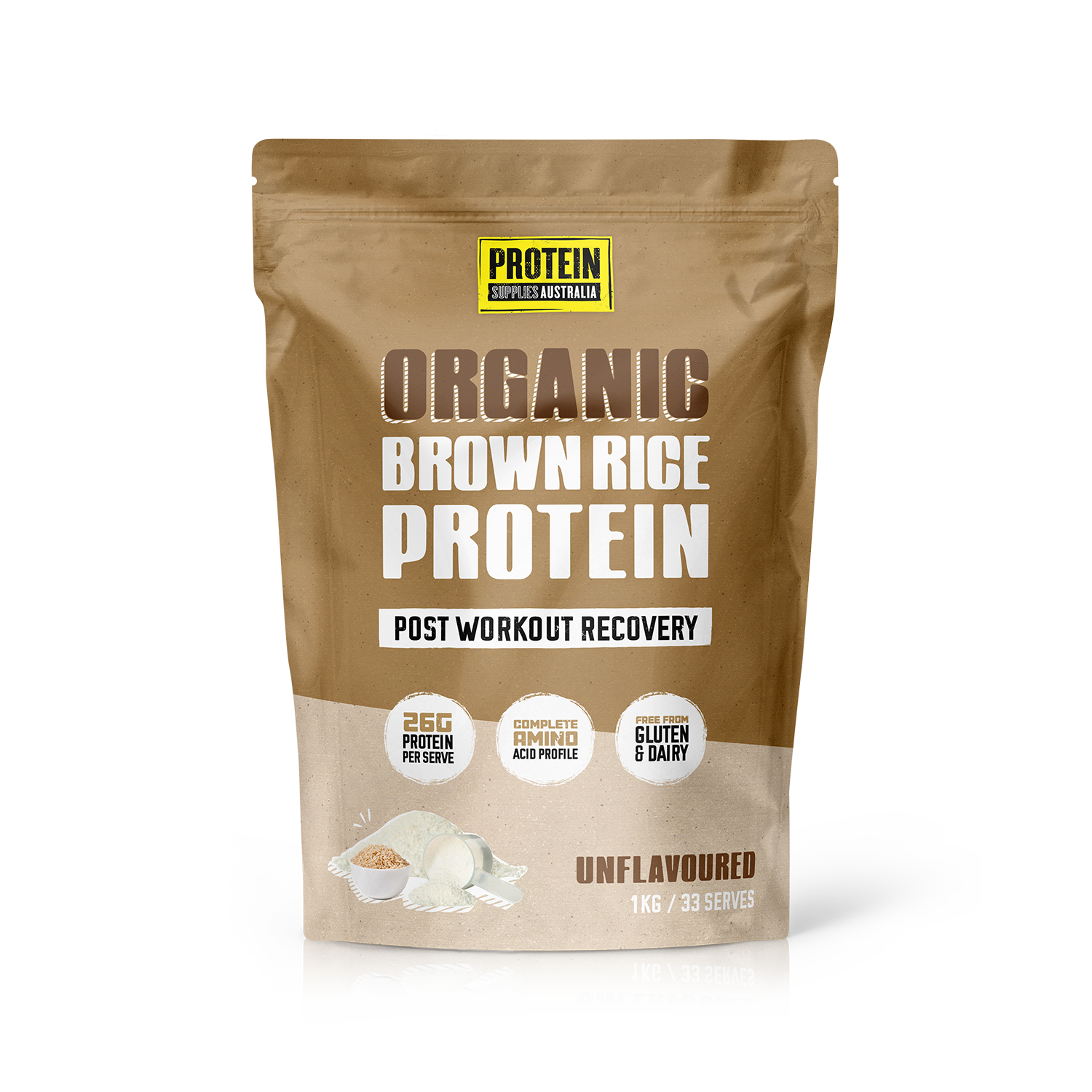
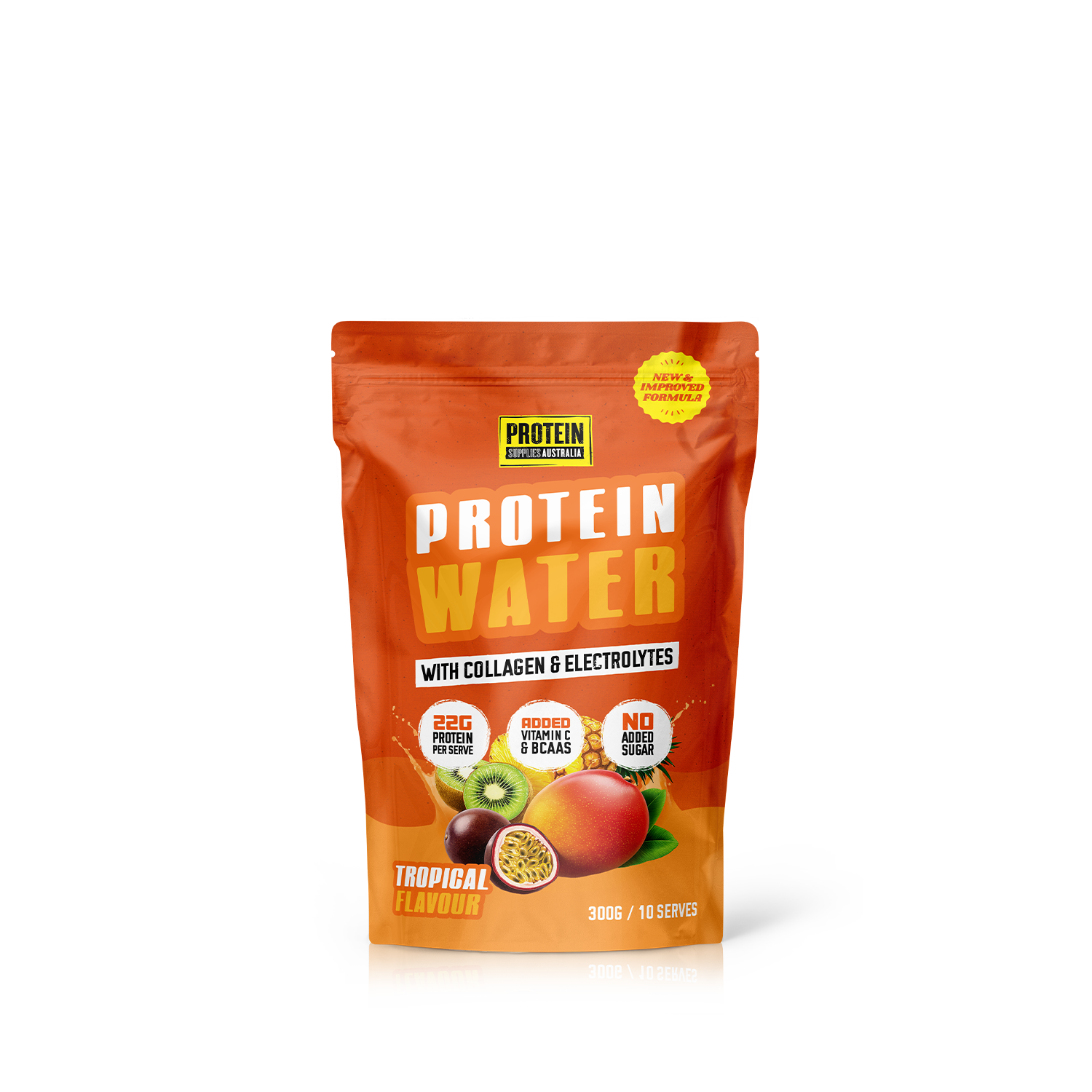
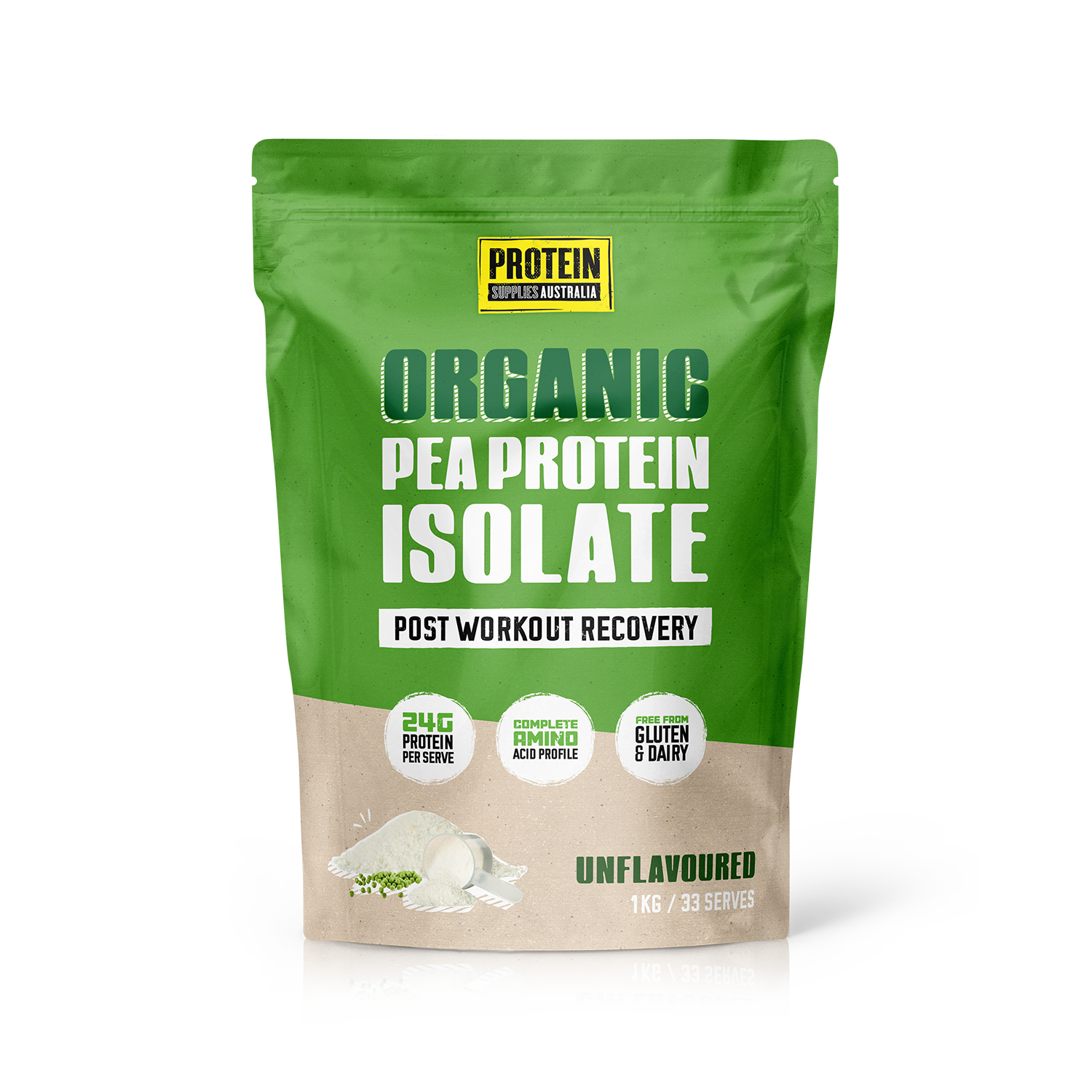
WPI is fast-absorbing and very low in lactose - the go-to for post-training recovery. WPC delivers solid protein at a lower price point and suits anyone using it as a daily top-up. Plant-based options have improved dramatically; a quality blend will hit 20–22 g per serve and cover all essential amino acids.
How to Spread Protein Through the Day
Distribution matters as much as total intake.
Research by Areta et al. (2013) found that spreading protein across multiple meals - roughly 20–40 g per sitting - produces greater muscle protein synthesis (MPS) than front- or back-loading the same total amount. Eating 80 g at dinner and scraping through the rest of the day doesn't work as well as four evenly spaced meals.
Sample day for a 75 kg active person targeting ~130 g/day:
|
Meal |
Foods |
Protein |
|---|---|---|
|
Breakfast |
3 eggs + 200 g Greek yogurt |
~29 g |
|
Lunch |
100 g chicken breast + 1 cup lentils |
~49 g |
|
Post-workout |
WPI shake |
~27 g |
|
Dinner |
150 g salmon fillet |
~30 g |
|
Total |
|
~135 g ✓ |
PSA's take: Most Australians hit their morning and dinner protein fine - it's lunch and the post-workout window where gaps appear. A WPI shake after training is the simplest, most cost-effective fix.

Signs You're Not Getting Enough Protein
If several of these sound familiar, your daily intake is worth reviewing:
-
Slow recovery after training - DOMS that lingers longer than it should
-
Constant hunger - protein is the most satiating macro; low intake keeps you chasing food
-
Loss of muscle mass despite training - the body cannibalises muscle when protein is scarce
-
Slow wound healing - tissue repair depends directly on amino acid availability
-
Fatigue and low energy - protein supports enzyme and hormone production
-
Brittle nails or hair loss - keratin is a protein; deficiency shows up here over time
The Smoothie for When Sugar Cravings Hit
What Is PHGG Fibre? The Science Behind the Gentlest Gut Supplement