
Adult women need 0.75g of protein per kilogram of body weight daily, while adult men need 0.84g per kilogram. Most Australians already eat enough protein from their regular diet, but your exact needs depend on your age, activity level, and life stage.

During intense exercise and high training loads, protein requirements are higher than general guidelines.
The Basics: What Is Protein?
Protein is an important nutrient that our bodies use to function properly, and it's key to building muscles and maintaining a strong immune system. Proteins are made up of building blocks called amino acids, and there are 20 amino acids that join together in different combinations to form proteins.

The human body can't store protein, so it must be supplied daily from the foods we eat.
Daily Protein Requirements by Life Stage
Adults (19-70 years)
| Life Stage | Requirement |
|---|---|
| Adult Women | 0.75g per kilogram of body weight per day |
| Adult Men | 0.84g per kilogram of body weight per day |
| Pregnant & Breastfeeding Women | 1g per kilogram of body weight per day |
| Adults over 70 years | 1g per kilogram of body weight per day |
Example Calculations
For a 70kg woman:
- 70 kg × 0.75g = 52.5g protein per day
For an 85kg man:
- 85 kg × 0.84g = 71.4g protein per day
Protein Needs for Active People & Athletes
If you exercise regularly, your protein requirements increase significantly.
Protein targets for athletes in heavy training are in the range of 1.2-1.6g per kilogram of body mass daily, which is up to double the amount recommended for sedentary populations.
The highest recommendations for protein (1.6-2.4g/kg body mass daily) are targeted to athletes undertaking weight loss programs.
Quick Reference for Active Adults
| Activity Level | Protein Intake |
|---|---|
| Sedentary | 0.75-0.84g/kg |
| Moderate exercise | 1.0-1.2g/kg |
| Heavy resistance training | 1.6-2.0g/kg |
| Weight loss + training | 1.6-2.4g/kg |
Protein Distribution Throughout the Day
Don't load all your protein into one meal.
It's a good idea to eat protein across 2-3 meals a day, as this improves muscle protein synthesis which is essential to the body's ongoing growth and repair.
Example daily breakdown for 70kg person (52g target):
- Breakfast: 15g (eggs, yoghurt, oats)
- Lunch: 20g (chicken, fish, tofu)
- Dinner: 17g (lean meat, legumes, dairy)
Best Protein Sources in Australia
Animal-Based Proteins

Complete sources of protein contain all the essential amino acids and are predominantly animal-based, though there are some plant-based sources.
Top choices:
- Eggs are a rich source of protein, as well as vitamin A, vitamin E and vitamin B12, choline, iron and cholesterol
- Fish and seafood — aim for 2 serves of fish (especially oily fish) or seafood a week, which is good for your heart (each serve is around 100g)
- Poultry such as chicken, turkey and duck
- Dairy — a great source of protein found in milk, cheese and yoghurt, which also provide calcium and help protect against disease
Plant-Based Proteins

Alternatives to animal foods include nuts, seeds, legumes, beans and tofu, which increase dietary variety and can provide a valuable, affordable source of protein and other nutrients found in meats.
Note: Plant proteins are sometimes less bioavailable, meaning slightly higher protein intake may be needed to ensure all essential amino acids are consumed. Combining different plant proteins (e.g., legumes + grains) helps meet amino acid requirements.
Common Questions About Protein
Do Most Australians Get Enough Protein?
Yes. In Australia, most people eat plenty of protein from the foods they eat, even without protein supplements. According to the National Nutrition Survey, Australians' average protein intake is 95 grams per day, providing 18% of daily energy intake.
What About High-Protein Diets?
Some fad diets promote very high protein intakes of between 200 and 400g per day, which is more than 5 times the amount recommended in the Australian dietary guidelines.
Be careful: A very high-protein diet can strain the kidneys and liver, and can also prompt excessive loss of the mineral calcium, which can increase your risk of osteoporosis.
Do I Need Protein Supplements?
Some people use protein supplements in an effort to build muscle, and some people may require protein supplements to help recover after surgery or because of certain medical conditions. In these instances, a protein supplement may be beneficial, but always seek advice from an APD if you're unsure.
What If I'm Vegetarian or Vegan?
The majority of vegetarians are still meeting current protein recommendations, though total protein requirements should be higher for vegetarians if low levels of animal protein are consumed or if single plant sources are relied upon for protein due to the lower digestibility of protein from plant sources.
When You Might Need More Protein
A number of groups within the population may benefit from increased protein intakes or higher quality protein sources, including ovo-vegetarians, children and teenagers, older adults and those participating in resistance training.
Other situations:
- Injury or surgery recovery: the body needs extra protein to repair tissues and support healing. Illness: conditions like infections or chronic diseases can increase protein turnover
- Pregnant women need more protein in their second and third trimesters, to ensure optimum growth of baby's tissues and organs, including the brain
How to Calculate Your Personal Protein Goal
Step 1: Determine your body weight in kilograms
- If you know your weight in pounds, divide by 2.2
Step 2: Multiply by the appropriate factor
- Sedentary: × 0.75-0.84
- Moderate activity: × 1.0-1.2
- Heavy training: × 1.6-2.0
Step 3: Spread across 2-3 meals
Example: 80kg person, moderate activity
- 80 × 1.1 = 88g protein per day
- Breakfast: 25g | Lunch: 30g | Dinner: 33g
Protein-Rich Foods to Stock Your Pantry
Quick High-Protein Options
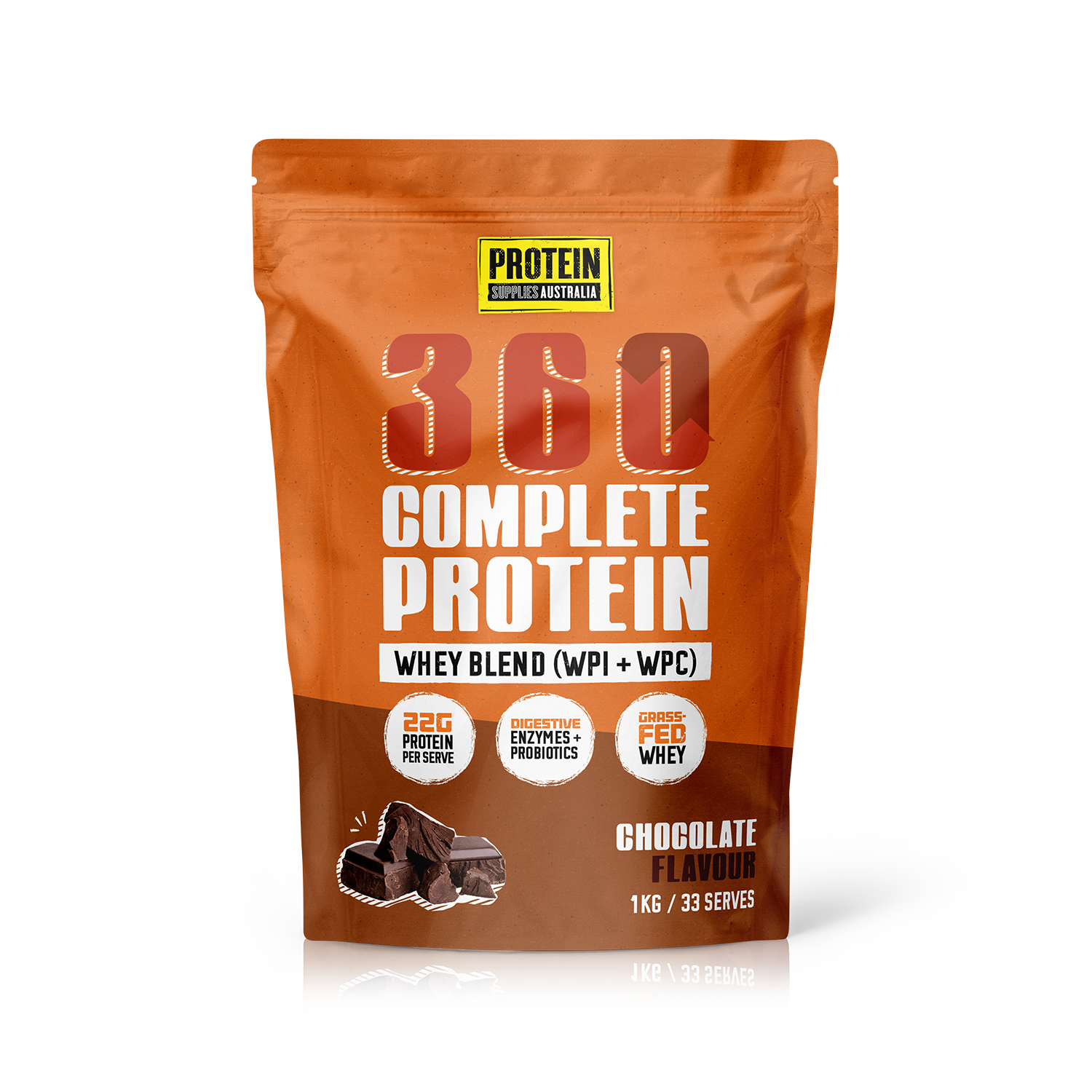
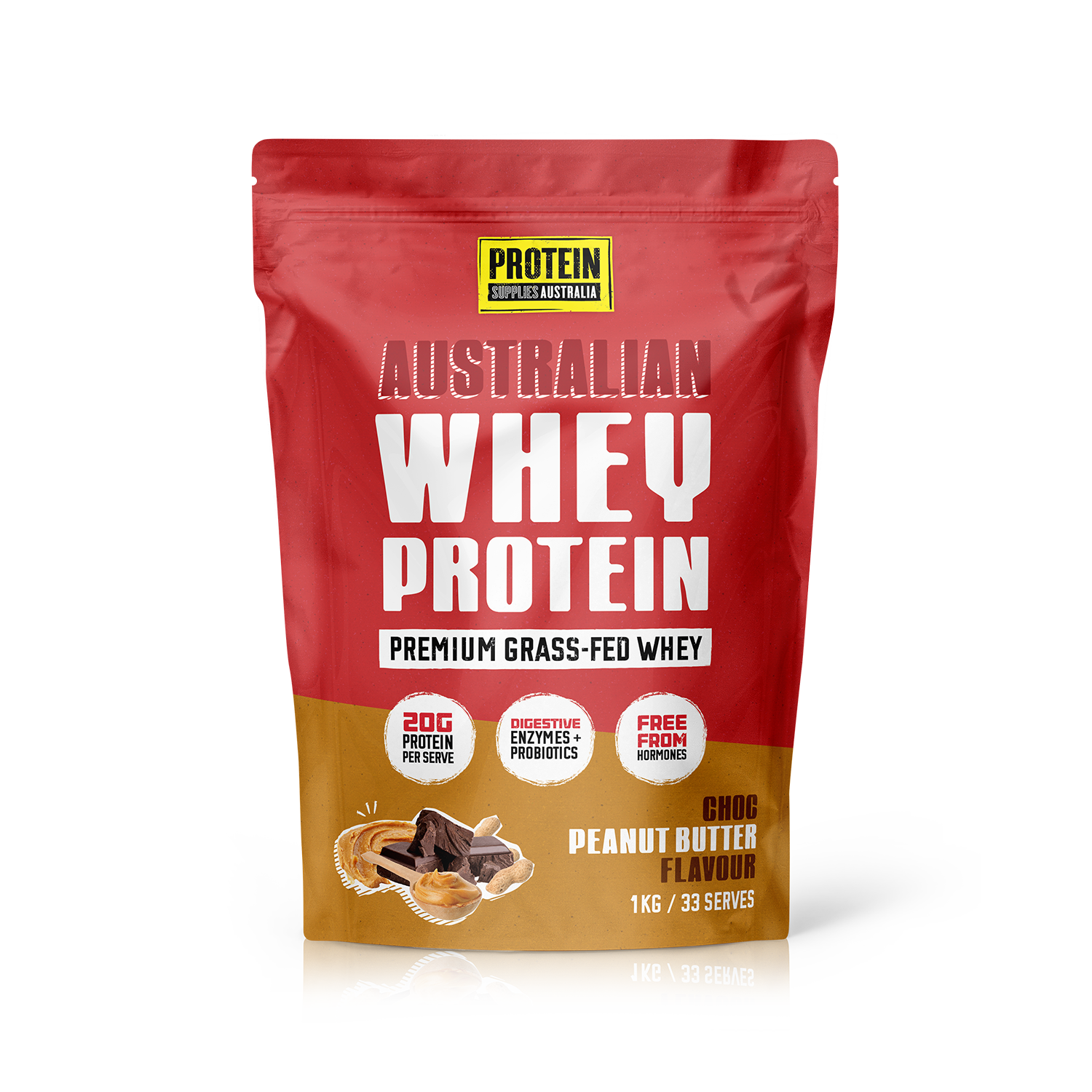
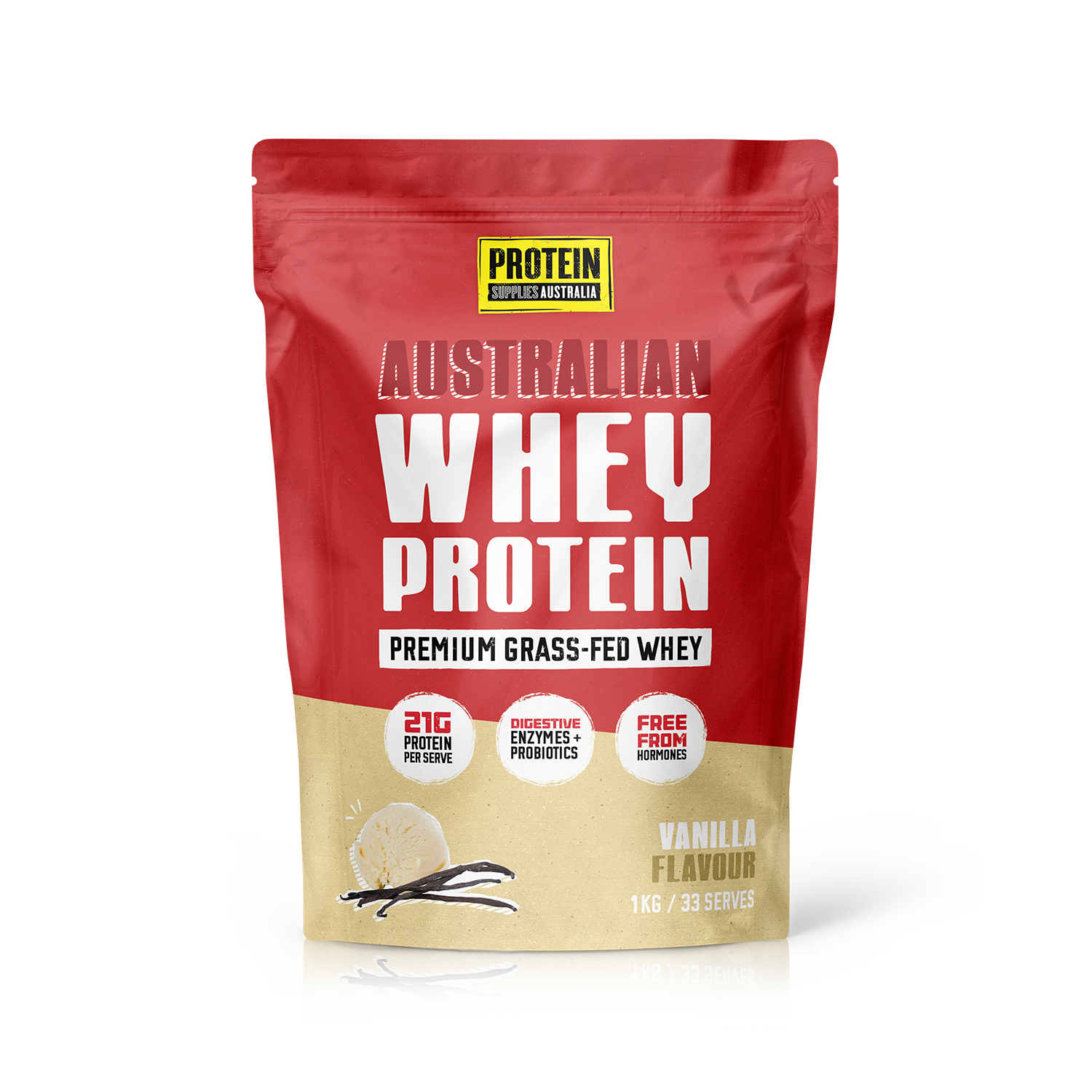
Whey Protein Powder — Fast, convenient post-workout option
Collagen Peptides — Great for joint health and skin
Plant-Based Protein — Perfect for vegan diets
Egg White Protein — Clean, simple protein source
Casein Protein — Slow-digesting, ideal before bed
Protein Snacks — Convenient between meals
Useful Sources
- Dietitians Australia — Protein — Official Australian dietitian guidance on protein requirements
- Eat for Health — Protein — Government nutrition reference values
- Better Health Channel — Protein — Victorian health authority information
- Healthdirect — Protein — Australian health information service
- Australian Institute of Fitness — Protein Guide — Fitness-specific protein recommendations
- NHMRC — Australian Dietary Guidelines — Official national health guidelines
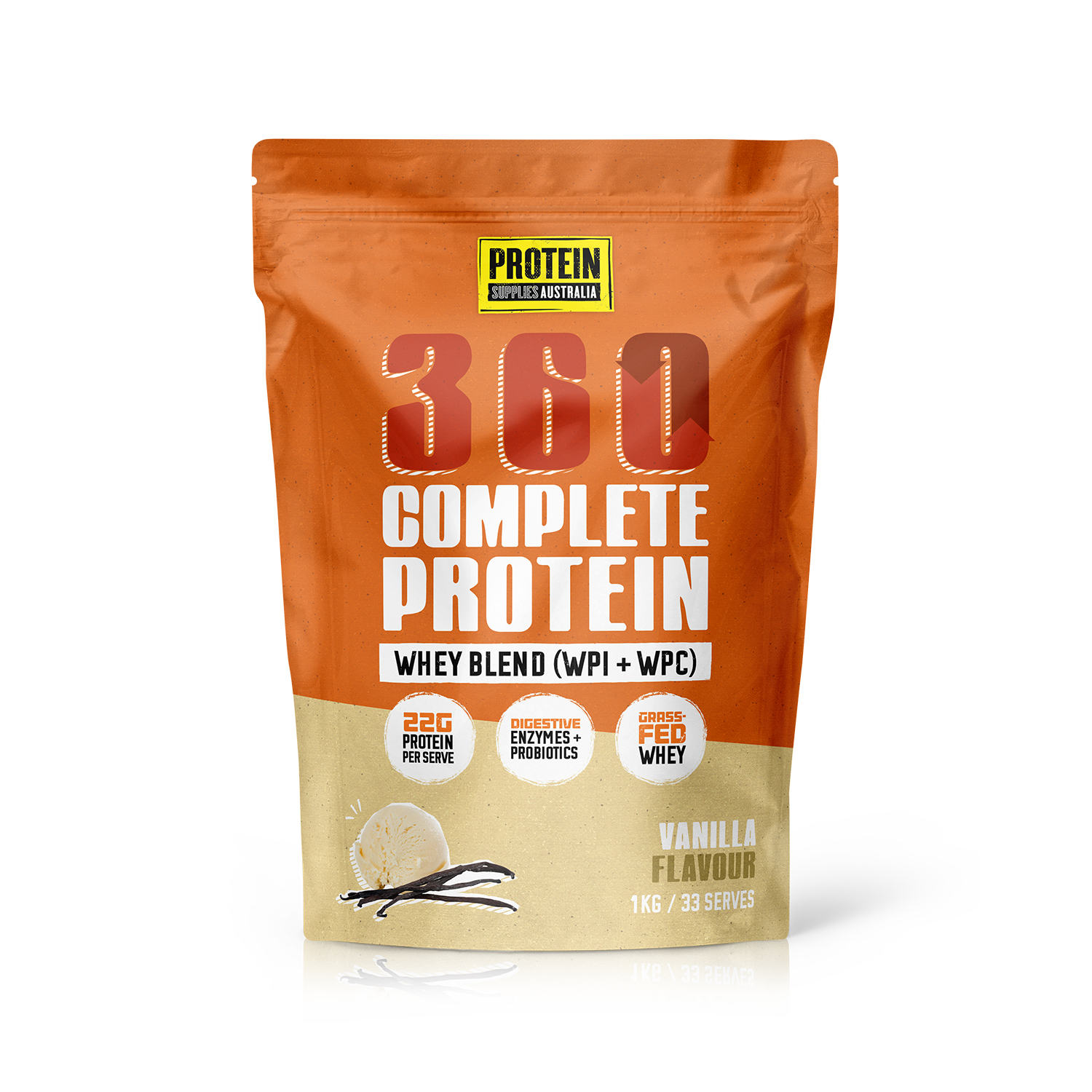
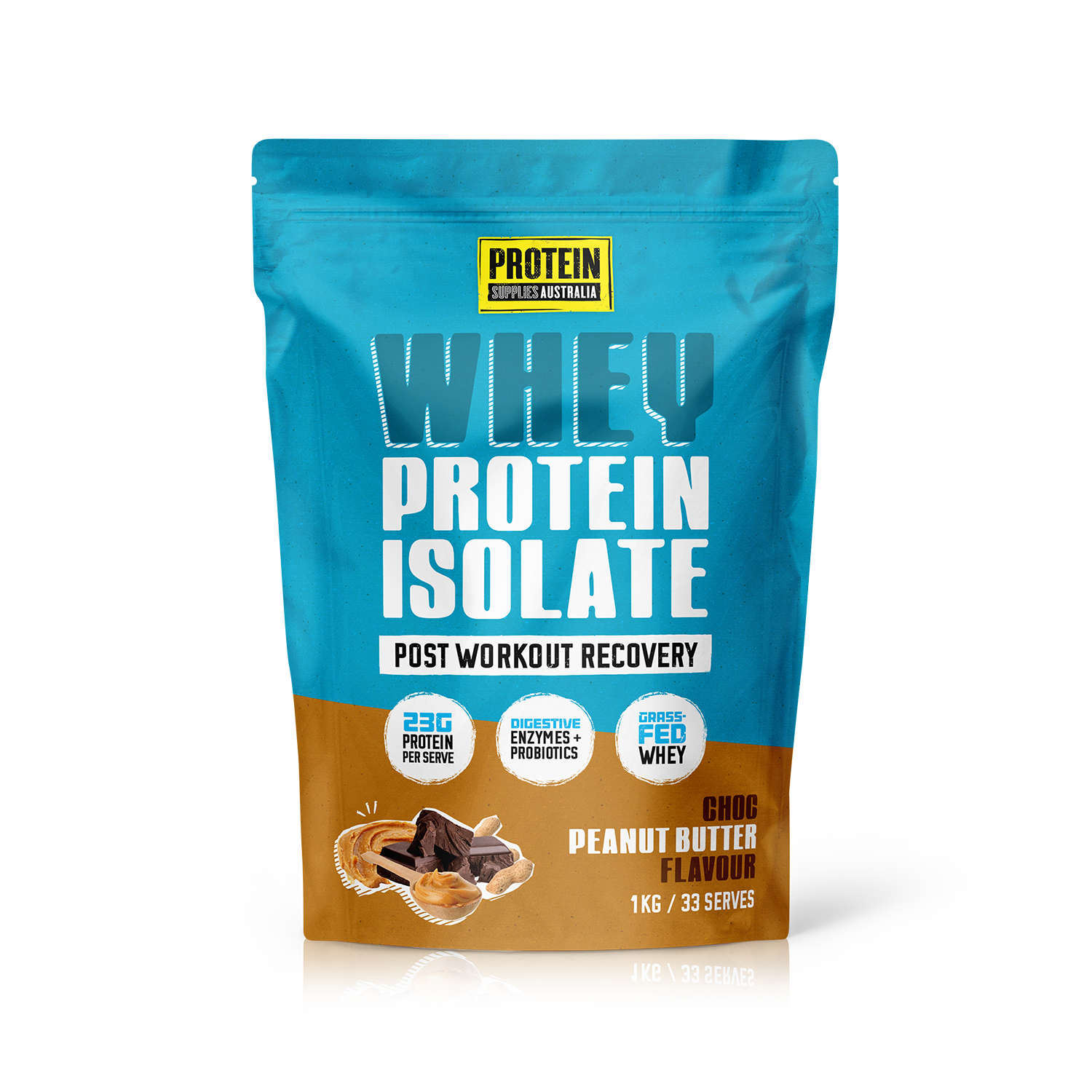
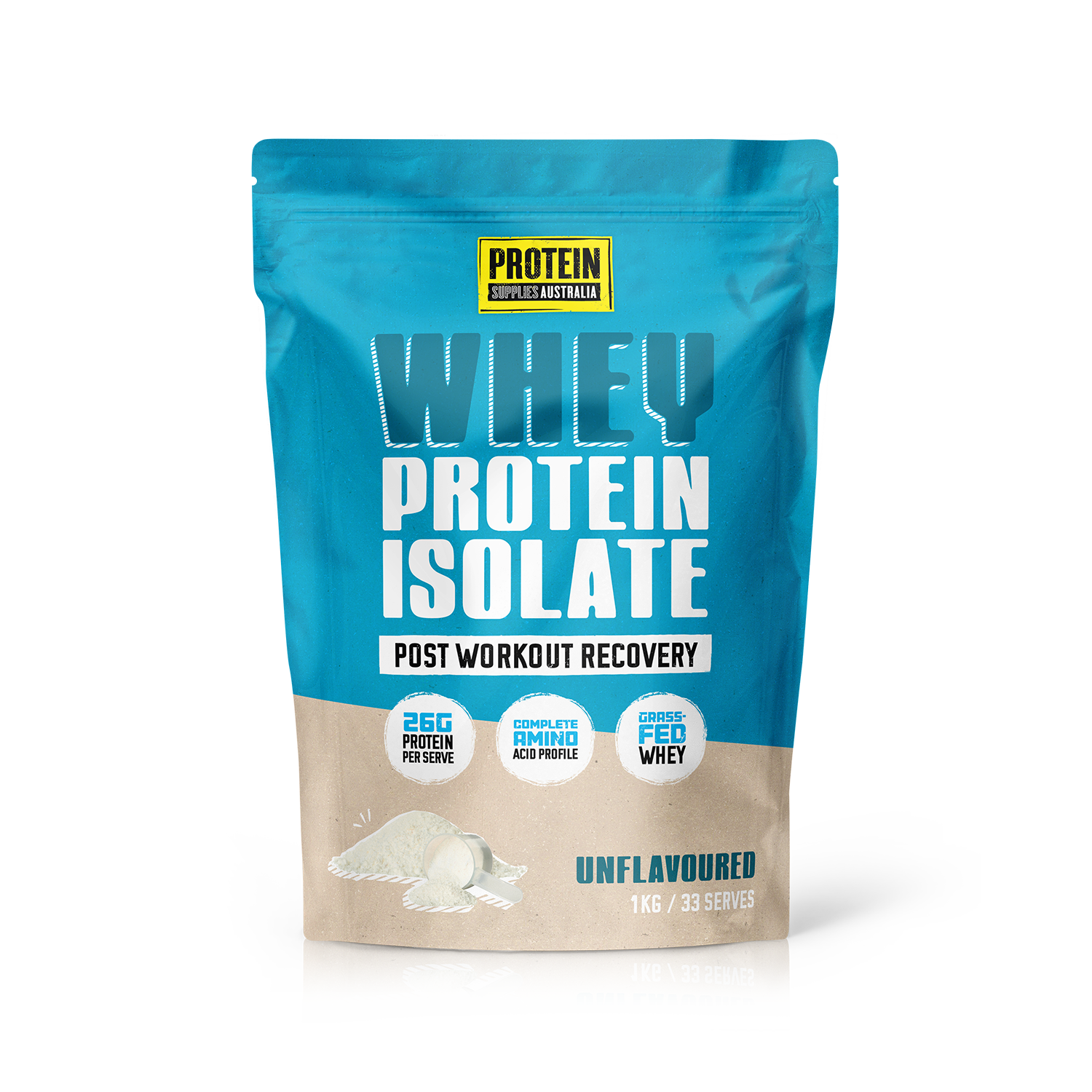
Whey Protein Isolate Australia: Why WPI Pure Beats the Rest?
Benefits of Branched Chain Amino Acids