
Whey protein is fast-digesting (30-60 minutes), ideal for post-workout recovery and muscle building. Casein protein is slow-digesting (6-8 hours), perfect for sustained amino acid release and taking before bed.
Both are complete proteins with all 9 essential amino acids. Whey is better for immediate muscle protein synthesis; casein is better for preventing muscle breakdown during fasting periods. The best choice depends on your training schedule, goals, and when you take it.
What Are Whey and Casein Proteins?
Both whey and casein are complete proteins derived from milk, containing all 9 essential amino acids your body cannot produce on its own. However, they differ significantly in how your body processes them.

The Milk Connection
Milk contains approximately 80% casein and 20% whey protein. When milk is processed to make cheese, whey is the liquid byproduct left behind. Both proteins are then isolated and processed into powder supplements.
Head-to-Head Comparison
| Feature | Whey Protein | Casein Protein |
|---|---|---|
| Digestion Speed | 30-60 minutes | 6-8 hours |
| Amino Acid Profile | Complete (9 EAAs) | Complete (9 EAAs) |
| Leucine Content | High (11%) | Moderate (8%) |
| Best Timing | Post-workout | Before bed / between meals |
| Muscle Building | Excellent | Good |
| Muscle Preservation | Good | Excellent |
| Cost | Low-Moderate | Moderate-High |
| Taste | Generally better | Thicker, creamier |
| Mixability | Excellent | Good (thicker texture) |
| Satiety | Moderate | High (slower digestion) |
Digestion Speed: The Key Difference
Whey Protein: The Fast Absorber
Whey protein is rapidly absorbed into the bloodstream, reaching peak amino acid levels within 30-60 minutes of consumption. This fast absorption triggers a rapid spike in muscle protein synthesis — the process your body uses to build and repair muscle tissue.
Why it matters: The quick amino acid availability makes whey ideal immediately after training when your muscles are primed to absorb nutrients.
Casein Protein: The Slow Release
Casein forms a gel-like substance in your stomach, creating a slow, steady release of amino acids over 6-8 hours. This sustained amino acid delivery provides a constant supply of building blocks to your muscles throughout the day or night.
Why it matters: The prolonged amino acid availability makes casein excellent for preventing muscle breakdown during sleep or between meals.
Amino Acid Profiles
Whey Protein Advantages
Whey contains higher levels of leucine (approximately 11% of total amino acids), which is the primary amino acid that triggers muscle protein synthesis. This makes whey particularly effective for stimulating muscle growth immediately post-exercise.
Whey also contains high levels of:
- Cysteine — supports glutathione production (antioxidant)
- Branched-chain amino acids (BCAAs) — support muscle recovery
Casein Protein Advantages
Casein contains higher levels of glutamine and proline, which support:
- Immune function during intense training
- Gut health and intestinal barrier integrity
- Sustained muscle protein synthesis over longer periods
Muscle Building: Which Wins?
For Immediate Muscle Growth
Whey protein has a slight edge for immediate post-workout muscle building due to its higher leucine content and rapid absorption. Studies show that whey triggers a more pronounced spike in muscle protein synthesis within the first hour post-exercise.
For Sustained Muscle Preservation
Casein excels at preventing muscle breakdown (muscle protein breakdown) over extended periods. This is particularly valuable during sleep, fasting, or caloric deficit periods.
The verdict: For maximum muscle growth, you need both. Whey for the immediate post-workout stimulus, casein for the sustained anti-catabolic effect.
Digestion Types: WPI vs WPC vs Micellar Casein
Whey Protein Types
Whey Protein Isolate (WPI)
- 90%+ protein content
- Most lactose removed
- Fastest absorption
- Best for: post-workout, those sensitive to lactose
- Explore WPI options
- WPI Vanilla Bean
Whey Protein Concentrate (WPC)
- 70-80% protein content
- More lactose retained
- Slightly slower absorption than WPI
- Better taste and texture
- Best for: general use, muscle building, budget-friendly
- Browse WPC options
Casein Protein Type
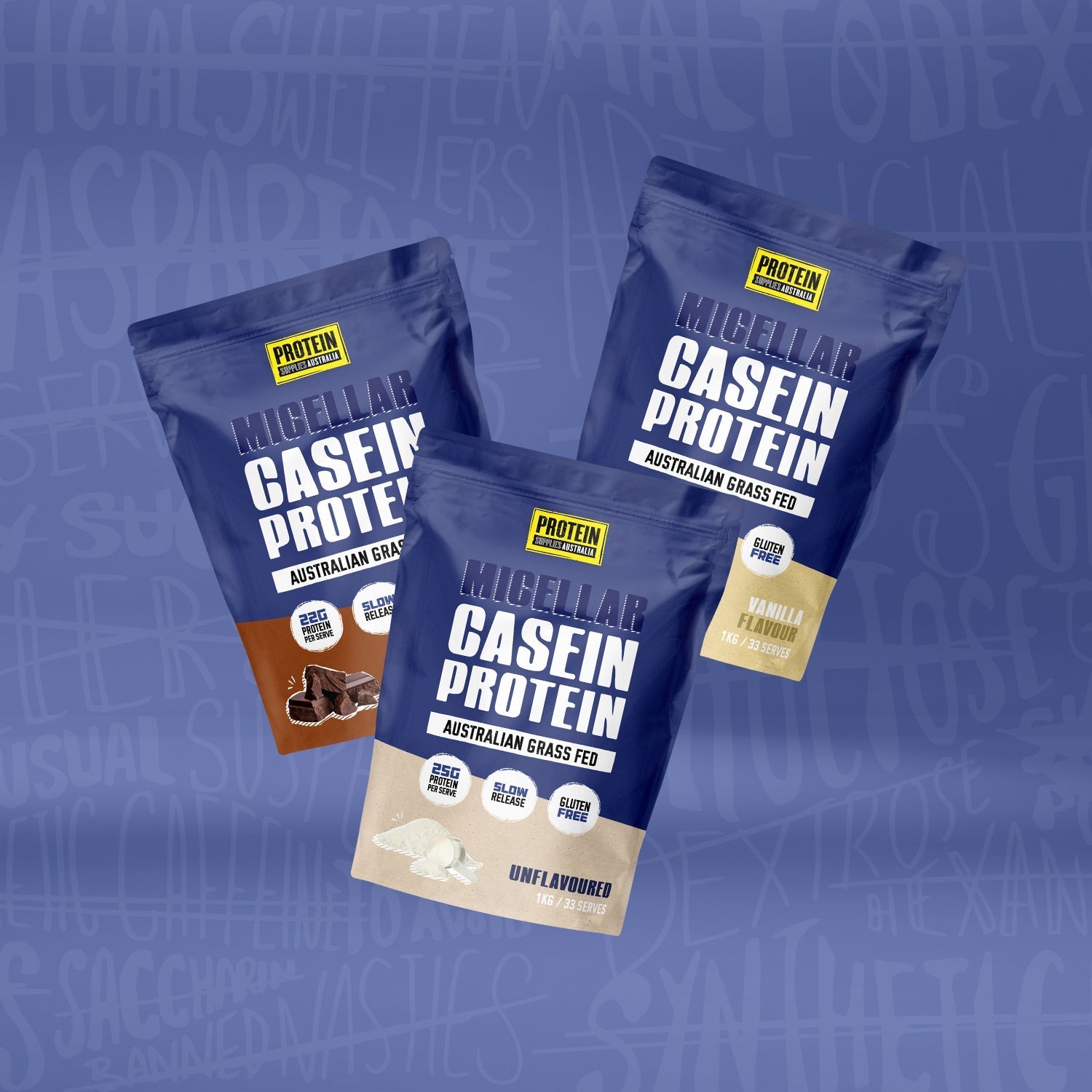
Micellar Casein
- Most common form of casein supplement
- Maintains natural casein structure
- Slow, steady digestion (6-8 hours)
- Creamy, pudding-like texture
- Best for: before bed, meal replacement, sustained nutrition
- Browse casein collection
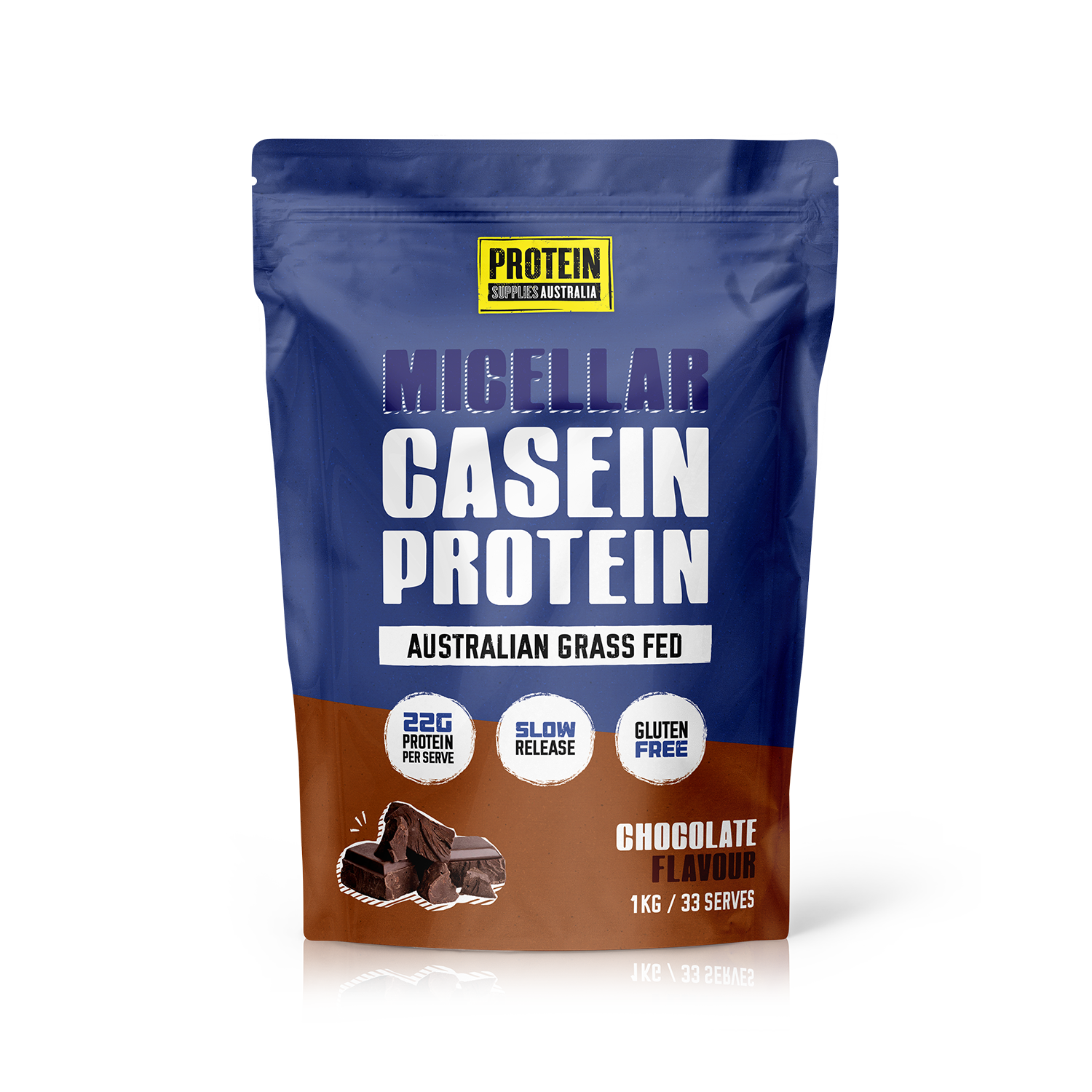
- Micellar Casein Chocolate
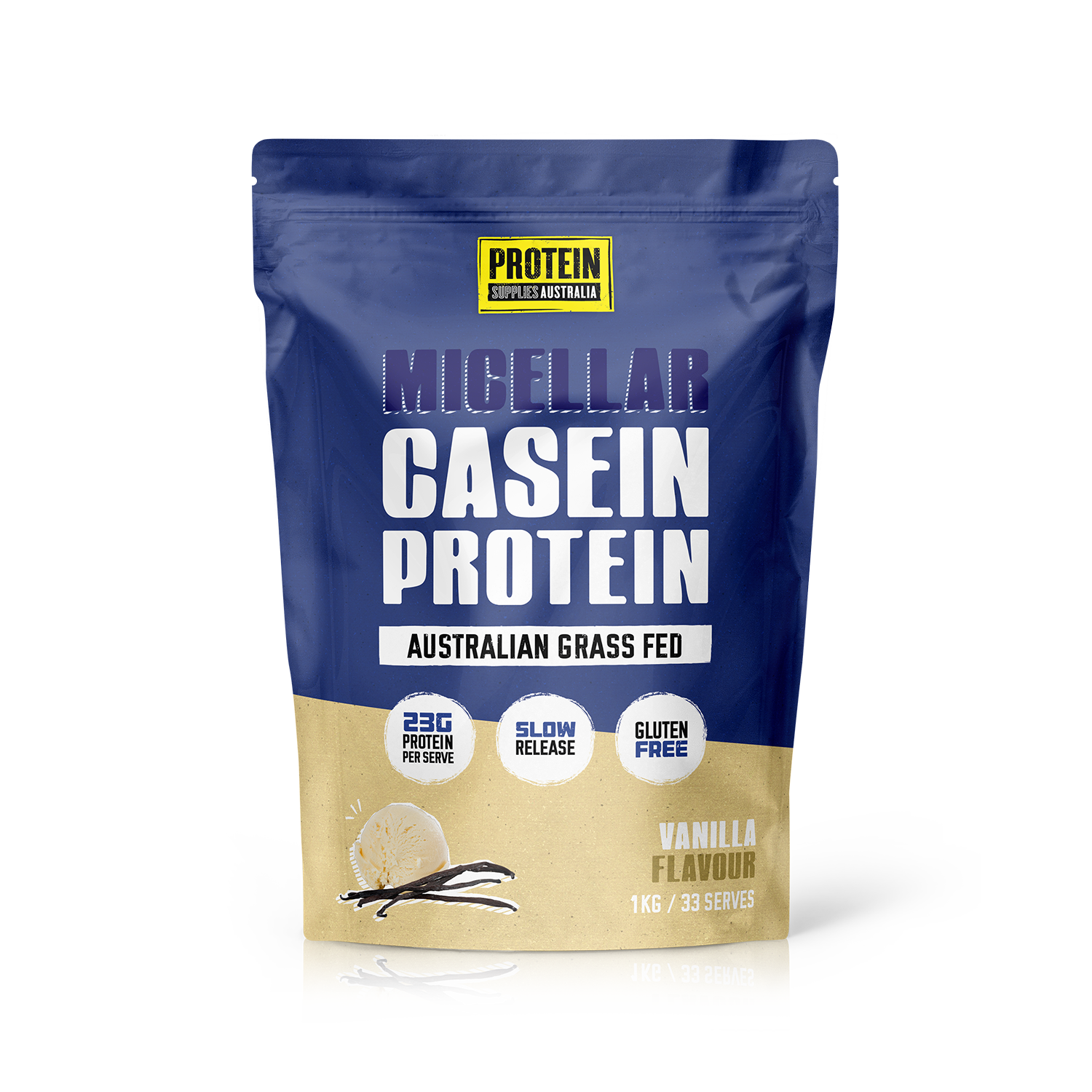
- Micellar Casein Vanilla
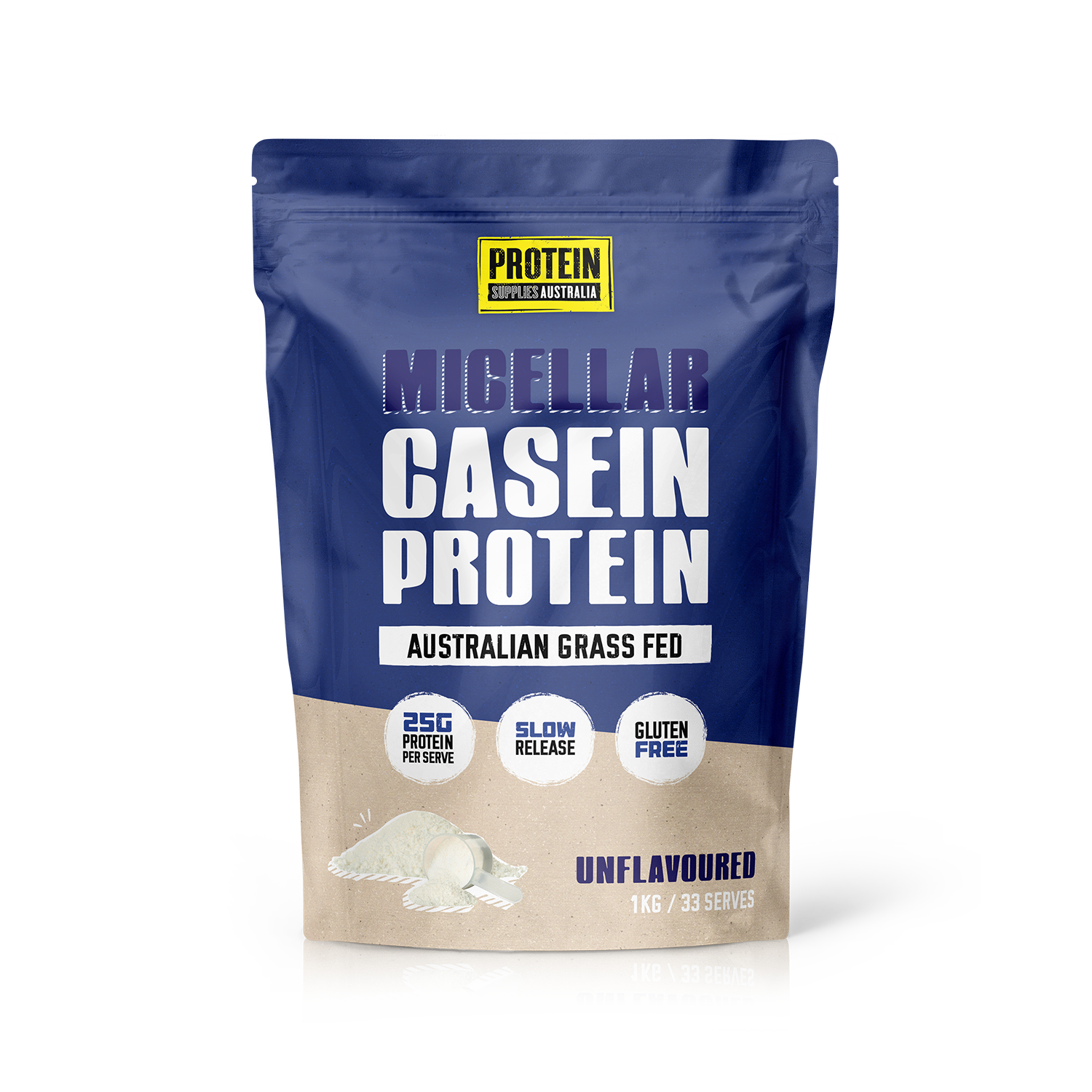
- Micellar Casein Pure
Optimal Timing: When to Take Each
Whey Protein Timing
Post-Workout Window (0-60 minutes)
- Muscles are primed for nutrient uptake
- Fast absorption matches your body's recovery needs
- Triggers maximum muscle protein synthesis
Other Times
- Breakfast (quick protein boost)
- Mid-morning snack
- Any time you need fast amino acids
Dosage: 20-40g per serving
Casein Protein Timing
Before Bed (30-60 minutes before sleep)
- Provides 6-8 hours of amino acid supply during sleep
- Prevents overnight muscle breakdown
- Supports muscle recovery during rest
Between Meals
- Sustained satiety (keeps you full longer)
- Steady amino acid availability
- Useful during caloric deficit
Dosage: 20-40g per serving
Muscle Building Comparison: The Research

Whey for Acute Muscle Protein Synthesis
Whey protein produces a rapid and pronounced increase in muscle protein synthesis immediately post-exercise. The high leucine content (11%) is particularly effective at activating mTOR, the primary signaling pathway for muscle growth.
Best for: Maximizing the post-workout anabolic window
Casein for Sustained Muscle Preservation
Casein reduces muscle protein breakdown over extended periods. While it doesn't produce as dramatic an acute spike in muscle protein synthesis as whey, its sustained amino acid delivery prevents muscle loss during fasting states.
Best for: Preventing muscle breakdown during sleep and between meals
Combined Approach (Optimal)
Research suggests that combining whey and casein provides superior results:
- Whey post-workout for immediate muscle protein synthesis
- Casein before bed for overnight muscle preservation
- This combination maximizes both muscle growth and muscle preservation
Cost Comparison
Whey Protein (Generally Cheaper)
- WPC: $15-25 per kg
- WPI: $25-40 per kg
- Better value for daily use
- Browse whey collection
- Australian Whey Protein Vanilla
- Whey Protein Bundle
- WPI Bundle
Casein Protein (Generally More Expensive)
- Micellar Casein: $25-40 per kg
- Premium pricing due to slower digestion and specialized processing
- Better value when used strategically (before bed only)
- Browse casein collection
- Casein Bundle
Budget Strategy: Use whey daily for post-workout and general use, casein 3-4 times per week before bed.
Taste & Mixability
Whey Protein
- Taste: Generally excellent, mixes smoothly
- Texture: Light, drinkable consistency
- Mixability: Excellent with just a shaker bottle
- Versatility: Works well in smoothies, baking, cooking
Casein Protein
- Taste: Rich, creamy flavor (like pudding)
- Texture: Thick, pudding-like consistency
- Mixability: Requires more liquid or blending
- Best consumed: Slowly sipped or blended into smoothies
- Versatility: Great as a meal replacement or dessert-like snack
Lactose Content & Digestive Tolerance
Whey Protein
- WPI: Minimal lactose (best for sensitive individuals)
- WPC: Moderate lactose (may cause bloating in sensitive people)
- Generally well-tolerated by most people
Casein Protein
- Contains lactose (similar to WPC)
- May cause bloating or digestive discomfort in lactose-sensitive individuals
- Slower digestion may cause mild digestive discomfort in some people
Tip: If you're lactose intolerant, choose WPI over WPC or casein.
Best Use Cases: Who Should Choose What?
Choose Whey Protein If You:
✅ Train regularly and want post-workout recovery
✅ Need a quick protein boost throughout the day
✅ Want the best value for daily protein intake
✅ Prefer a light, drinkable texture
✅ Are lactose sensitive (choose WPI)
✅ Want to maximise immediate muscle protein synthesis
✅ Train early morning and need fast digestion
Choose Casein Protein If You:
✅ Want to prevent muscle breakdown during sleep
✅ Are in a caloric deficit and need sustained satiety
✅ Prefer a creamy, pudding-like texture
✅ Want sustained amino acid delivery between meals
✅ Train late in the day and need overnight recovery
✅ Are older and want to preserve lean mass
✅ Can tolerate slower digestion
Choose Both If You:
✅ Are serious about muscle building
✅ Train multiple times per week
✅ Want to maximise both muscle growth and preservation
✅ Have the budget for two supplements
✅ Want optimal 24-hour amino acid coverage
Complete Protein Profiles
Whey Protein (per 25g serving)
| Nutrient | Amount |
|---|---|
| Protein | 20-25g |
| Carbs | 1-3g |
| Fat | 0.5-2g |
| Leucine | ~2.2g |
| BCAA | ~5.5g |
| Calories | 100-120 |
Casein Protein (per 25g serving)
| Nutrient | Amount |
|---|---|
| Protein | 20-24g |
| Carbs | 1-2g |
| Fat | 0.5-1.5g |
| Leucine | ~1.9g |
| Glutamine | ~2.1g |
| Calories | 100-115 |
Practical Recommendations
For Muscle Building (Hypertrophy)
Daily Protocol:
- Post-workout: 25-30g whey protein within 60 minutes
- Before bed: 25-30g casein protein
- Other meals: Whole food protein sources
Why: Whey maximizes post-workout muscle protein synthesis; casein prevents overnight breakdown.
For Weight Loss (Caloric Deficit)
Daily Protocol:
- Post-workout: 25-30g whey protein
- Mid-afternoon: 25-30g casein protein (high satiety)
- Before bed: 25-30g casein protein
Why: Casein's slow digestion keeps you fuller longer, reducing overall calorie intake.
For General Health & Fitness
Daily Protocol:
- Post-workout: 25-30g whey protein
- Breakfast or snack: 20-25g whey protein
- Before bed (optional): 25-30g casein protein
Why: Whey covers most daily needs; casein is optional but beneficial.
For Older Adults (Muscle Preservation)
Daily Protocol:
- Post-workout: 30-40g whey protein (higher leucine need)
- Before bed: 30-40g casein protein (prevent overnight loss)
- Spread throughout day: Additional whole food protein
Why: Older adults need more protein and benefit from both acute and sustained amino acid delivery.
Product Recommendations
Whey Protein Collection
- Browse all whey protein options
- WPI Pure — Best for lactose sensitivity
- WPI Vanilla Bean — Great taste
- WPC Pure — Best value
- Australian Whey Protein Vanilla — Made in Australia
- Whey Protein Bundle — Best value bundle
- WPI Bundle — Isolate bundle
Casein Protein Collection
- Browse all casein protein options
- Micellar Casein Chocolate — Rich flavor
- Micellar Casein Vanilla — Smooth taste
- Micellar Casein Pure — Unflavored
- Casein Bundle — Best value casein
Useful Sources
- Dietitians Australia — Protein — Official Australian dietitian guidance on protein types
- Better Health Channel — Protein — Victorian health authority information on protein
- Healthdirect — Protein Supplements — Australian health information on supplements
- NHMRC — Nutrient Reference Values — Official Australian nutrition guidelines
- Eat for Health — Protein — Government nutrition reference values
Benefits of Branched Chain Amino Acids
How to Choose the Right Hydration Powder for Your Goals