

Bovine colostrum is the first milk a cow produces in the 24–48 hours after calving. It's not regular milk - it's a dense, bioactive fluid loaded with immunoglobulins, growth factors, and antimicrobial proteins that exist at concentrations far higher than anything found in standard dairy. Humans have been consuming it for centuries, and over the past two decades a solid body of clinical research has explored what it can actually do for adults.
This guide covers what colostrum is, what the research genuinely supports, how to dose it for specific goals, what to look for on Australian labels, and who should avoid it altogether.
What Is Colostrum?
Colostrum - sometimes called "liquid gold" for its characteristic yellow colour - is the pre-milk fluid secreted by the mammary glands of all mammals immediately after birth. Its primary biological purpose is to transfer passive immunity and growth signals to the newborn before the mother's regular milk comes in.
In supplement form, bovine colostrum (from cows) is collected within the first 24–48 hours post-calving, pasteurised at low temperatures to preserve bioactive proteins, and spray-dried into a powder or encapsulated. Australia is one of the world's leading producers, with strict food safety standards governing collection and processing.
Bovine Colostrum vs. Human Colostrum
Human and bovine colostrum share the same core architecture - immunoglobulins, lactoferrin, growth factors, and oligosaccharides - but the concentrations differ markedly. Bovine colostrum contains significantly higher levels of IgG (the dominant immunoglobulin) than human colostrum, which is richer in IgA. This makes bovine colostrum particularly interesting as a supplement: the sheer volume of bioactive compounds per gram is much greater than what human breast milk provides.
Importantly, bovine colostrum's growth factors - particularly IGF-1 and IGF-2 - are structurally similar enough to human equivalents that research suggests they can exert biological effects in adult humans.
What Makes Bovine Colostrum Different from Regular Milk?
Regular cow's milk is designed to sustain a calf over months of growth. Colostrum is designed to do something different: prime an immune system and seal a gut in the first hours of life. The differences are stark:
-
Protein: Colostrum contains roughly 2–5× more protein per 100 mL than regular milk
-
Immunoglobulins: IgG concentrations in colostrum can reach 50–150 mg/mL vs. trace amounts in regular milk
-
Lactoferrin: Up to 10× higher in colostrum
-
IGF-1: Substantially elevated in early colostrum vs. mature milk
-
Lactose: Lower in colostrum than in regular milk - relevant for those with lactose sensitivity
Key Bioactive Components in Bovine Colostrum
|
Component |
Role |
|---|---|
|
IgG, IgA, IgM (immunoglobulins) |
Antibodies that neutralise pathogens |
|
Lactoferrin |
Antimicrobial, antiviral, iron-binding protein |
|
IGF-1 & IGF-2 |
Insulin-like growth factors; support tissue repair and gut integrity |
|
EGF (epidermal growth factor) |
Stimulates cell growth and gut lining repair |
|
Proline-rich polypeptides (PRPs) |
Immune-modulating peptides |
|
Lysozyme |
Enzyme that breaks down bacterial cell walls |
|
Oligosaccharides |
Prebiotic fibres that feed beneficial gut bacteria |
Nutritional Profile of Bovine Colostrum
The table below compares key components in bovine colostrum (first milking) against regular whole cow's milk. Values are approximate and vary by breed, feed, and collection timing.
|
Nutrient / Bioactive |
Bovine Colostrum (per 100 mL) |
Regular Cow's Milk (per 100 mL) |
|---|---|---|
|
Protein |
14–18 g |
3.2 g |
|
IgG |
50–150 mg |
<0.1 mg |
|
Lactoferrin |
1,500–5,000 mg |
100–300 mg |
|
IGF-1 |
200–2,000 ng |
2–10 ng |
|
Fat |
6–7 g |
3.5 g |
|
Lactose |
2–3 g |
4.7 g |
|
Vitamin A |
High (carotenoids) |
Moderate |
|
Zinc |
~4× higher |
Baseline |
|
Magnesium |
Elevated |
Baseline |
The key takeaway: colostrum is not a protein supplement in the conventional sense. Its value lies in the immunoglobulin and growth factor density, not its macronutrient profile. That distinction matters when comparing it to whey.
Health Benefits of Bovine Colostrum
The colostrum benefits that have the strongest human clinical evidence cluster around three areas: immune support, gut health, and sports performance. Other potential benefits - weight management, skin health, antimicrobial effects - have supporting data but need more robust human trials.
Immune System Support
Bovine colostrum's immune system credentials are its most studied feature. The mechanism is straightforward: IgG and IgA antibodies in colostrum can bind to pathogens in the gut and respiratory tract before they establish infection. Lactoferrin adds another layer by directly disrupting bacterial membranes and sequestering iron that pathogens need to replicate.
Research suggests these effects are especially pronounced in people under physical stress. A 12-week study in 35 adult distance runners found that daily bovine colostrum supplementation increased salivary IgA antibodies by 79% compared to baseline - a meaningful marker of mucosal immune defence against upper respiratory tract infections.
A separate study in 29 male cyclists taking 10 g of bovine colostrum per day for 5 weeks found it prevented the post-exercise drop in immune cells and reduced upper respiratory infection symptoms compared to placebo.
For everyday immune support outside of sport, the evidence is promising but less definitive. Bovine colostrum's hyperimmune variant - produced from cows vaccinated against specific bacterial strains - shows particularly strong results. In a study of 30 healthy adults, those taking 1,200 mg/day of hyperimmune bovine colostrum were 90% less likely to develop traveller's diarrhoea caused by E. coli than those on placebo.
Gut Health and Intestinal Permeability
This is arguably where the most compelling bovine colostrum gut health data sits. The gut lining - a single-cell-thick barrier - is remarkably vulnerable to damage from intense exercise, NSAIDs, stress, and inflammatory conditions. When it's compromised, the result is increased intestinal permeability, commonly called "leaky gut," where bacterial fragments and undigested proteins pass into the bloodstream and trigger systemic inflammation.
Bovine colostrum addresses this through multiple mechanisms: IGF-1 and EGF stimulate intestinal cell proliferation and repair, lactoferrin has direct antimicrobial action in the gut, and oligosaccharides act as prebiotics to support a healthy microbiome.
The numbers are striking. A study in 12 athletes susceptible to exercise-induced gut damage found that 20 g/day of bovine colostrum prevented 80% of the increase in intestinal permeability seen in the placebo group. That's a significant protective effect for anyone training hard.
There's also evidence for inflammatory bowel conditions. A study in 14 adults with colitis found that bovine colostrum enemas, used alongside standard medication, reduced symptoms more than medication alone. And in 87 adults with HIV-related diarrhoea, adding 100 g/day of bovine colostrum to standard anti-diarrhoeal treatment reduced stool frequency by 21% more than medication alone.
For those interested in complementary gut support, L-glutamine for gut health and collagen for gut health are two other evidence-backed approaches worth exploring alongside colostrum.
Sports Performance and Muscle Recovery
Bovine colostrum has been studied in athletes for two distinct reasons: its immune-protective effects during heavy training, and its potential to enhance body composition and recovery through IGF-1 and growth factor activity.
The immune protection angle has solid support (see above). The performance angle is more nuanced. IGF-1 in bovine colostrum is a genuine growth factor - it stimulates muscle protein synthesis and supports tissue repair. However, oral IGF-1 is largely degraded during digestion, and studies on blood IGF-1 levels after supplementation show inconsistent results. The more likely mechanism is local action in the gut, where growth factors may improve nutrient absorption and reduce exercise-induced gut permeability, indirectly supporting recovery.
Practically, the cyclists study (10 g/day, 5 weeks) showed immune benefits during training blocks. Other research suggests colostrum may help maintain lean mass during periods of caloric restriction or high training loads. It's a useful addition to a broader muscle recovery supplements strategy, particularly for endurance athletes who are prone to gut issues and upper respiratory infections during peak training.
For recovery supplements that complement colostrum, look at the broader picture of post-training nutrition rather than expecting colostrum alone to drive performance gains.
Potential Benefits for Weight Management
The weight loss angle is real but modest. IGF-1 and growth factors in bovine colostrum may support lean mass preservation during caloric restriction - which matters because losing muscle alongside fat is a common problem with aggressive dieting. Some research suggests colostrum supplementation may help maintain or slightly increase lean body mass compared to placebo, particularly when combined with resistance training.
There's no evidence that bovine colostrum burns fat directly. The mechanism, if any, is about preserving muscle mass and potentially improving metabolic efficiency - not acting as a fat burner. Anyone marketing it as a weight loss miracle is overstating the evidence.
Skin Health and Anti-Ageing
Bovine colostrum contains EGF, IGF-1, and other peptide growth factors that play a role in skin cell turnover, collagen synthesis, and wound healing. Some research suggests topical and oral colostrum may support skin hydration and elasticity, and there's interest in its role in reducing exercise-induced skin damage.
The evidence here is less robust than for gut and immune outcomes. If skin health is a priority, collagen peptides for skin have a stronger and more specific evidence base. Colostrum's skin benefits are likely a secondary effect of its broader growth factor activity.
Antimicrobial and Antiviral Properties
Lactoferrin - one of colostrum's most abundant proteins - has well-documented antimicrobial and antiviral properties. It disrupts bacterial cell membranes, binds iron that pathogens need to replicate, and has shown activity against a range of viruses including influenza and rotavirus in laboratory studies.
Hyperimmune bovine colostrum (from vaccinated cows) takes this further, producing targeted antibodies against specific pathogens. This is an active area of research, particularly for gastrointestinal infections in immunocompromised populations.
What Does the Research Say?
The honest answer: the evidence is promising and growing, but it's not yet at the level of definitive clinical proof for most applications. MD Anderson's wellness dietitian Lindsey Wohlford put it plainly in 2024: "Further studies are needed, and more robust data collected, before a clear recommendation can be made on usage."
That's a fair assessment - and it's worth taking seriously. Here's what the research actually shows with specific numbers:
-
79% increase in salivary IgA in 35 distance runners over 12 weeks (immune support)
-
80% reduction in exercise-induced intestinal permeability in 12 athletes taking 20 g/day
-
90% reduction in traveller's diarrhoea risk in 30 adults taking hyperimmune colostrum (1,200 mg/day)
-
21% greater reduction in stool frequency in 87 HIV patients taking 100 g/day alongside standard treatment
-
Immune cell preservation in 29 cyclists taking 10 g/day for 5 weeks
Most studies are small. Most are short-term. The doses vary widely. And many of the most dramatic results come from specific populations - elite athletes, immunocompromised patients - rather than healthy adults taking a standard supplement dose.
What we can say with confidence: bovine colostrum is not a placebo. The bioactive compounds are real, the mechanisms are plausible, and the clinical signals in gut health and immune function are consistent enough to take seriously. It's just not a cure-all, and anyone claiming otherwise is selling something.
Bovine Colostrum Side Effects and Who Should Avoid It
Bovine colostrum is generally well-tolerated, but it's not without caveats.
Common Side Effects
Most people who experience bovine colostrum side effects report mild, transient digestive symptoms when they first start:
-
Bloating and gas - particularly in the first week
-
Nausea - usually dose-dependent and resolves with food
-
Loose stools - more common at higher doses (20+ g/day)
-
Mild cramping - typically settles within a few days
These effects are usually self-limiting. Starting at a lower dose (5 g/day) and building up over 1–2 weeks reduces the likelihood of digestive discomfort.
Who Should Not Take Bovine Colostrum?
Some groups should avoid bovine colostrum or consult a healthcare professional before use:
-
People with a cow's milk allergy - colostrum contains casein and whey proteins that can trigger allergic reactions. This is a hard contraindication.
-
People with severe lactose intolerance - colostrum contains lactose (though less than regular milk). Those with severe intolerance may still react.
-
Pregnant and breastfeeding women - safety data is insufficient. Avoid until more research is available.
-
People with hormone-sensitive conditions - IGF-1 in colostrum is a growth factor. While oral absorption is limited, those with hormone-sensitive cancers (breast, prostate) should discuss with their oncologist before use.
-
Immunocompromised individuals - while colostrum may support immune function, those on immunosuppressive medications should seek medical advice first.
-
Competitive athletes subject to anti-doping testing - colostrum is not banned by WADA, but some products may contain contaminants. Choose tested, certified products.
Always consult a qualified healthcare professional before starting colostrum supplementation if you have an existing medical condition.
Is Bovine Colostrum Safe for Lactose Intolerant People?
This is one of the most common questions about bovine colostrum lactose intolerance. The short answer: it depends on severity.
Bovine colostrum contains less lactose than regular milk (approximately 2–3 g per 100 mL vs. 4.7 g in regular milk). Many people with mild to moderate lactose intolerance tolerate it without issue, especially at standard supplement doses of 10–20 g/day where the actual lactose load is small.
Those with severe lactose intolerance or a diagnosed cow's milk allergy should avoid it. If you're unsure, start with a very small dose (2–3 g) and monitor your response before increasing.
How to Take Bovine Colostrum Supplements
Dosage Guide by Goal
There's no single universally agreed dose - study protocols vary widely. Here's a practical guide based on the clinical literature:
|
Goal |
Suggested Daily Dose |
Duration |
|---|---|---|
|
General immune support |
5–10 g/day |
Ongoing or seasonal |
|
Gut health / intestinal permeability |
10–20 g/day |
4–12 weeks minimum |
|
Sports performance / immune protection |
10–20 g/day |
4–8 weeks during heavy training |
|
Traveller's diarrhoea prevention |
1–1.2 g/day (hyperimmune) |
During travel period |
|
General wellness |
5 g/day |
Ongoing |
Note that many commercial products recommend 1–2 g/day, which is well below the doses used in most clinical studies. If you're targeting a specific outcome - particularly gut health or sports performance - the evidence points to 10–20 g/day as the effective range.
Powder vs. Capsules: Which Is Better?
Both forms work, but they have practical differences:
Powder is more flexible for hitting higher doses (10–20 g/day), easier to mix into smoothies or water, and typically more cost-effective per gram. It's the preferred format for gut health and sports performance goals.
Capsules are convenient for lower-dose general wellness use (2–5 g/day) and travel. They're easier to take consistently but expensive at higher doses.
For most people targeting meaningful outcomes, bovine colostrum powder is the practical choice - it's easier to dose accurately and more economical at therapeutic amounts.
When to Take Colostrum
Timing matters more than many people realise. The general recommendation:
-
Take on an empty stomach - at least 30 minutes before meals or 2 hours after. Stomach acid is lower when fasting, which may help preserve more bioactive proteins through digestion.
-
Morning or pre-workout are the most common timing choices
-
Mix with cool or room-temperature water - heat above 40°C can denature the proteins. Don't add it to hot coffee or tea.
-
Consistency is key - most studies showing benefits ran for 4–12 weeks. Short-term use is unlikely to produce meaningful results.
How to Choose a Quality Bovine Colostrum Supplement in Australia
Australia is actually well-positioned here. The Therapeutic Goods Administration (TGA) has a compositional guideline for bovine colostrum powder used in listed medicines, requiring a minimum of 10% w/w IgG and sourcing from Australian herds or BSE-free countries registered for human milk production.
That's a useful floor, but here's what to look for beyond the minimum:
IgG concentration This is the most important quality marker. Look for products that state IgG content on the label - ideally ≥20% IgG for a premium product. Verify it's tested by an independent laboratory using radial immunodiffusion (RID) or ELISA methods, not just claimed on the label.
First-milking collection The highest concentrations of immunoglobulins and growth factors are in the first 6–12 hours post-calving. Products specifying "first milking" or "early colostrum" will typically have superior bioactive profiles to those collected over a broader window.
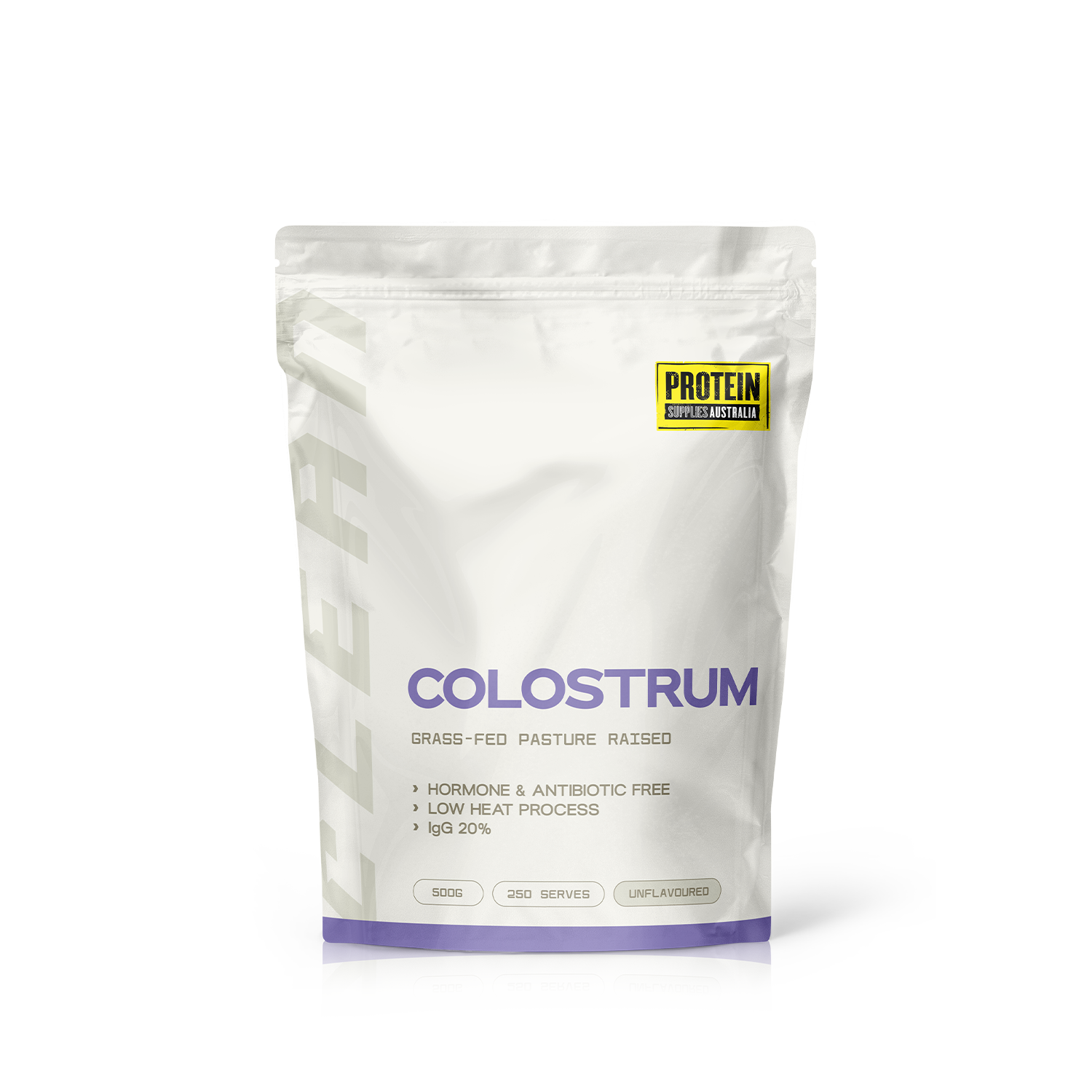
Grass-fed, pasture-raised sourcing Australian dairy herds are predominantly pasture-fed, which is a genuine quality signal - not just marketing. Pasture-raised cows tend to produce colostrum with better fatty acid profiles and fewer antibiotic/pesticide residues. Look for suppliers who can trace their colostrum to specific Australian farms.
Low-temperature processing Spray-drying at low temperatures preserves more bioactive proteins than high-heat processing. Look for "cold-processed" or "low-heat" on the label.
No unnecessary fillers The primary ingredient should be colostrum - not whey protein, maltodextrin, or other bulking agents that dilute the immunoglobulin content.
Batch testing and transparency Reputable Australian manufacturers will provide batch-specific certificates of analysis. If a brand can't tell you the IgG content of the specific batch you're buying, look elsewhere.
For a deeper dive into what to look for in colostrum supplements, our colostrum benefits guide covers sourcing and quality markers in more detail.
Bovine Colostrum vs. Whey Protein: Are They the Same?
No. They're fundamentally different products that serve different purposes - and confusing them is one of the most common misunderstandings about colostrum.
|
|
Bovine Colostrum |
Whey Protein |
|---|---|---|
|
Primary purpose |
Immune support, gut health, growth factors |
Muscle protein synthesis |
|
Key compounds |
IgG, lactoferrin, IGF-1, EGF |
Leucine, BCAAs, complete amino acid profile |
|
Protein content |
Moderate (varies by product) |
High (70–90% protein) |
|
Lactose |
Low–moderate |
Low (isolate) to moderate (concentrate) |
|
Cost per gram |
Higher |
Lower |
|
Best for |
Gut integrity, immune function, recovery support |
Post-workout muscle repair, daily protein targets |
Whey protein is the better choice if your primary goal is hitting daily protein targets and supporting muscle protein synthesis. Colostrum is the better choice if you're targeting gut health, immune function, or want the growth factor profile. They're not interchangeable, but they're also not mutually exclusive - many athletes use both.
If you're comparing options across protein powder categories, the key question is: what's your primary goal? For muscle building, whey wins on protein density and cost. For gut and immune support, colostrum's bioactive profile is in a different category entirely.
Useful Sources
-
Playford RJ, Weiser MJ. Bovine Colostrum: Its Constituents and Uses. Nutrients. 2021;13(1):265. PMC7831509
-
Healthline: What Is Colostrum? Nutrition, Benefits, and Downsides
-
TGA Compositional Guideline: Bovine Colostrum Powder
-
MD Anderson Cancer Center: A Dietitian's Take on Colostrum Supplements
-
Shing CM et al. Effects of bovine colostrum supplementation on immune variables in highly trained cyclists. J Appl Physiol. 2007. PubMed 17095643
-
Marchbank T et al. Pancreatic secretory trypsin inhibitor is a major motogenic and protective factor in human breast milk. Am J Physiol Gastrointest Liver Physiol. 2011. PubMed 21148400
Top 25 Delicious Recipes Using Protein Powder to Boost Your Nutrition
Plant Based Protein vs Whey: Which Is Best for Your Fitness Goals?