Most people need 1.6–2.2g of protein per kilogram of body weight daily to build muscle effectively. For a 70kg person, that's roughly 112–154g per day. Combine adequate protein intake with resistance training, proper recovery, and whole foods. Protein supplements like whey isolate or plant-based options can help you hit your daily targets conveniently.

Building muscle requires more than just hitting the gym. Protein is the building block of muscle tissue, and getting the right amount is crucial for recovery, growth, and strength gains. But how much protein do you actually need? The answer depends on several factors—your body weight, training intensity, and fitness goals.
This guide breaks down the science of protein for muscle building and shows you practical ways to meet your daily targets.
How Much Protein Do You Need for Muscle Building?
The General Recommendation
The evidence-based guideline for muscle building is 1.6–2.2g of protein per kilogram of body weight per day.
Here's what that looks like in practice:
| Body Weight | Daily Protein Intake |
|---|---|
| 60 kg (132 lbs) | 96–132g |
| 70 kg (154 lbs) | 112–154g |
| 80 kg (176 lbs) | 128–176g |
| 90 kg (198 lbs) | 144–198g |
| 100 kg (220 lbs) | 160–220g |
Why this range? The lower end (1.6g/kg) works for most people doing regular resistance training. The higher end (2.2g/kg) is beneficial if you're:
- Training intensely 4–5+ days per week
- In a calorie deficit (cutting fat while preserving muscle)
- New to strength training and building muscle quickly
Key Factors That Affect Your Protein Needs
1. Training Intensity & Frequency
More intense and frequent training = higher protein needs. If you're doing heavy resistance training 4+ times per week, aim for the higher end of the range (2.0–2.2g/kg).
2. Your Fitness Level
- Beginners: 1.6–1.8g/kg is usually sufficient
- Intermediate/Advanced: 1.8–2.2g/kg for optimal muscle growth
3. Calorie Intake
If you're eating in a calorie deficit (trying to lose fat), increase protein to 2.0–2.2g/kg to preserve muscle mass while losing weight.
4. Age
Older adults (50+) may benefit from slightly higher protein intake (2.0–2.2g/kg) to combat age-related muscle loss.
5. Recovery & Sleep
Protein alone won't build muscle without adequate sleep (7–9 hours) and recovery time between workouts.
The Science: Why Protein Matters for Muscle Building
Muscle Protein Synthesis
When you lift weights, you create micro-tears in muscle fibers. Your body repairs these tears through a process called muscle protein synthesis (MPS). Protein provides the amino acids needed for this repair process, allowing muscles to grow back stronger.

Without enough protein, your muscles can't recover and grow effectively—no matter how hard you train.
Essential Amino Acids (EAAs)
Protein is made up of amino acids. Of the 20 amino acids, 9 are essential—your body can't make them, so you must get them from food or supplements.
The most important amino acid for muscle building is leucine, which triggers muscle protein synthesis. High-quality proteins (like whey, collagen, and pea protein) contain all 9 essential amino acids.
Best Protein Sources for Muscle Building
Whole Foods (Priority)
Aim to get 70–80% of your protein from whole foods:
- Meat & Fish: Chicken, beef, salmon, tuna (25–35g protein per 100g)
- Eggs: 6g protein per egg
- Dairy: Greek yogurt (10–20g), cottage cheese (14g per 100g)
- Legumes: Lentils, chickpeas, beans (15–20g per cooked cup)
- Grains: Oats, quinoa (8–10g per cooked cup)
Protein Supplements (Convenience)
When whole foods aren't practical, quality supplements can help you hit your daily targets:
Whey Protein Isolate (WPI)
Best for: Fast absorption, muscle building, post-workout recovery.

Our WPI Vanilla Bean delivers 25g of protein per serve with 99% lactose-free formula, digestive enzymes, and probiotics for superior absorption. Perfect for post-workout shakes or adding to smoothies.
Why choose WPI?
- Fast-digesting (ideal post-workout)
- Low fat, low carbs
- Complete amino acid profile
- Gentle on digestion
Plant-Based Protein
Best for: Vegans, vegetarians, dairy-free diets

Our Organic Pea Protein Isolate – Vanilla provides 23g of protein per serve with all 9 essential amino acids, BCAAs, and a smooth vanilla flavour. It's organic, GMO-free, and hypoallergenic.
Why choose pea protein?
- Complete plant-based protein
- Rich in BCAAs
- Sustainable & environmentally friendly
- Easily digestible
Collagen Peptides
Best for: Joint health, skin, connective tissue support (bonus benefits)

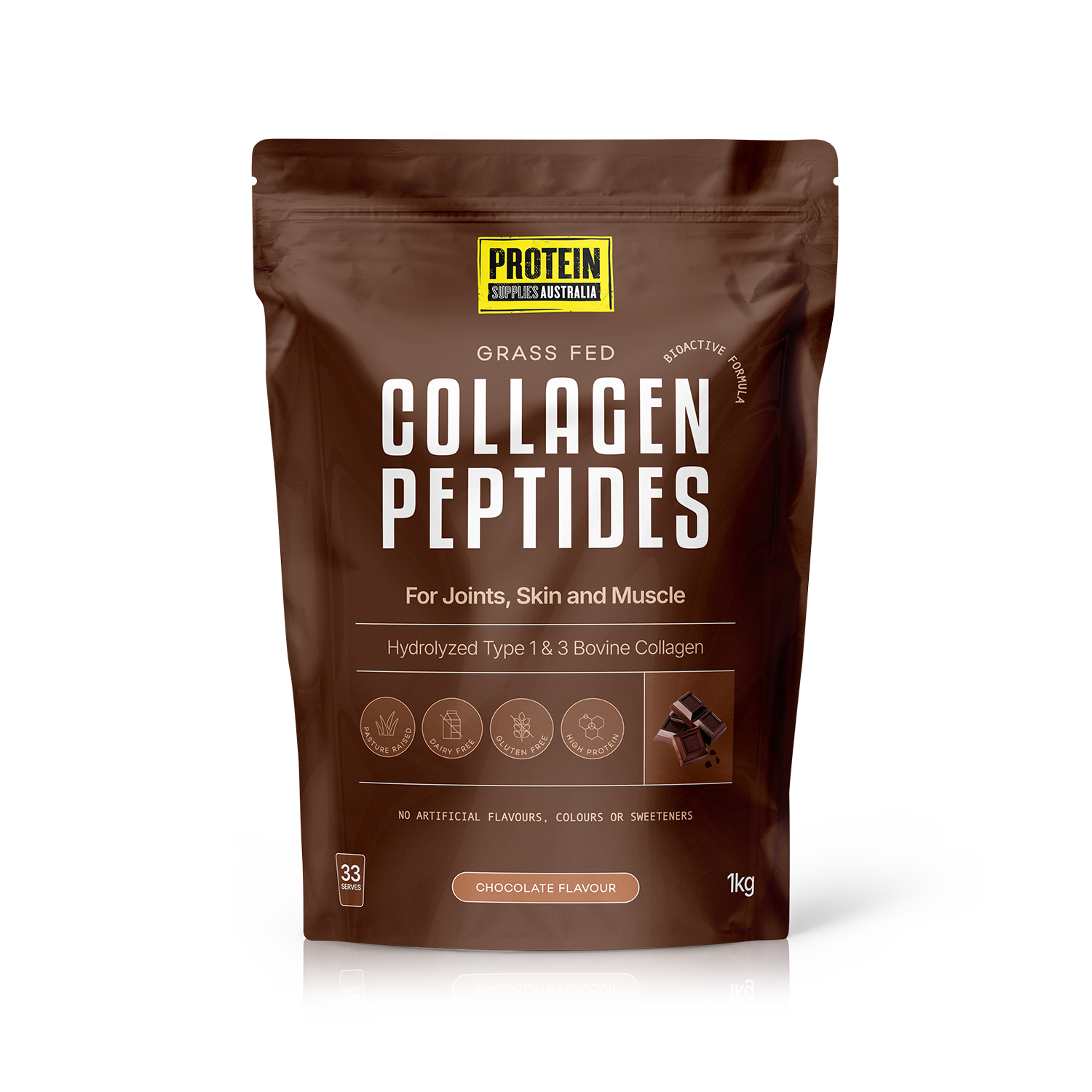
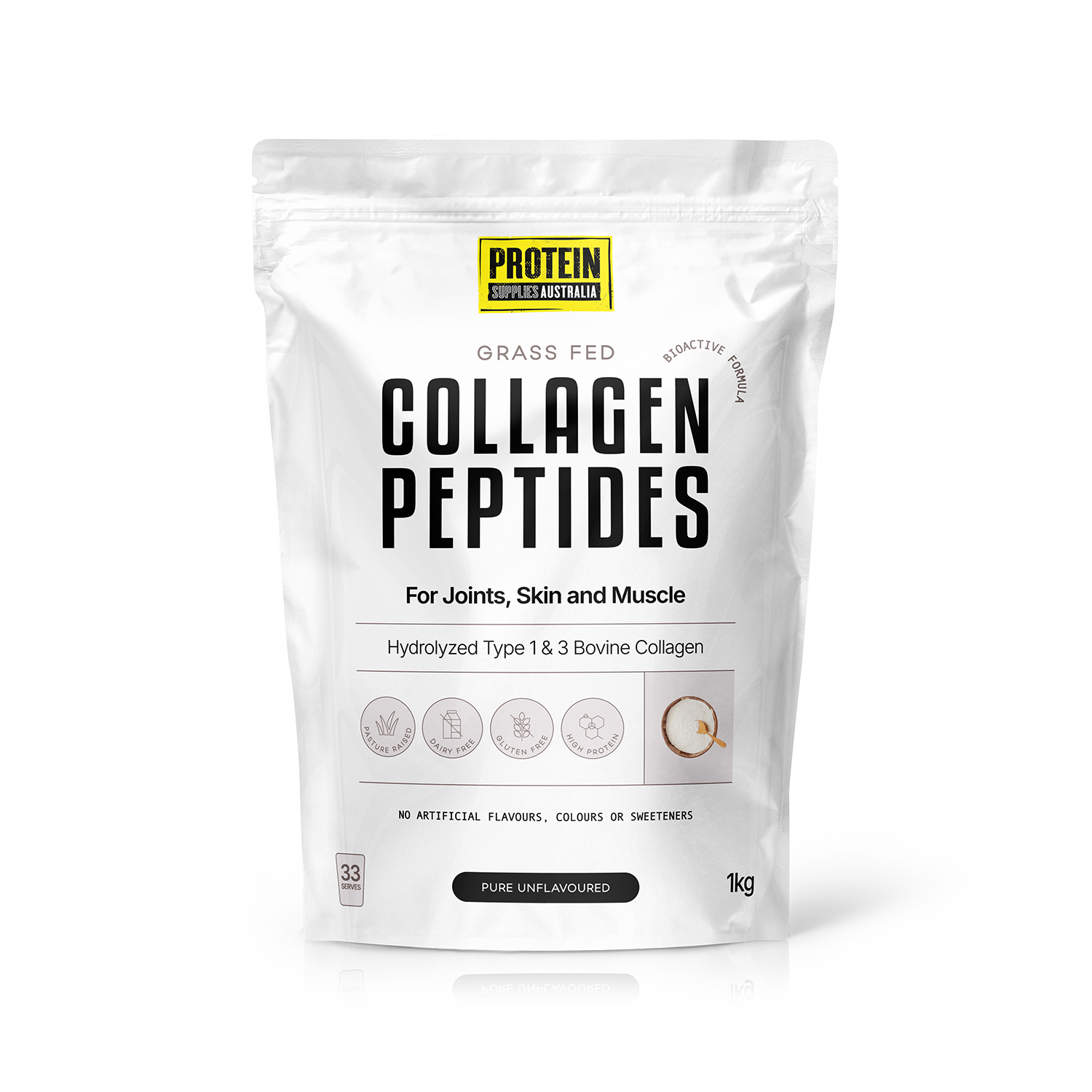
Our Collagen Peptides – Unflavoured delivers 27g of protein per serve with Type 1 & 3 collagen for joint support and recovery. Mix into coffee, smoothies, or soups.
Why add collagen?
- Supports joint health (important for heavy lifters)
- Aids muscle recovery
- Improves skin elasticity
- Versatile (hot or cold drinks)
Practical Protein Distribution Throughout the Day
Don't just hit your daily total—spread protein evenly across meals for optimal muscle protein synthesis.
Sample Daily Protein Plan (70kg person, 140g target)
| Meal | Protein Source | Protein (g) |
|---|---|---|
| Breakfast | 3 eggs + oats | 25g |
| Snack | Greek yogurt + berries | 20g |
| Lunch | Grilled chicken (150g) + rice | 35g |
| Pre-Workout | Banana + WPI shake | 25g |
| Dinner | Salmon (150g) + vegetables | 35g |
| **Total | 140g |
Pro tip: Aim for 25–40g of protein per meal to maximize muscle protein synthesis throughout the day.
Timing: When Should You Eat Protein?
Post-Workout (Most Important)
Consume 20–40g of protein within 1–2 hours after training to maximize muscle recovery. This is where a fast-absorbing protein like WPI shines.
Throughout the Day
Spread protein evenly across 3–4 meals for consistent muscle protein synthesis.
Before Bed
A slower-digesting protein (like casein or cottage cheese) can support overnight recovery.
Common Mistakes When Building Muscle with Protein
❌ Mistake 1: Too Much Protein, Not Enough Calories
Protein alone won't build muscle. You need a slight calorie surplus (200–500 calories above maintenance) to gain muscle effectively.
❌ Mistake 2: Not Training Hard Enough
Protein supports muscle growth, but resistance training triggers it. Without progressive overload (gradually increasing weight/reps), extra protein won't help.
❌ Mistake 3: Ignoring Recovery
Muscle grows during rest, not in the gym. Prioritize 7–9 hours of sleep and rest days between intense sessions.
❌ Mistake 4: Relying Only on Supplements
Supplements are convenient, but whole foods should be your foundation. Use supplements to fill gaps, not replace real food.
❌ Mistake 5: Inconsistent Protein Intake
Hitting 140g one day and 80g the next won't work. Consistency matters more than perfection.
In Summary
Building muscle requires consistent training + adequate protein + proper recovery.

- Aim for 1.6–2.2g of protein per kg of body weight daily
- Spread protein across 3–4 meals (25–40g per meal)
- Prioritize whole foods, use supplements for convenience
- Train hard, sleep well, eat consistently
- Be patient—muscle building takes time, but it's worth it
Whether you choose whole foods, whey protein, plant-based protein, or collagen peptides, the key is consistency and quality.
Useful Sources
- Protein Supplies Australia – Whey Protein Collection
- Protein Supplies Australia – Plant-Based Protein
- Protein Supplies Australia – Collagen Peptides
- Protein Supplies Australia – About Us
Ready to hit your protein goals? Explore our complete protein range and find the perfect supplement for your muscle-building journey.
Raspberry Jelly Weet-Bix Overnight Breakfast
Best Protein Powder in Australia (Comparison & Guide 2026)