
TL;DR
-
Collagen peptides contain glycine, glutamine, and proline — three amino acids directly involved in gut lining repair and barrier function.
-
The science is promising but early. Most solid evidence is from cell studies and animal models, not large human trials. One human study (20g/day for 8 weeks) showed improvement in mild digestive symptoms.
-
Most research is on isolated amino acids, not collagen peptides specifically. The gut benefits of collagen are likely driven by its amino acid content.
-
Recommended dose for gut health: 15–20g per day, taken consistently for at least 8–12 weeks.
-
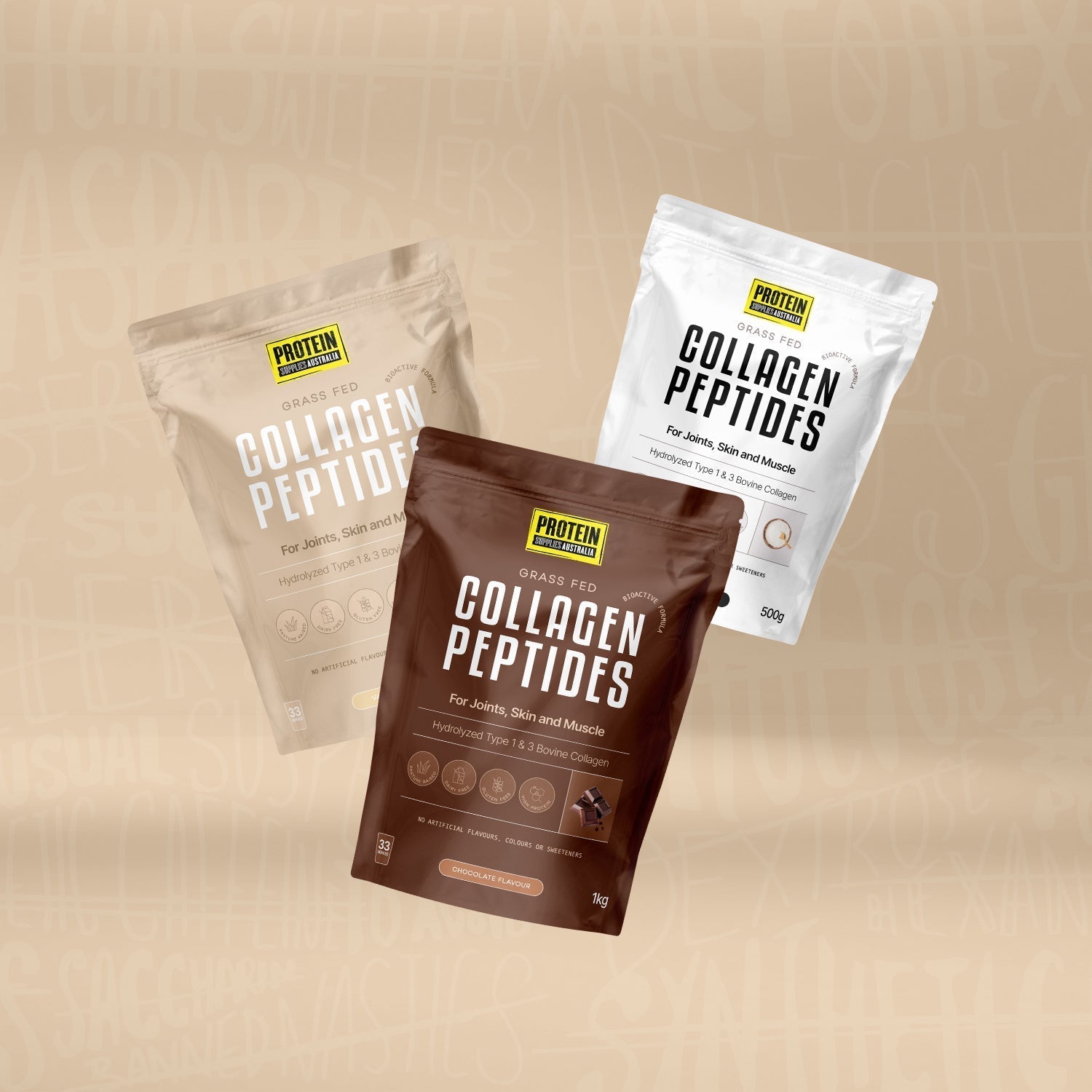
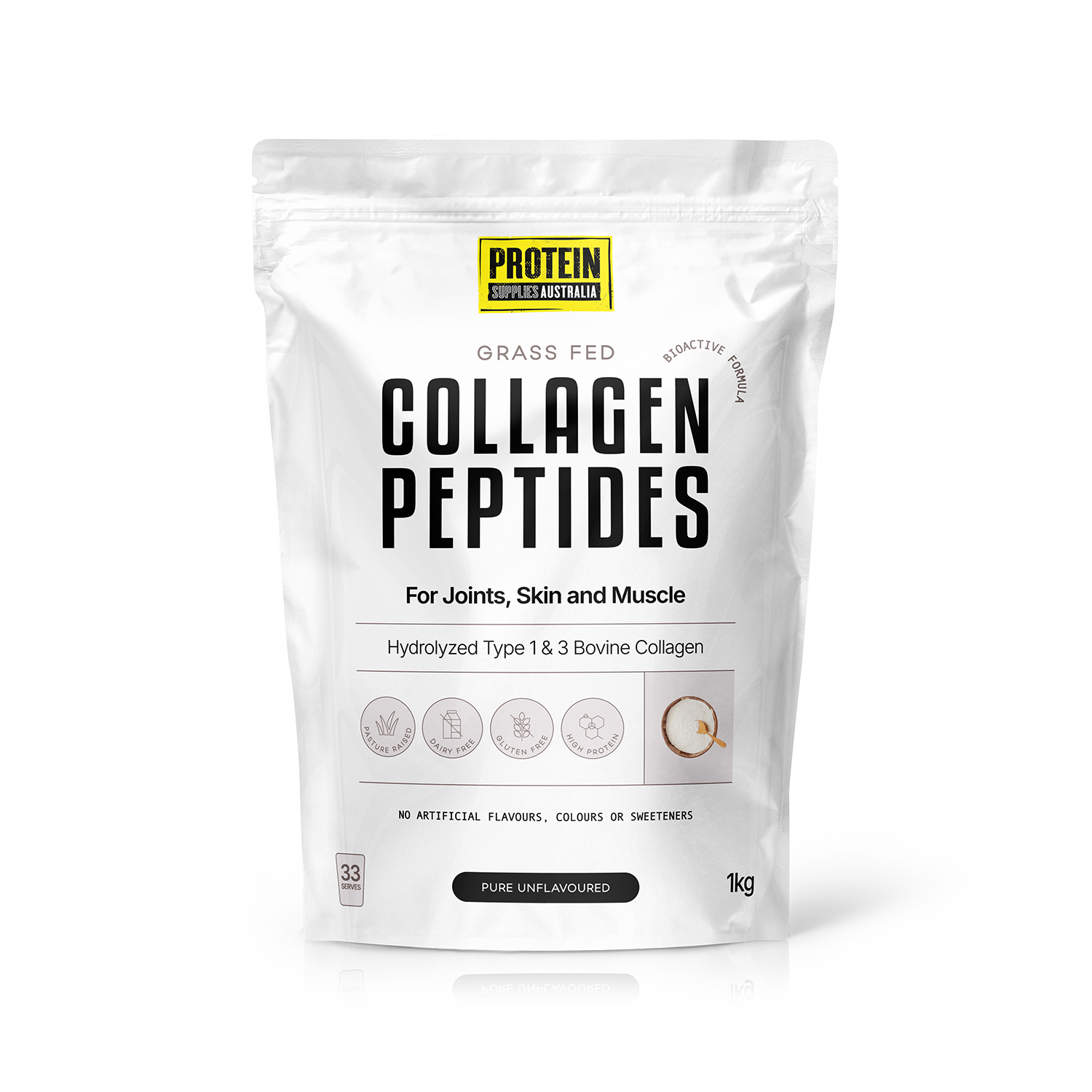
Best PSA product for gut health: Australian Collagen Unflavoured for maximum flexibility, or the Collagen Peptides Bundle

What Is the Gut Lining (and Why It Matters)?
Your gut is more than a digestive tube. It's a barrier — a single layer of cells separating your bloodstream from everything you eat, drink, and swallow.
When that barrier works properly, it lets nutrients through and keeps harmful substances out. When it's compromised, a process called dysbiosis can occur, where the gut becomes "leakier" and allows bacteria and molecules into the bloodstream that shouldn't be there. Healthdirect Australia notes this process has been linked to a range of physical and mental health problems.
The gut lining is held together by tight junction proteins — structures like claudin-1, occludin, and ZO-1 that act as the "seals" between gut cells. When these break down, intestinal permeability increases. That's the core of what people mean by "leaky gut."
How Collagen May Support Gut Health
Collagen is one of the richest dietary sources of three amino acids that matter most for gut lining integrity: glycine, glutamine, and proline.

Here's what each one does:
Glycine is collagen's most abundant amino acid. It has well-documented anti-inflammatory properties and plays a structural role in the connective tissue matrix that supports the gut wall.
Glutamine is arguably the most important. It's the primary fuel source for enterocytes (the cells lining your gut), and research shows it directly regulates tight junction proteins. Studies in intestinal cell lines found that glutamine deprivation decreased the expression of claudin-1, occludin, and ZO-1 — the key proteins that keep the gut barrier sealed. Supplementing glutamine restored those proteins. Research in IBS-D patients also found that glutamine increased claudin-1 expression in colonic tissue, with greater effects seen in those with lower baseline tight junction protein levels.
Proline provides structural support to the collagen matrix in the gut lining itself, helping maintain the physical integrity of the intestinal wall.
One important caveat: most of this research is on isolated amino acids, not collagen peptides as a whole food supplement. We're being straight with you here — the mechanisms are plausible and well-supported, but the direct evidence for collagen peptides specifically improving gut barrier function in humans is still limited.
What Does the Science Actually Say?
The honest answer: promising, but not conclusive.

The strongest human evidence comes from a 2022 study published in JMIR Formative Research. Participants took 20g of collagen peptides daily for 8 weeks. The study found improvement in mild digestive symptoms — bloating in particular. Naturopath Gabbie Watt, cited by Healthylife, notes this study was conducted on a small group of female adults only, and that "there needs to be a lot more studies before we know more."
In vitro (cell-based) research shows collagen peptides can reduce NF-κB signalling (a pro-inflammatory pathway) and increase the expression of tight junction proteins in Caco-2 intestinal cell monolayers. That's a solid mechanistic signal — but cell studies don't always translate directly to human outcomes.
A 2023 randomised controlled trial published in the European Journal of Nutrition found collagen peptides did not significantly modify exercise-induced gut permeability markers in humans. The researchers noted this was the first study of its kind, and that future studies are warranted.
Animal studies have also shown collagen peptides may influence gut microbiota composition — but again, animal data doesn't automatically apply to humans.
PSA's take: The research is promising, not conclusive. What we know for sure: collagen is one of the richest natural sources of gut-supportive amino acids. If you're already taking collagen for skin health or joint support, your gut is likely benefiting too — even if we can't put exact numbers on it yet.
PSA's Collagen: Natural Glutamine and Glycine Content
PSA's grass-fed bovine collagen naturally contains both glutamine and glycine as part of its peptide structure. You're not getting synthetic amino acids added to a base product, you're getting them in the form they occur in food, bound within hydrolysed collagen peptides.
Why does that matter? Hydrolysed collagen peptides are absorbed differently to free-form amino acids. The peptide bonds allow for efficient uptake through the gut mucosa, and the amino acids arrive in a form the body recognises from whole food sources. Naturopath Gabbie Watt recommends hydrolysed collagen specifically because "it's better absorbed by the gut" compared to non-hydrolysed forms.
How to Use PSA Collagen for Gut Health
Dose: 15–20g per day. This aligns with the dose used in the most cited human study on collagen and digestive symptoms.
Timing: Morning on an empty stomach is a popular choice, as there's less competition from other dietary proteins for absorption. With meals also works fine.
How to take it: Mix into warm water, a smoothie, or black coffee. PSA's unflavoured collagen dissolves easily and doesn't affect taste.
Consistency matters most. Don't expect results in a week. Allow 8–12 weeks minimum before assessing whether it's working for you.
Stack suggestion: Combine collagen with a quality probiotic and prebiotic fibre (think oats, leeks, garlic, or a fibre supplement). Collagen provides the structural amino acids; probiotics and prebiotics support the microbial environment. They work on different mechanisms and complement each other well.

Which PSA Collagen Is Best for Gut Health?
|
Product |
Best For |
|---|---|
|
Maximum dose flexibility, no additives, mixes into anything |
|
|
Pure peptides, easy to add to any drink or meal |
|
|
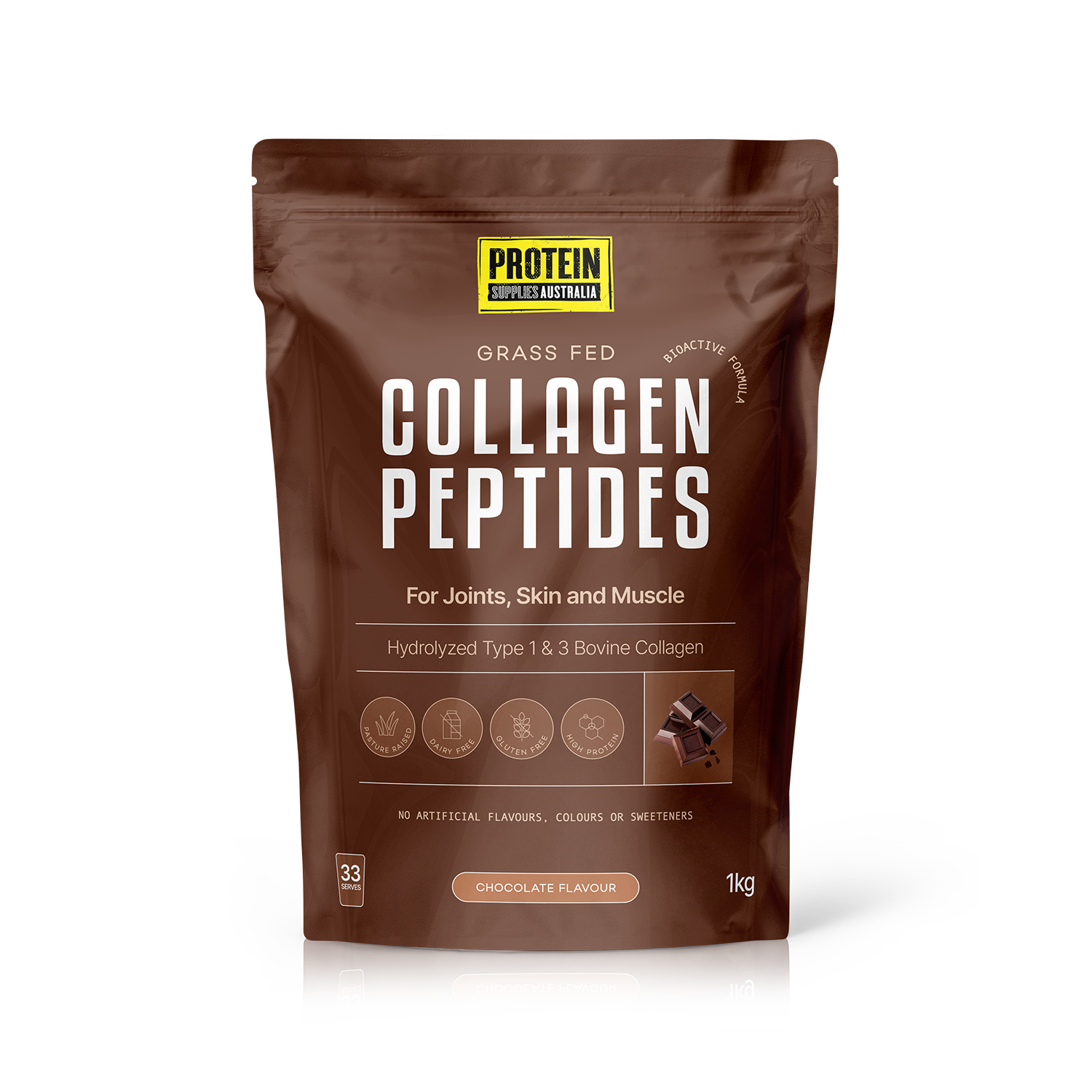
Flavoured option that actually tastes good |
|
|
Trying different options before committing to a full bag |
|
|
Long-term gut health support, best value per serve |
For gut health specifically, we'd point most people toward the Australian Collagen Unflavoured or the Collagen Peptides Bundle. Both give you a clean, high-dose product you can take daily without flavour fatigue.
Browse the full PSA Collagen Peptides range here.


Collagen for Joints: Does It Actually Help?
Collagen for Hair and Nails: Does It Actually Make a Difference?