

TL;DR
-
Marine collagen is Type I collagen sourced from fish - the same type that makes up roughly 80% of your skin's collagen content.
-
Clinical evidence is real but modest: VERISOL® F trials show statistically significant improvements in skin elasticity at 8 weeks and measurable wrinkle reduction at 2.5 g/day.
-
Realistic timeline: 8–12 weeks for visible results - not days, not a fortnight.
-
Best results at 2.5–5 g/day, taken consistently, paired with vitamin C.
-
PSA Marine Collagen Peptides uses VERISOL® F - a single-ingredient, clinically validated hydrolysed marine collagen with no fillers, no flavours, and no additives.
What Is Marine Collagen?
Marine collagen comes from the skin, scales, and bones of wild-caught fish - parts that would otherwise go to waste. It's a by-product of the fishing industry, which makes it a relatively sustainable collagen source.

The raw collagen is broken down through a process called hydrolysis, producing hydrolysed marine collagen peptides - short amino acid chains with a low molecular weight (around 500 Da). That small size matters for absorption, which we'll get to shortly.
Marine collagen is exclusively Type I collagen. Bovine collagen contains both Type I and Type III. For skin specifically, that distinction is worth understanding - because Type I is the dominant structural protein in skin tissue.
PSA uses VERISOL® F, a patented fish collagen peptide developed by GELITA, one of the world's leading collagen research companies. It's not a generic marine collagen - it's a specific, clinically studied ingredient with its own published trial data.
Why Type I Collagen Matters for Skin
Type I collagen accounts for approximately 80% of the collagen in your skin. It forms the dense fibrous network in the dermis that gives skin its firmness, structure, and ability to bounce back - what we call collagen for skin elasticity.
From your mid-20s onwards, your body produces roughly 1–1.5% less collagen per year. It's gradual, but cumulative. By your mid-40s, that's a meaningful structural loss - and it shows up as thinner skin, reduced firmness, and fine lines.

The argument for supplementing with marine collagen peptides rests on two things:
First, the peptide size. At ~500 Da, hydrolysed marine collagen peptides are small enough to pass through the intestinal wall into the bloodstream - unlike intact collagen molecules, which are far too large to absorb.
Second, the signalling effect. Once absorbed, specific dipeptides (particularly Pro-Hyp and Hyp-Gly) appear to stimulate fibroblasts - the cells in your dermis responsible for producing new collagen. The theory is that your body reads these peptides as a signal that collagen is breaking down and ramps up synthesis in response.
What Does the Science Actually Say?
Let's be direct: the evidence for marine collagen benefits for skin is promising, but it's not bulletproof. Here's what the trials actually show.
The VERISOL® F Evidence
Proksch et al. (2014, Skin Pharmacology and Physiology, PMID 24401291) - a double-blind, placebo-controlled RCT in 114 women aged 45–65. Participants took 2.5 g/day of VERISOL® F for 8 weeks. Results: statistically significant reduction in eye wrinkle volume, alongside increased procollagen Type I and elastin markers in the dermis.
Proksch et al. (2014, Skin Pharmacology and Physiology, PMID 23949208) - a separate double-blind RCT in 69 women aged 35–55, taking either 2.5 g or 5 g of collagen peptides daily for 8 weeks. Skin elasticity improved significantly in both dosage groups versus placebo. The effect was most pronounced in older women at the 4-week follow-up after treatment ended.
Hexsel et al. (2017, Journal of Cosmetic Dermatology, PMID 28786550) - 25 participants taking 2.5 g/day for 24 weeks. Nail growth rate increased 12%, broken nail frequency dropped 42%, and 88% of participants reported improvement even 4 weeks after stopping. Nails and skin share the same structural proteins, so this data is relevant for skin health outcomes too.
A 2024 review in Frontiers in Nutrition confirmed that hydrolysed collagen peptides are absorbed in peptide-bound form (not just broken down to individual amino acids), with Pro-Hyp and Hyp-Gly detectable in the bloodstream after ingestion - supporting the biological plausibility of the skin benefits observed in trials.

The Honest Caveat
Most of the strongest trials are industry-funded - often by GELITA, the manufacturer of VERISOL® F. That doesn't automatically invalidate the findings, but it does mean independent replication is limited. A 2024 meta-analysis noted that while collagen supplements show consistent improvements in hydration, elasticity, and wrinkles across studies, the overall quality of evidence is moderate.
"But Doesn't Your Stomach Just Break It Down?"
This is a fair question - and it's the most common sceptical pushback you'll see. The short answer: not entirely. Your gut does digest collagen peptides, but a meaningful fraction is absorbed as intact di- and tripeptides via PepT1 transporters in the small intestine. These circulate in the bloodstream and have been detected in skin tissue in animal studies. The mechanism is biologically plausible. It's not magic - it's amino acid delivery with a signalling effect.
Marine Collagen Before and After - What to Realistically Expect
"Before and after" photos are everywhere in the collagen space. Some are genuine. Many are lighting changes. Here's a more honest breakdown of what the clinical data suggests, week by week.
|
Timeframe |
What's Happening |
What You Might Notice |
|---|---|---|
|
Weeks 1–4 |
Peptides accumulating in tissue; no visible changes |
Nothing yet - this is normal |
|
Weeks 4–8 |
Improved collagen for skin hydration; reduced dryness |
Skin feels less tight, more supple |
|
Weeks 8–12 |
Measurable improvements in elasticity; fine lines soften |
Visible difference in skin texture and firmness |
|
Week 12+ |
Continued improvement; nail strength, hair texture |
Nails less brittle; overall skin quality |
Results vary - and they vary a lot. Your outcomes will depend on:
-
Age - the older you are, the more room for improvement, but also the slower the response
-
Sun exposure history - UV damage accelerates collagen breakdown; SPF is non-negotiable alongside any supplement
-
Diet and vitamin C intake - vitamin C is a direct cofactor for collagen synthesis; without it, results are blunted
-
Sleep and stress - cortisol degrades collagen; poor sleep undermines skin repair
-
Consistency - missing days regularly will slow results significantly
Before-and-after photos can show genuine improvements in skin texture and fine lines. What they don't show is the full picture: skincare routine, lighting, hydration, sleep, and whether the person was using other actives like retinol concurrently.
How to Take Marine Collagen for Skin Results

Marine Collagen Dosage for Skin
The minimum effective dose in the VERISOL® F trials is 2.5 g/day. That's the dose used in both Proksch 2014 studies. Some people prefer 5 g/day - the higher end used in one of the trials - particularly if they're over 40 or have significant skin concerns.
There's no strong evidence that going above 5 g/day produces meaningfully better skin outcomes.
Timing
Timing matters less than consistency. Morning, evening, with food or without - the research doesn't show a clear winner. Pick a time you'll actually stick to.
Pair With Vitamin C
This one's important. Vitamin C is a required cofactor for the enzymes that synthesise collagen in your body. Without adequate vitamin C, your fibroblasts can't build new collagen efficiently - even if you're flooding them with the right peptides. A small serve of citrus, berries, or a vitamin C supplement alongside your marine collagen is a simple, evidence-backed pairing. Better Health Channel confirms that vitamin C is essential for collagen formation in skin tissue.
How to Mix It
VERISOL® F dissolves clear in both hot and cold liquids - no fish taste, no smell, no grittiness. Stir it into:
-
Water (plain or sparkling)
-
Coffee or tea
-
Smoothies
-
Yoghurt or overnight oats
One thing to be aware of: very high-tannin drinks like black tea or red wine consumed at the same time may slightly reduce mineral absorption. It's not a major concern, but if you're taking your collagen with your morning tea, swapping to water occasionally is a reasonable choice.
Marine Collagen vs Other Collagen Types for Skin
Marine (Type I) vs Bovine (Type I + III)
For pure skin outcomes, marine collagen is the more targeted option. It delivers Type I collagen peptides - the dominant type in skin - without Type III, which is more relevant for gut lining and connective tissue. If skin is your primary goal, marine is the logical choice. If you want broader connective tissue support (joints, gut, tendons), bovine may be worth considering.

We've covered this comparison in detail - including which is better for your specific goals - in our article Marine Collagen vs Bovine Collagen: Which Is Right for You?
Marine Collagen vs Topical Collagen Creams
Topical collagen creams don't work for collagen replenishment. Full stop. Collagen molecules are far too large (~300,000 Da) to penetrate the skin barrier. What topical creams can do is moisturise the surface and temporarily plump the appearance of fine lines - but they're not rebuilding your dermis. Oral marine collagen peptides, at ~500 Da, are absorbed systemically and reach the dermis via the bloodstream. That's a fundamentally different mechanism.
Who Should (and Shouldn't) Take Marine Collagen for Skin
A Good Fit If You Are…
-
Women aged 25–45 focused on collagen for skin elasticity and hydration as a preventive or corrective measure
-
Pescatarians or those avoiding bovine products - marine collagen is fish-derived, not beef
-
Dairy-free or soy-free - VERISOL® F is free from both
-
Someone who wants a single-ingredient supplement - no proprietary blends, no hidden fillers, no "collagen complex" with unclear dosing
Not the Right Fit If You…
-
Have a fish or shellfish allergy - marine collagen is fish-derived; bovine collagen is the safer alternative
-
Are vegan or vegetarian - there is no plant-based collagen equivalent with the same clinical evidence base. Vitamin C, zinc, and glycine-rich foods can support endogenous collagen production, but they're not a direct substitute
-
Expect results in a week - if you're not prepared to commit to 8–12 weeks, the evidence suggests you won't see the benefits the trials measured
PSA Marine Collagen Peptides - Why VERISOL® F?
Not all marine collagen is the same. Generic fish collagen powders vary significantly in peptide size, source quality, and whether they've been tested in humans at a specific dose.
VERISOL® F is different because it's been clinically studied at exactly 2.5 g/day - the dose you'd actually take. The trials aren't on a vaguely similar ingredient; they're on this specific patented peptide blend, at this specific dose, in double-blind RCTs.
Here's what makes PSA Marine Collagen Peptides worth considering:
-
Single ingredient: VERISOL® F only - no fillers, no flavours, no additives
-
Clinically validated: the lowest effective dose in the published literature (2.5 g/day)
-
Allergen-free: gluten-free, dairy-free, soy-free, nut-free, GMO-free
-
Mixes clear: dissolves completely in hot or cold liquid with no fish taste or smell
-
Transparent labelling: you know exactly what you're getting and how much
The marine collagen benefits you're reading about in the research - improved skin elasticity, reduced wrinkle volume, better hydration - are tied to this specific ingredient. That's the point of using a patented, clinically studied form rather than a commodity powder.
Useful Sources
-
Proksch E, et al. (2014). Oral supplementation of specific collagen peptides has beneficial effects on human skin physiology: a double-blind, placebo-controlled study. Skin Pharmacology and Physiology. PubMed PMID 23949208
-
Proksch E, et al. (2014). Oral intake of specific bioactive collagen peptides reduces skin wrinkles and increases dermal matrix synthesis. Skin Pharmacology and Physiology. PubMed PMID 24401291
-
Hexsel D, et al. (2017). Oral supplementation with specific bioactive collagen peptides improves nail growth and reduces symptoms of brittle nails. Journal of Cosmetic Dermatology. PubMed PMID 28786550
-
Frontiers in Nutrition (2024). Bioavailability and absorption of hydrolysed collagen peptides. frontiersin.org
-
León-López A, et al. (2019). Hydrolyzed Collagen - Sources and Applications. Molecules. PubMed PMID 31703345
-
Healthdirect Australia. Skin - how ageing affects your skin. healthdirect.gov.au/skin
-
Better Health Channel. Healthy ageing - the skin. betterhealth.vic.gov.au
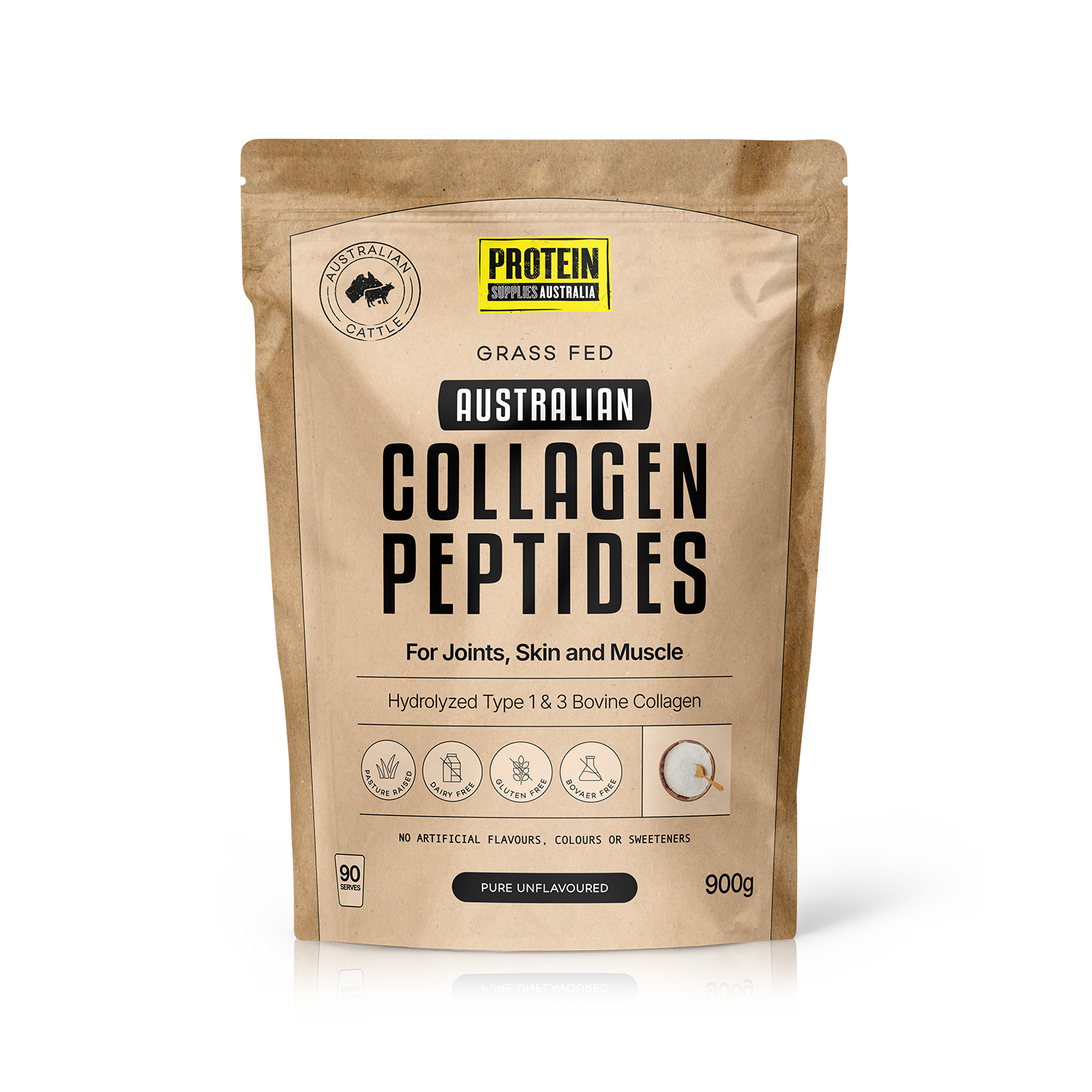
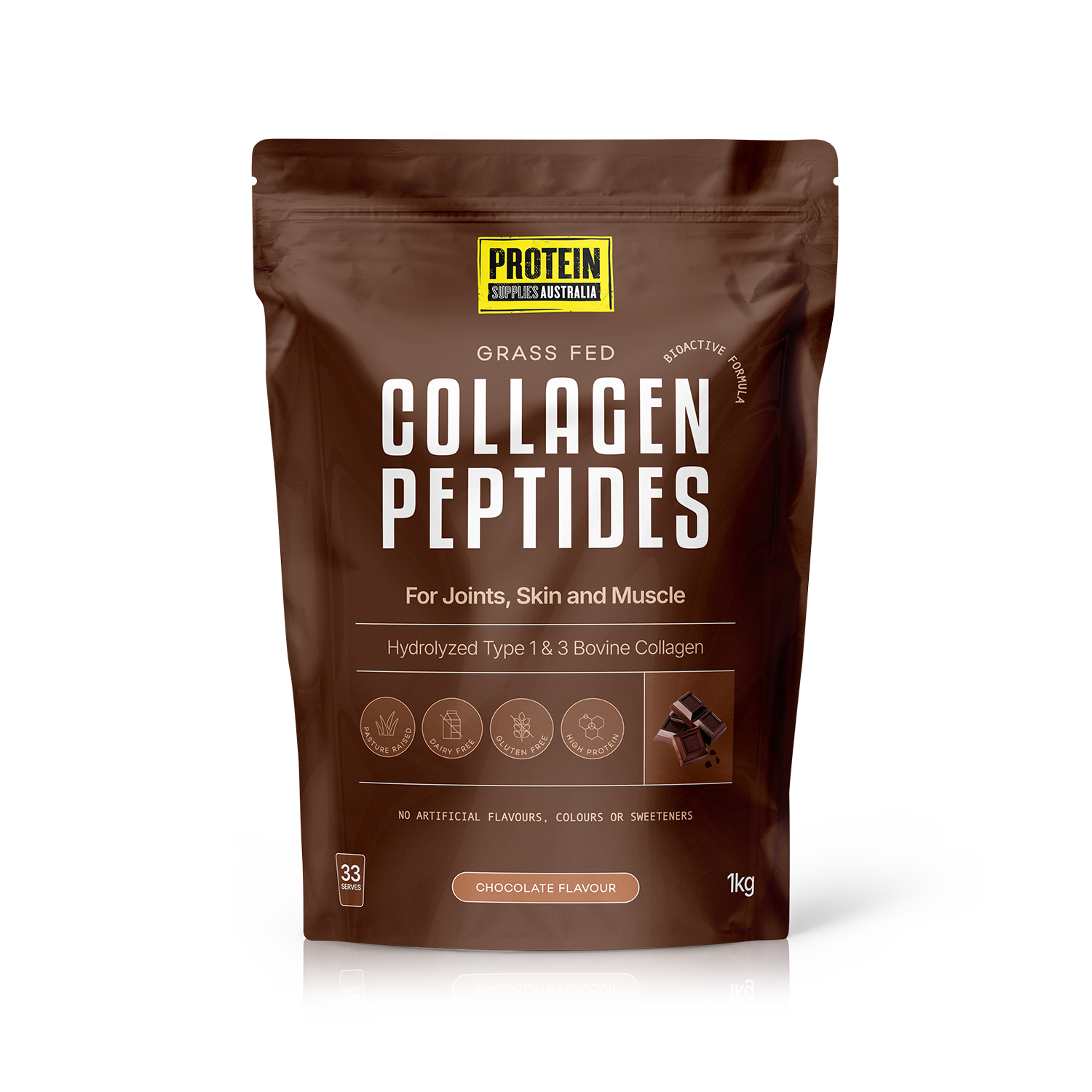

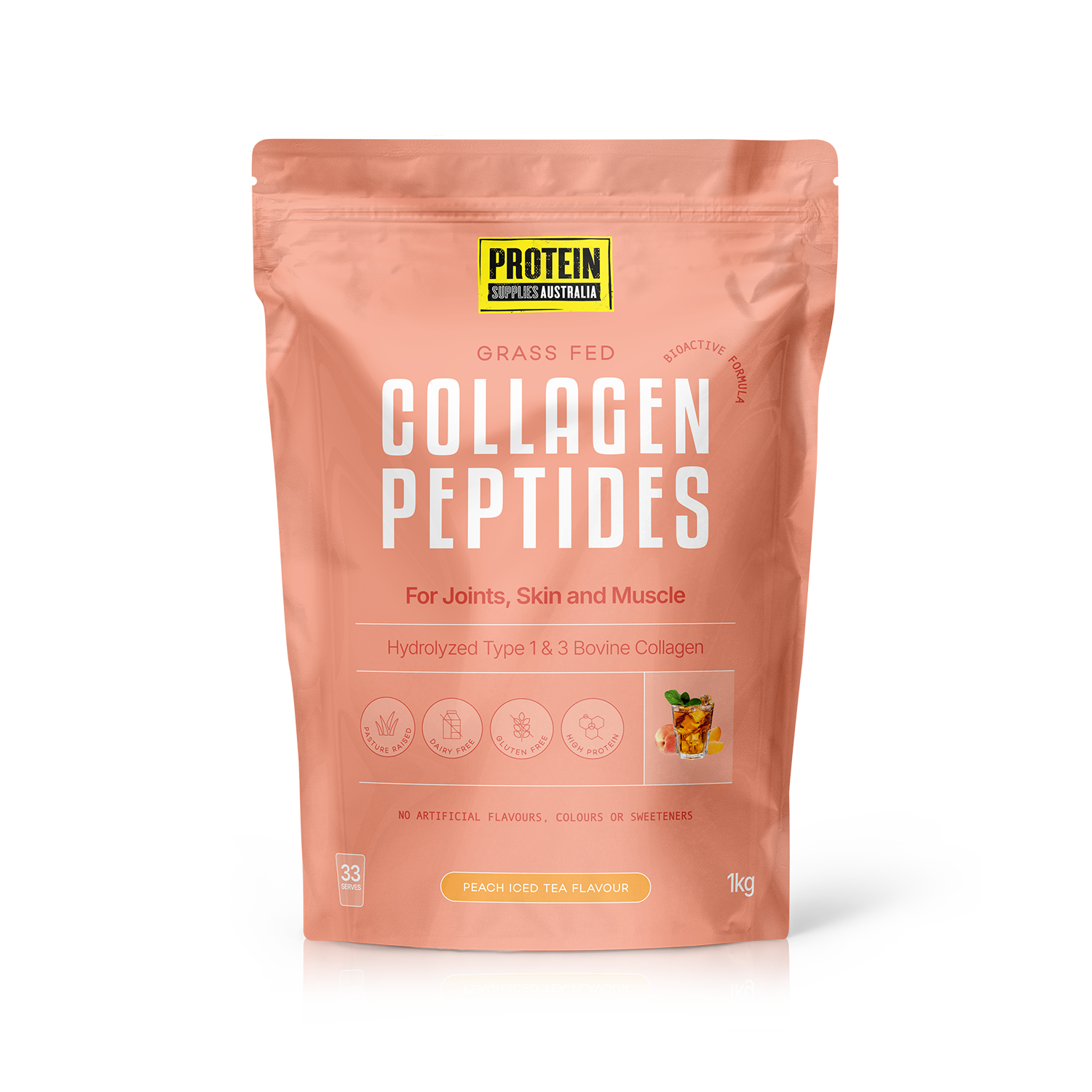
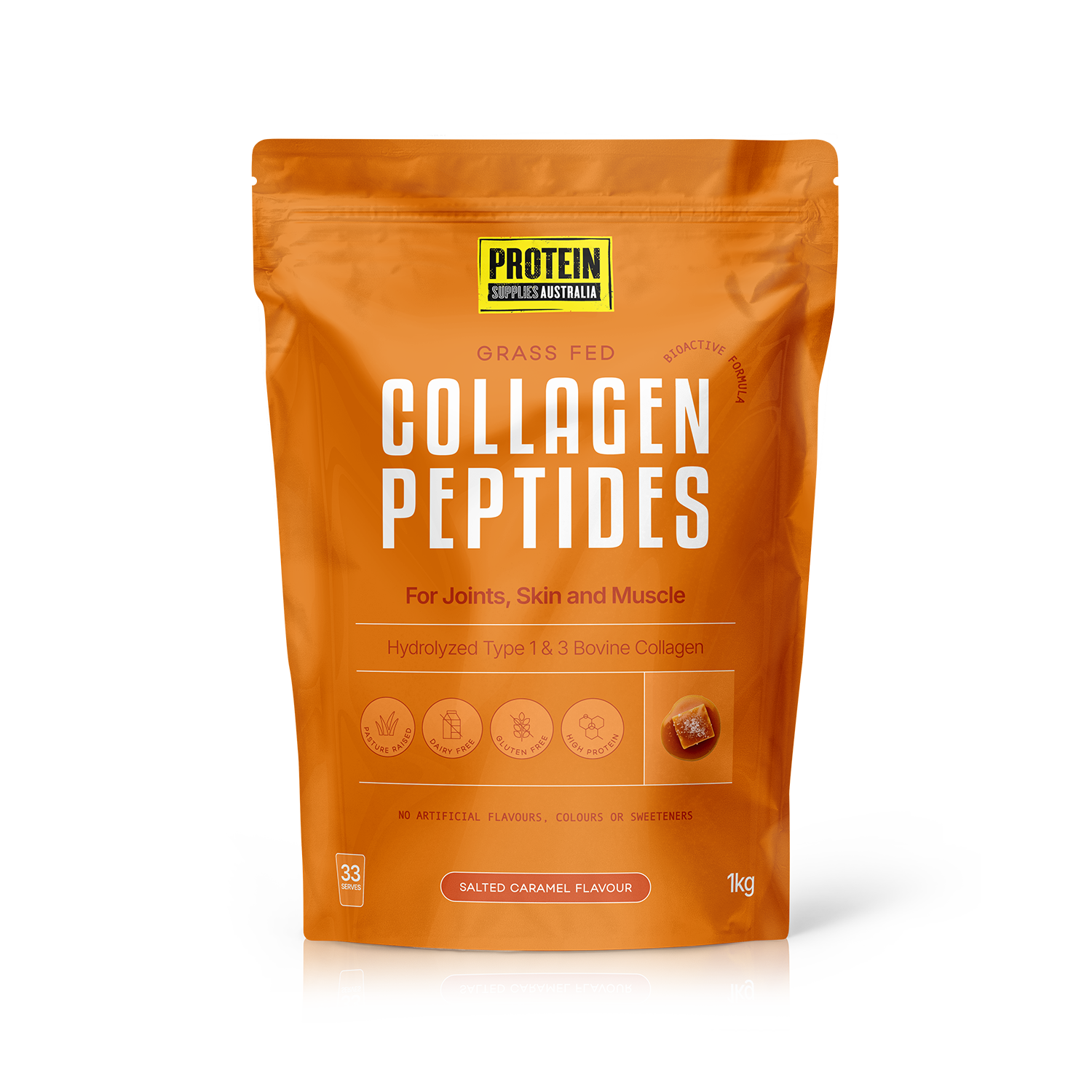
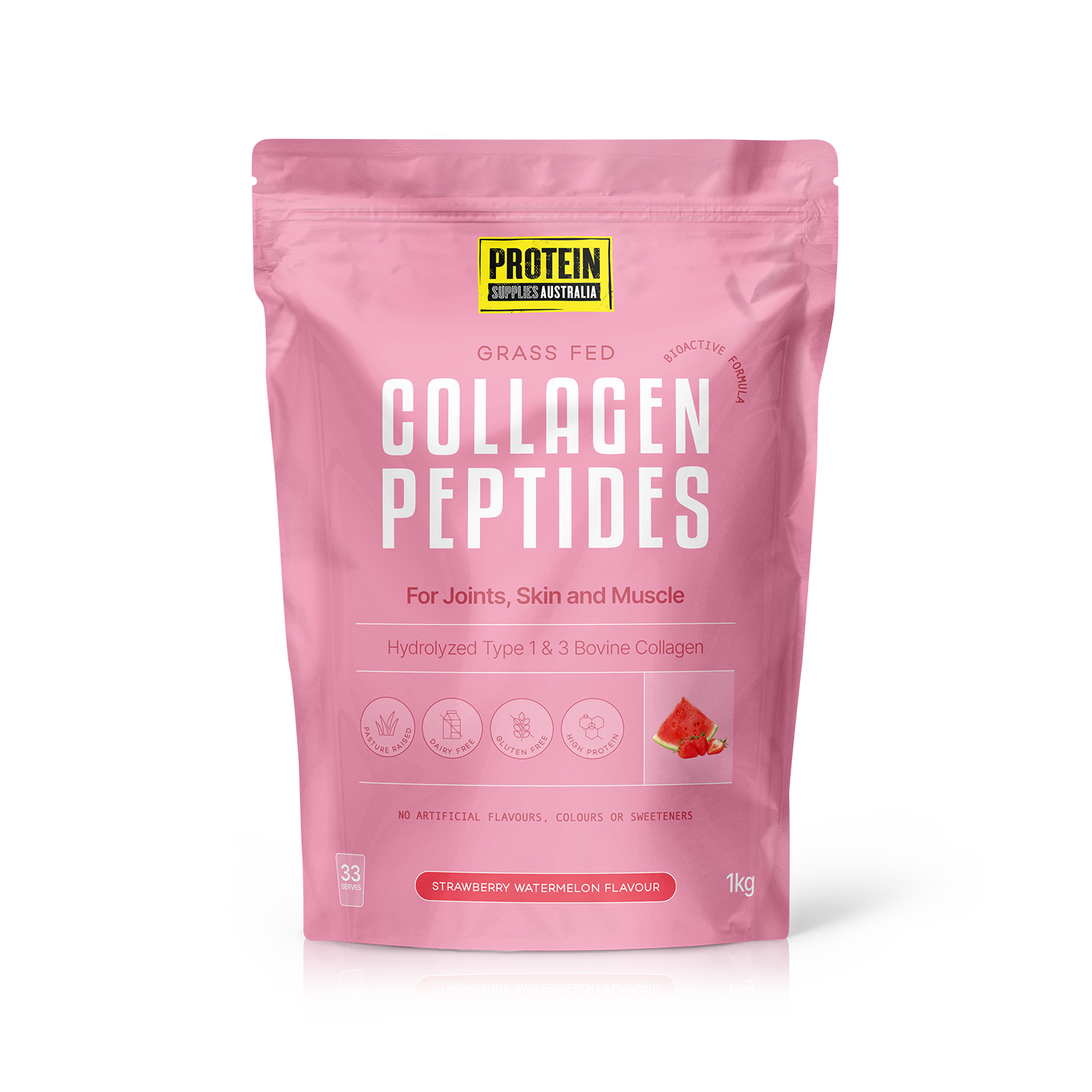
Marine Collagen vs Bovine Collagen: Which Is Right for You?
Marine Collagen: Complete Guide to Benefits, Dosage & How to Use It